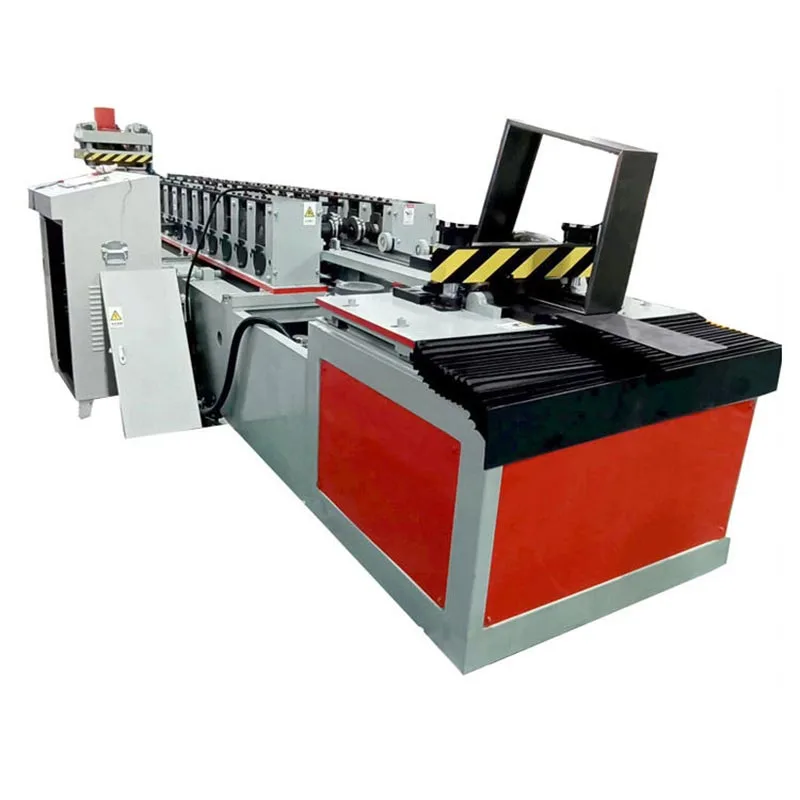
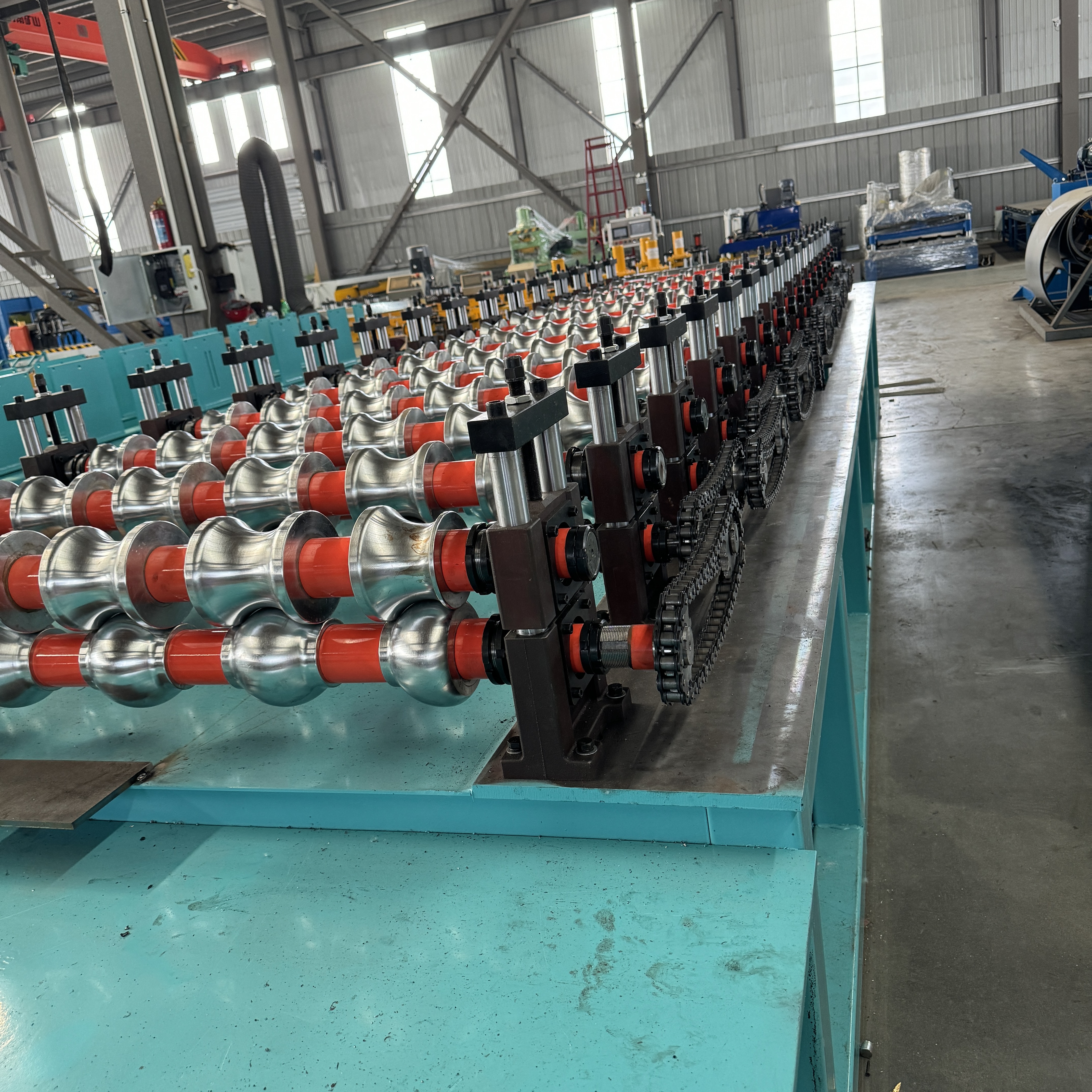
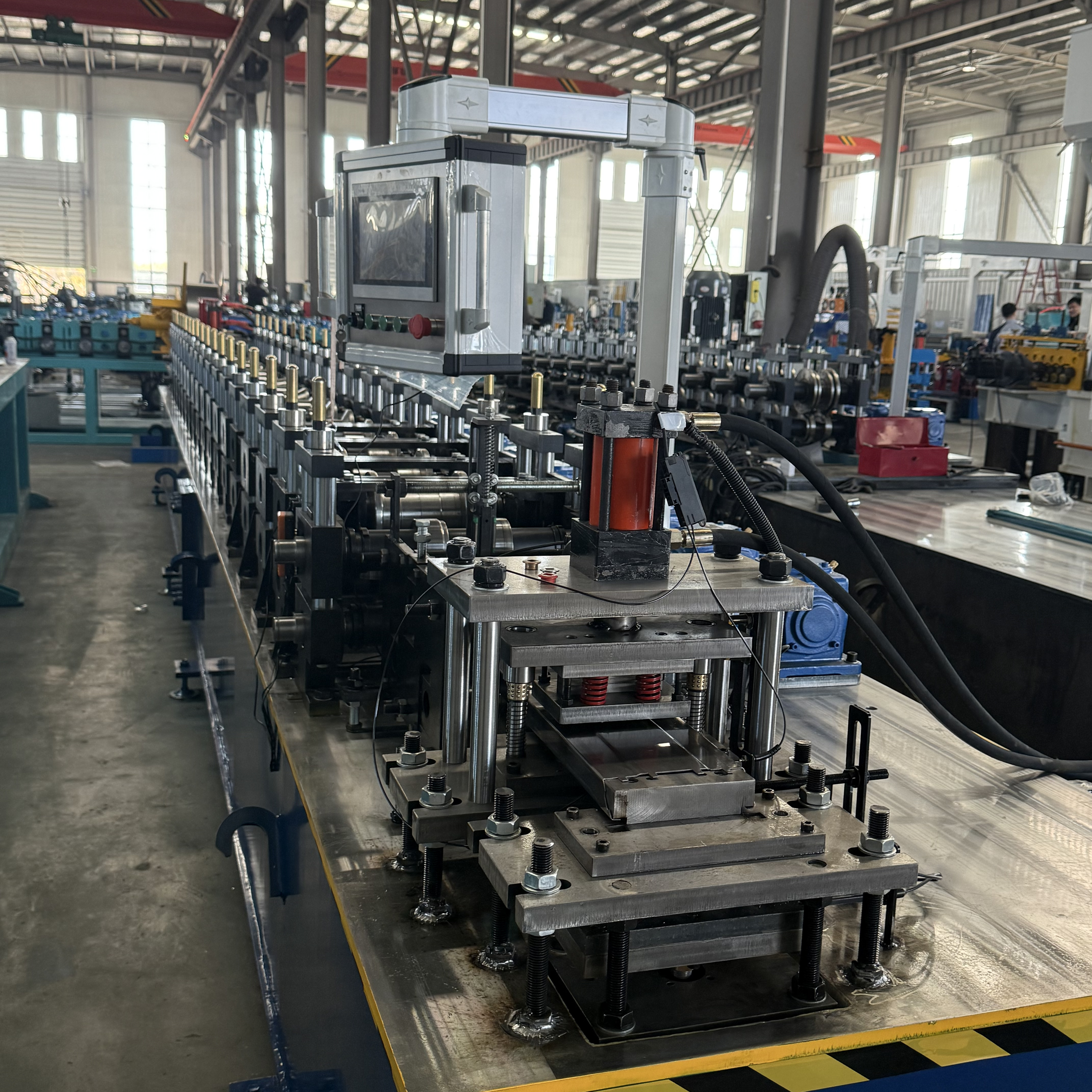
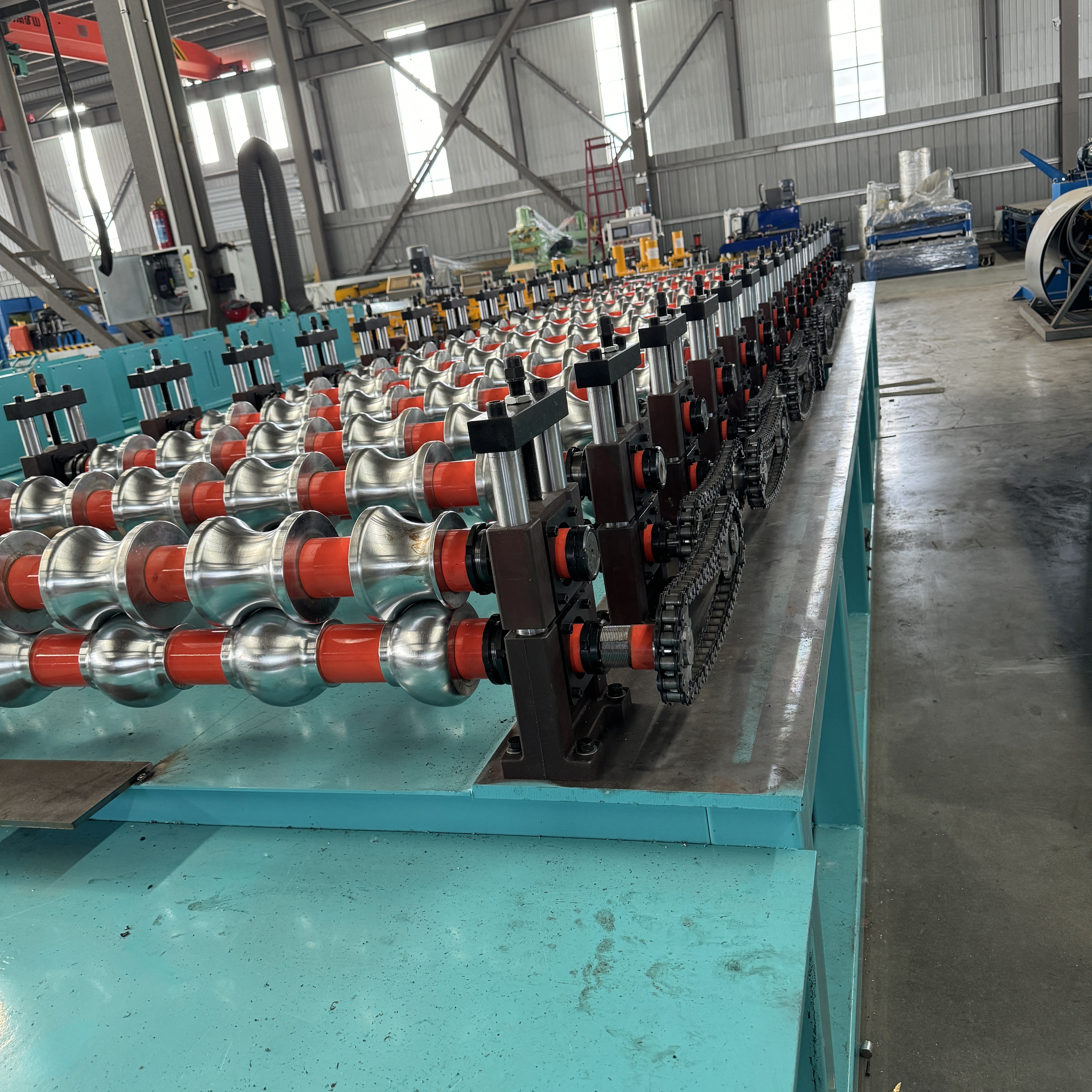
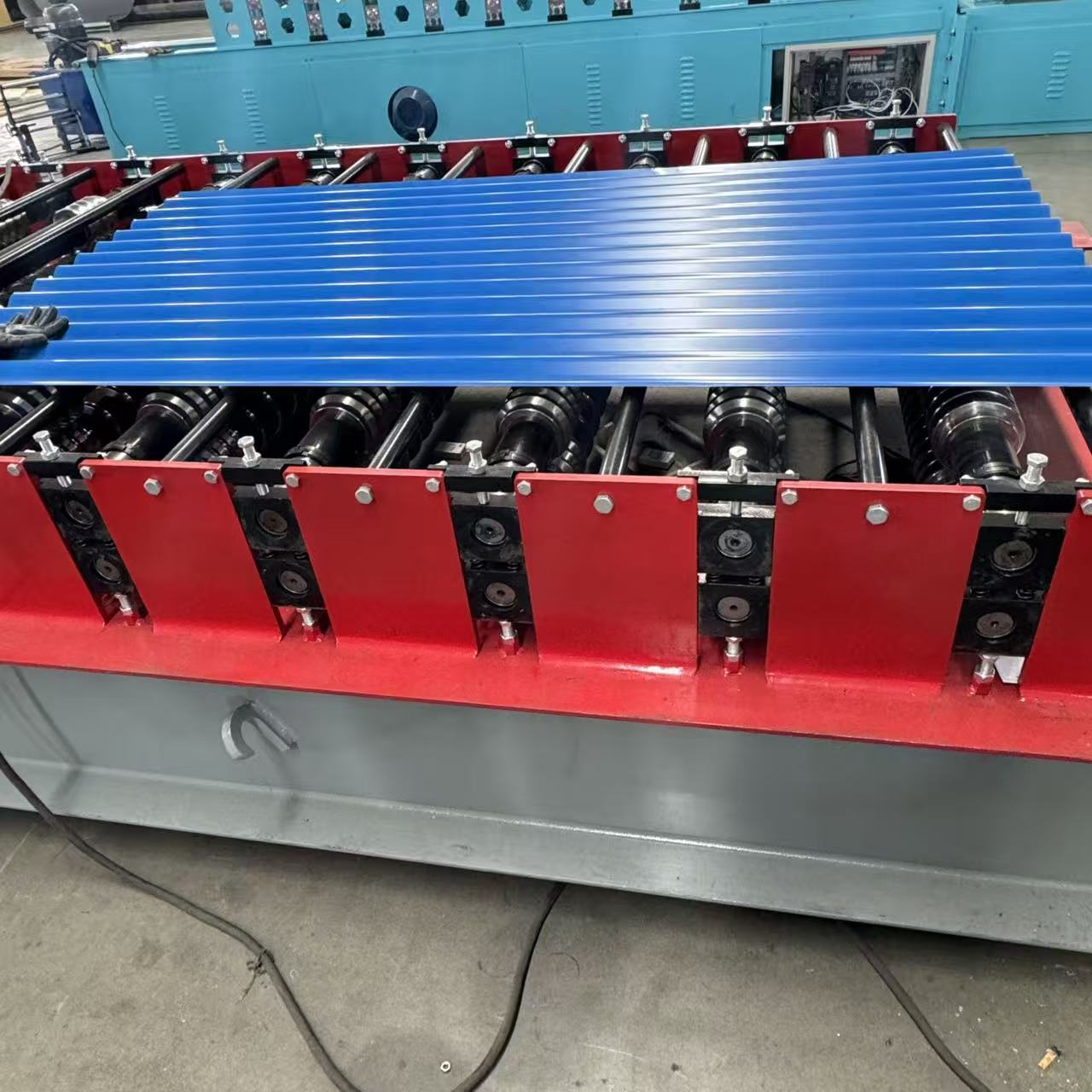
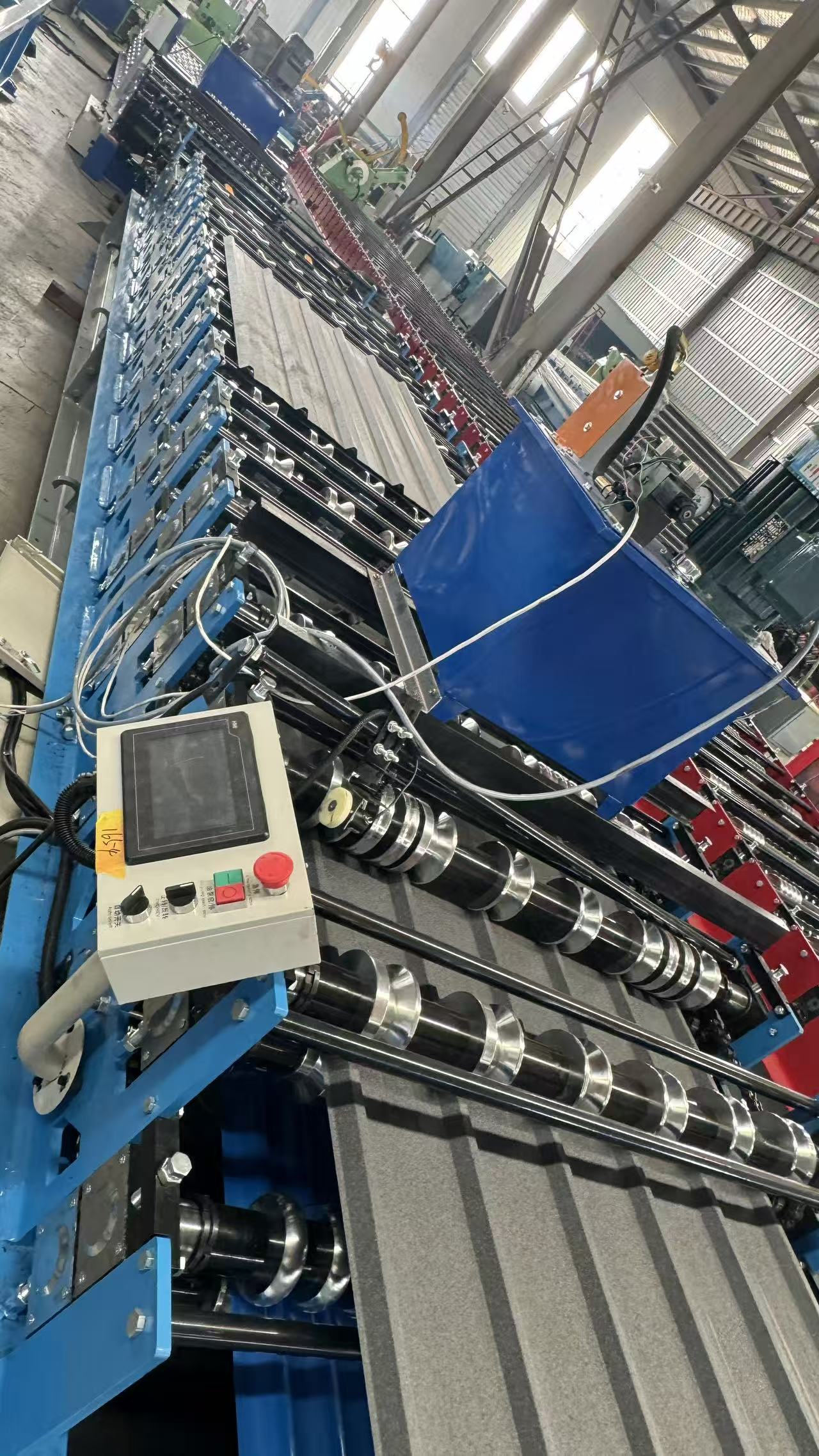
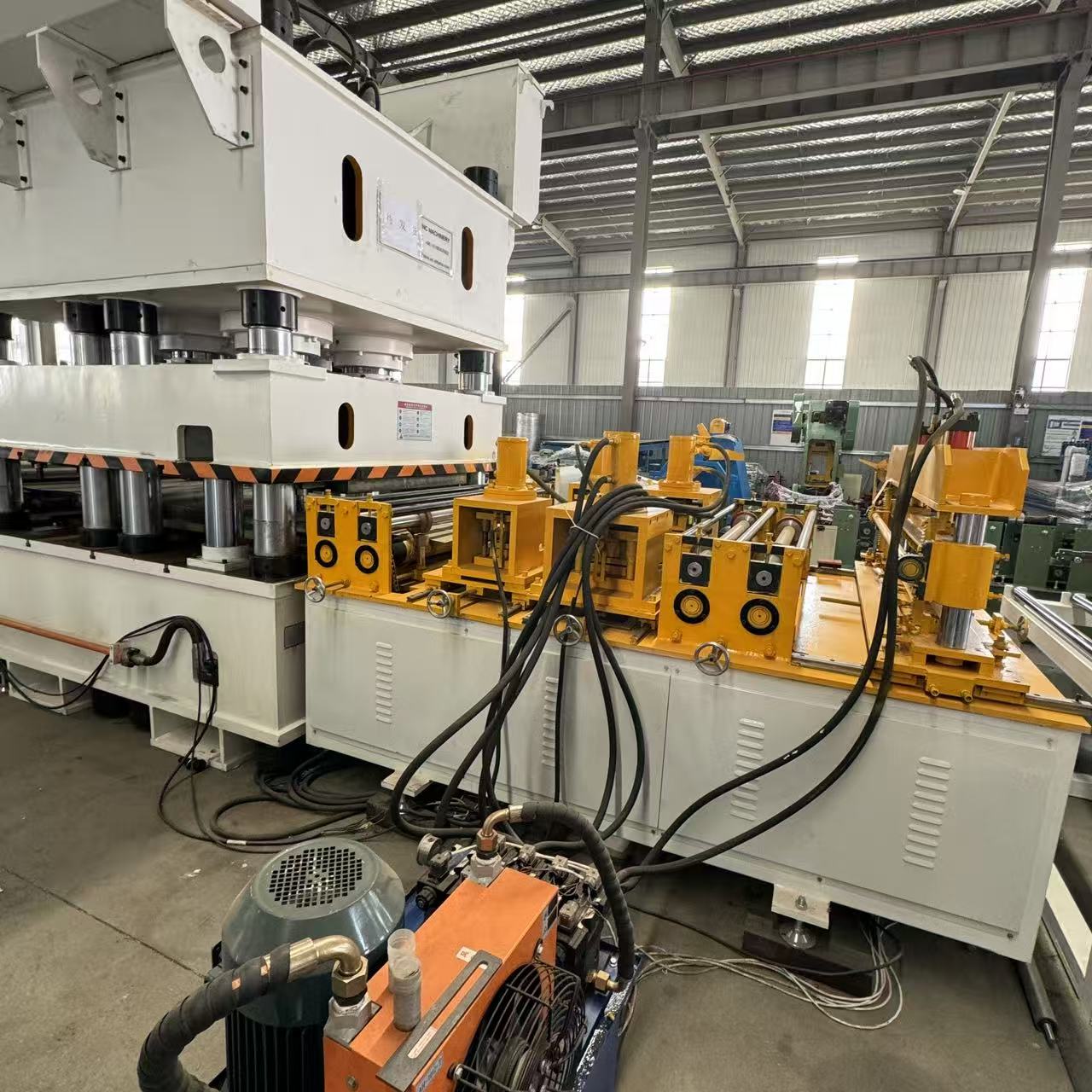
A Triangular Light Steel Framing Machine produced by Parfu International Trading Co., Ltd. is a specialized industrial machine. It is part of the roll forming equipment family. Its purpose is to produce triangular-shaped steel frames continuously. These frames are commonly known as battens or furring channels.
The Triangular Light Steel Framing Machine transforms flat coils of galvanized steel into precise, high-strength
triangular profiles. This process is fast, efficient, and highly automated. The output product is a critical
component in modern construction. It is especially vital for suspended ceiling systems and drywall partitioning.
This Machine is a cornerstone of modern, lightweight construction. It replaces
traditional materials like wood. It offers superior consistency, strength, and durability.
Detailed Description
At its core, the Triangular Light Steel Framing Machine is a roll forming system. It consists of several key
stations working in sequence. A coil of steel is fed into the machine. A series of powered rollers then gradually
shape the metal. The rollers bend the steel step-by-step until it forms a perfect, closed triangular profile.
Using a cold-forming process that requires neither heat nor welding, the machine produces a continuous,
high-strength triangular beam with a uniform profile. Its capability to be tailored to various sizes and
specifications makes it exceptionally versatile.
Key Components of the Machine
Uncoiler / Decoiler:This unit holds and unwinds a large coil of raw steel, feeding it smoothly into the machine. An
integrated braking system maintains regulated tension throughout the unwinding process.
Entry Guide: This section ensures the steel strip is correctly aligned as it enters the forming stations so that a
consistent final product can be achieved.
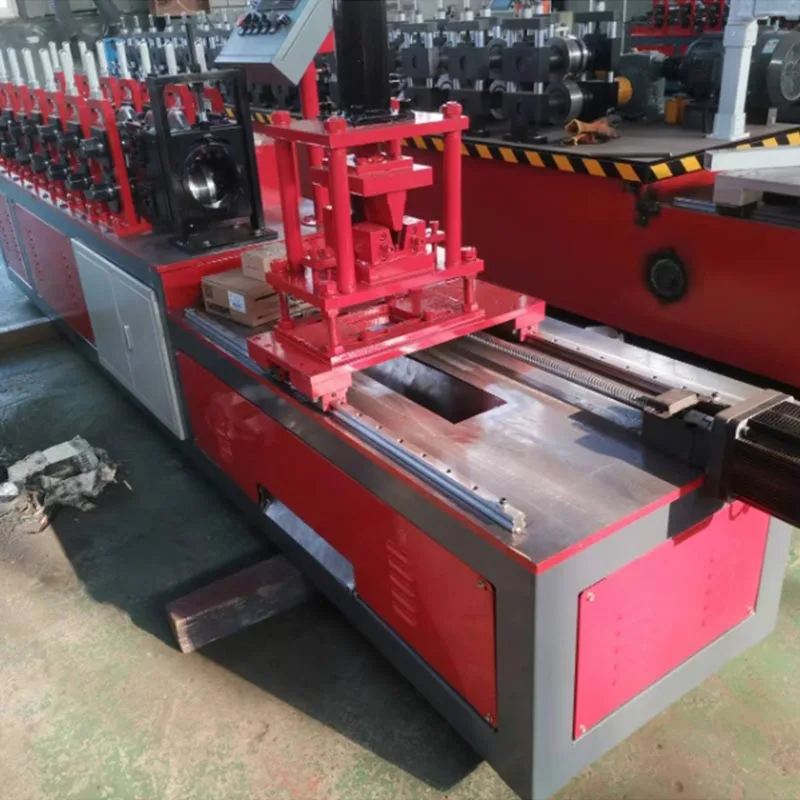
Roll Forming Stations:A progressive, step-by-step bending process guides the material through each station. Every
station contributes a minor bend, and these cumulative deformations steadily transform the flat strip into a sealed
triangular profile.
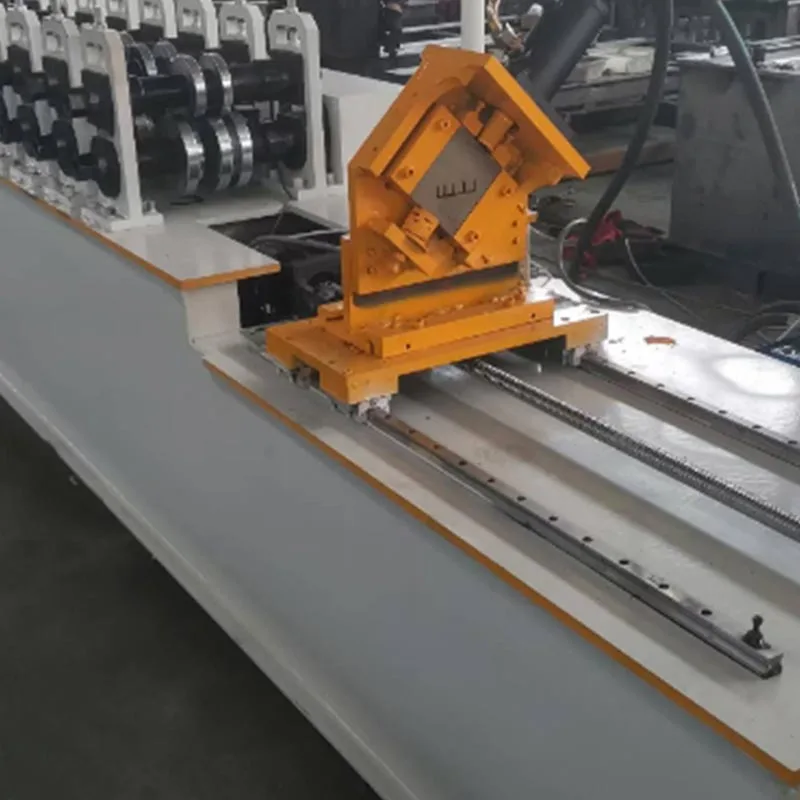
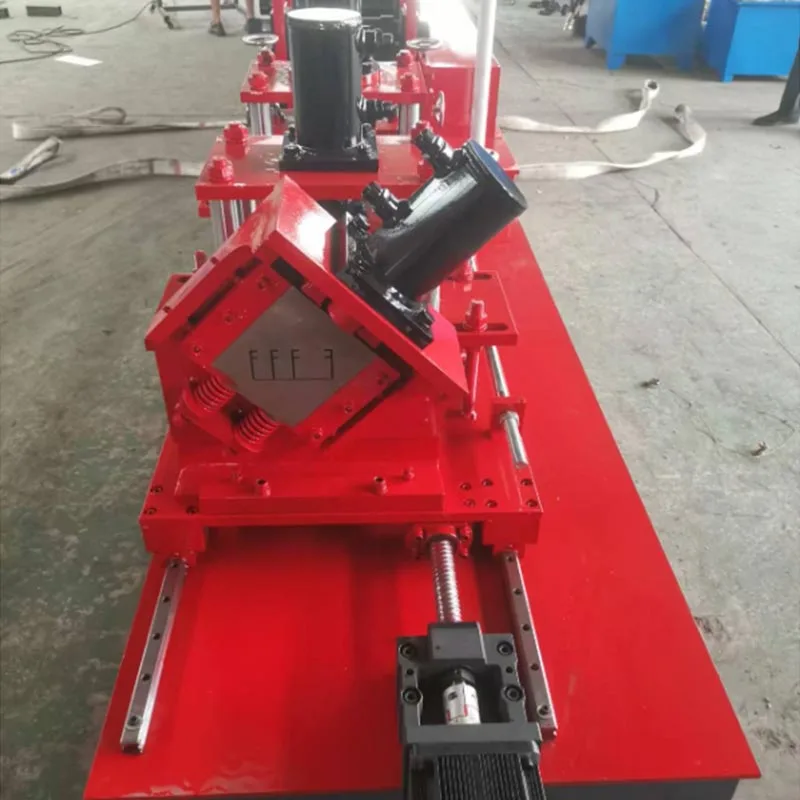
Punching & Notching Unit (Optional but common): Many machines include a punching station. This unit can punch
holes or create notches in the profile at set intervals. These features are for mounting, wiring, or joining
sections on-site.
Cutting System: After the profile is fully formed, it needs to be cut to length. A flying cut-off system is
standard. It moves with the continuously moving profile. It makes a precise cut without stopping the production
line. This ensures high efficiency.
Output Table / Run-Out Table: As the final stage of the line, this station collects the cut-to-length triangular
profiles and typically includes an automated stacking system for streamlined handling and packaging.
Control System: A modern PLC (Programmable Logic Controller) and HMI (Human-Machine Interface) panel run the entire
operation. Operators can set parameters like production speed and cut length here. The system ensures precision and
repeatability.
Advantages of Using the Machine
This Triangular Light Steel Framing Machine delivers clear advantages over conventional methods, producing a more
efficient and robust product.
1. High Production Efficiency:
The machine operates continuously. It can produce tens of meters of finished product per minute. This speed far
surpasses manual fabrication or press braking. It meets the high-volume demands of large construction projects.
2. Exceptional Consistency and Quality:
Every piece produced is identical. The roll forming process eliminates human error. The dimensional accuracy of the
triangular frames is extremely high. This consistency simplifies installation on the construction site. It reduces
waste and rework.
3. Material Strength and Durability:
The cold-forming process work-hardens the steel. This increases its strength along the bends. The resulting
triangular profile is a naturally rigid structural shape. It provides excellent load-bearing capacity and resistance
to sagging.
4. Low Labor Costs:
The process is highly automated. It runs with just a skeleton crew of one or two, leading to much lower labor
expenses.
5. Flexibility and Customization:
Machines can be tailored. They can produce different sizes of triangles. They can handle different material
thicknesses. The punching patterns can be easily changed via the PLC. This allows one machine to serve multiple
product lines.
6. Minimal Material Waste:
The process uses a continuous coil. The flying cut system optimizes cut lengths. This results in very little scrap
material compared to sheet-fed processes.
7. Superior Product Finish:
By maintaining the galvanized coating undamaged, this non-invasive process delivers a product with excellent
corrosion resistance, ready for immediate use without any secondary treatment.
Raw Material:
Material Type: Galvanized Steel (SGCC, DX51D, etc.), Aluminum, or other malleable steel strips.
Material Thickness: Typically ranges from 0.4 mm to 1.2 mm.
Coil Width: Depends on the final profile size, usually between 60 mm and 200 mm.
Coil Weight: Up to 3,000 - 5,000 kg, depending on the decoiler capacity
Finished Product:
Profile Shape: Closed Triangular (often with flanged edges for stability)
Side Length: Common sizes are 20x20mm, 25x25mm, 30x30mm, up to 60x60mm.
Production Speed: 15 to 40 meters per minute.
Machine Specifications:
Forming Stations: 12 to 18 stations is common for a precise, smooth form.
Drive Motor Power: Ranges from 7.5 kW to 15 kW, depending on size and speed.
Control System: PLC with color touch screen (HMI).
Cutting Accuracy: ±0.5 mm to ±1.0 mm.
What is the production process for this machine?
The operation of a Triangular Light Steel Framing Machine is a systematic and efficient, highly automated process.
Material Loading.
A forklift places a large coil of galvanized steel onto the decoiler. The operator threads the leading edge of the
coil into the entry guide.
Threading and Setup.
The machine is threaded through the initial guides and into the first forming station. The operator inputs the
desired parameters on the control panel. These include the production speed and the cut length.
Roll Forming.
The main drive motor starts. The metal strip feeds through the forming stations, where a progression of
roller-induced bends gradually creates an upward edge formation, culminating in a defined "U" shape. Finally, it
closes into a tight, locked triangular profile.
Punching/Notching (If equipped).
After the profile is fully formed, it passes through the punching unit. The unit is synchronized with the profile's
movement. It punches holes or notches at pre-programmed intervals.
Cutting to Length.
The continuous triangular profile reaches the cutting unit. A sensor detects the profile's position. The flying
cut-off system clamps onto the profile. It moves with it. A saw or shear makes a clean, square cut. The cutter then
returns to its start position for the next cycle.
Output and Stacking.
The cut pieces travel along the output table. They are automatically stacked or conveyed to a collection area. The
operator packages the finished products into bundles for shipping.
What are the main use cases for this product?
The triangular frames produced by this Machine are fundamental in modern building
interiors.
1. Suspended Ceiling Systems (T-Bar Grids):
This is the most common application. The triangular frames serve as the main runners or secondary members in a
suspended ceiling grid. They provide the strong, level framework that holds ceiling panels, tiles, or boards. Their
strength prevents the ceiling from sagging over time.
2. Drywall Partition Framing:
They are used as horizontal bridging or noggins between vertical studs in wall frames. This adds rigidity to the
wall. It also provides a secure backing for attaching drywall sheets.
3. HVAC Support Systems:
Designed as sturdy support channels for HVAC ducts and pipes, their structural integrity and clean aesthetic give
them dual utility, making them ideal for exposed applications in commercial plenum spaces.
4. Cable Management and Conduit Support:
In both ceilings and walls, these channels provide a secure and organized way to route electrical cables, data
wires, and conduits.
5. Decorative Wall and Ceiling Features:
The precise profiles allow designers to create layered or stepped ceiling and wall designs. They serve as the unseen
backbone, enabling the creation of complex interior aesthetics.
6. Light Gauge Steel Structural Applications:
These profiles also serve as lightweight purlins or girts, leveraging their high strength-to-weight ratio in small
steel structures.
This Triangular Light Steel Framing Machine is a precision production system. It turns raw steel into a core structural
component. The process is exceptionally fast, accurate, and reliable.
The advantages are clear. They include high output, consistent quality, and operational cost savings. The resulting
product, the triangular light steel frame, is indispensable. It is the unseen backbone of safe, durable, and modern
interior spaces. From office buildings and hospitals to shopping malls and residential homes, this machine's impact is
everywhere above our heads and within our walls.
Send an inquiry to Parfu to obtain pricing and project information for Roll Forming Machines, Sandwich Panel Machines, Roll Forming Machine Accessories. We guarantee a response within 24 hours.
We use cookies to offer you a better browsing experience, analyze site traffic and personalize content. By using this site, you agree to our use of cookies. Privacy Policy