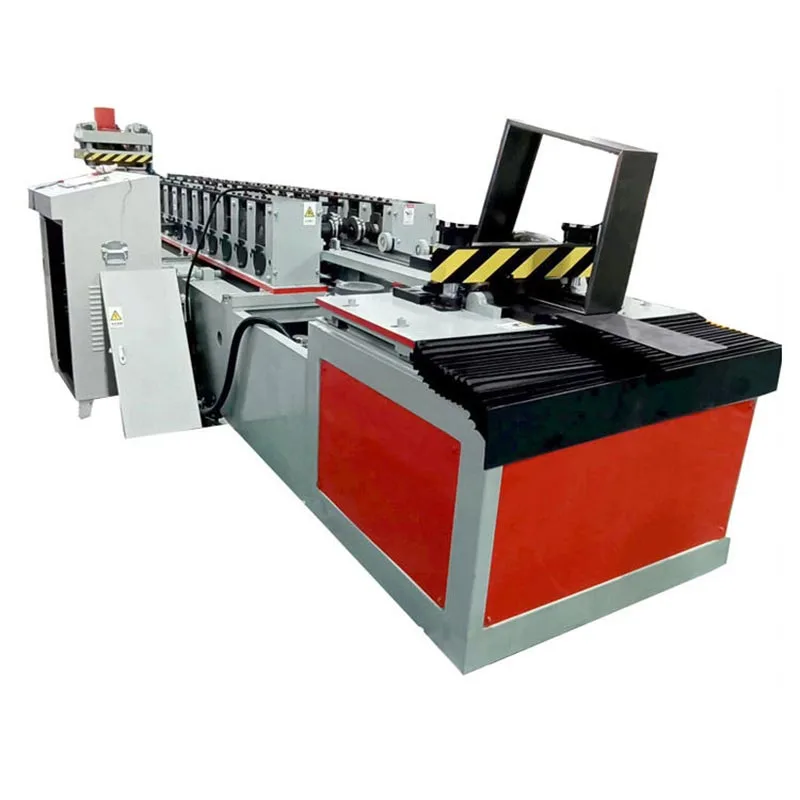
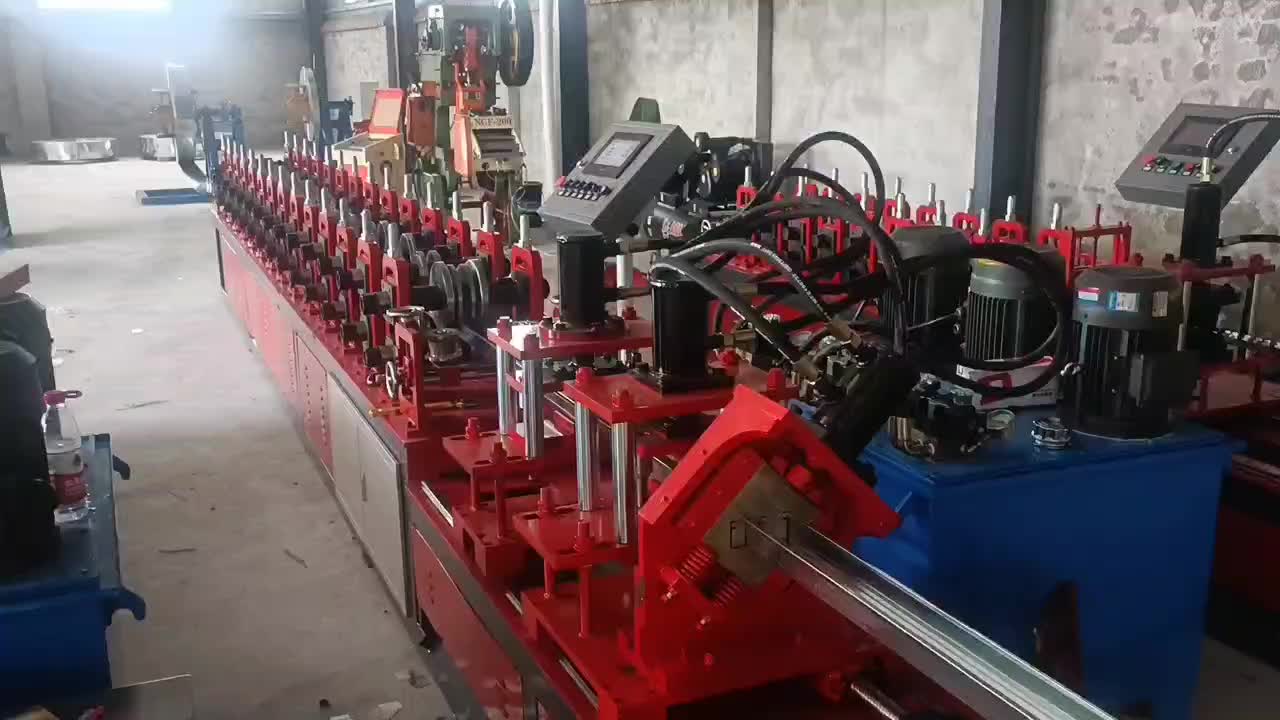
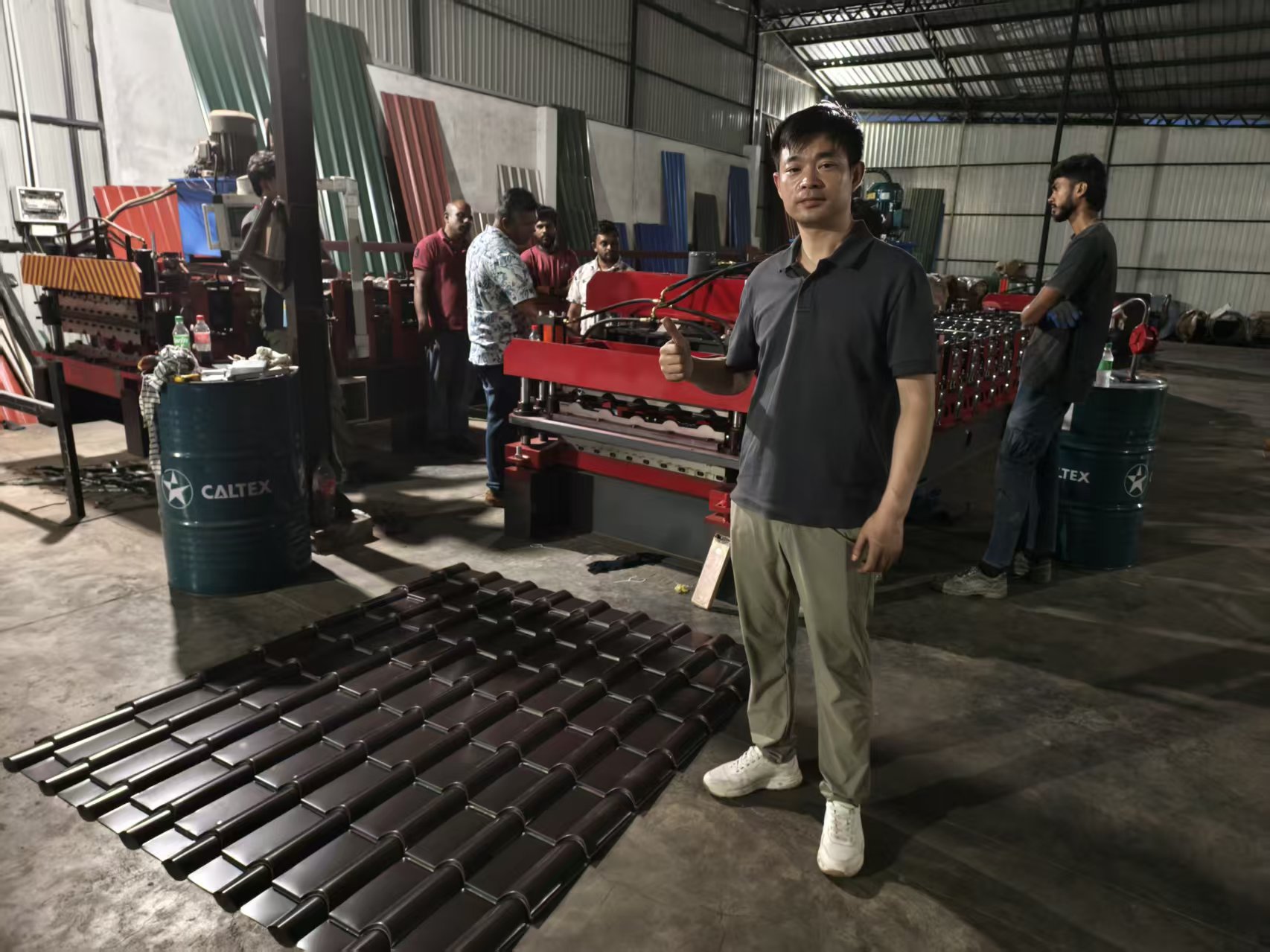
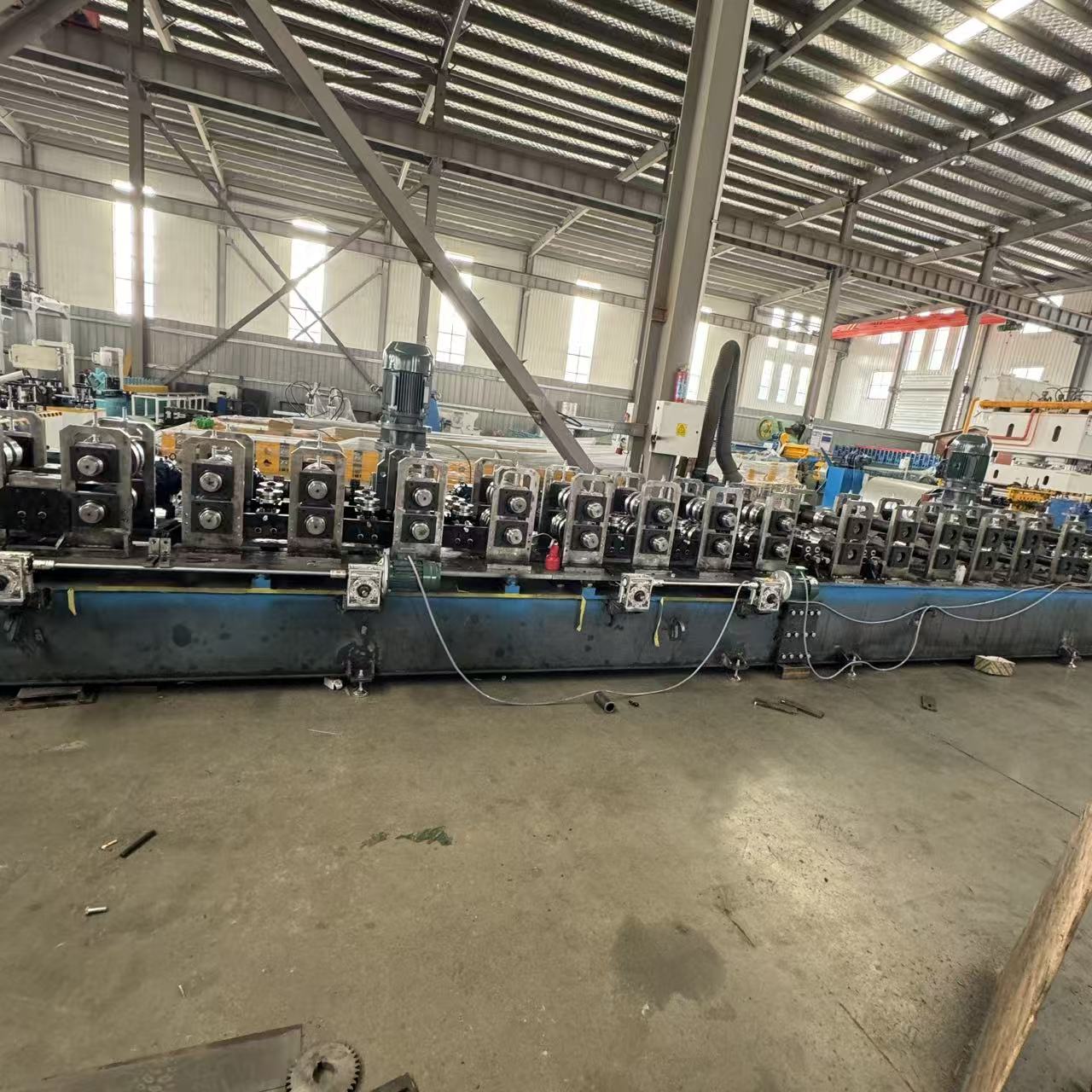
The Light Steel Keel Machine Two-in-one Machine produced by Parfu International Trading Co., Ltd. is a advanced piece of industrial equipment. It is designed for the construction industry. This machine produces two essential framing components. These are vertical studs and track (also called top and bottom runner or heaven and earth keel).
Traditionally, these profiles required two separate machines. This new two-in-one system combines both functions. It
is
a highly efficient and space-saving solution. The Light Steel Keel Machine Two-in-one Machine forms these components from
coiled
galvanized steel strips. It works with high precision and speed.
This Machine is vital for modern drywall and lightweight steel frame construction. It
helps
create the skeleton for walls and ceilings. Its integrated design represents a significant step forward in building
material manufacturing.
Detailed Description
The Light Steel Keel Machine Two-in-one Machine is a complete roll forming system. It is not a simple machine. The process
begins at the uncoiler (pay-off stand). Its job is to hold the raw material coil and feed it smoothly into the
production line.
A. This is the starting point.
It holds the large coil of raw material. The material is typically galvanized steel strip. The uncoiler feeds the
strip into the machine smoothly and consistently. It often has a braking mechanism. This prevents the coil from
unrolling too fast.
B. Guide and Leveling Device
This unit corrects curves and removes twists from the steel strip. It flattens the material before the forming
process. This is vital for making straight and precise products.
C. Servo-Driven Decoiler (Optional but Common)
This is a sophisticated feeding system. It uses a servo motor for high-precision control. It pulls the material
forward in exact lengths. This is essential for the cutting-to-length process. It ensures every stud and track piece
is the same specified length.
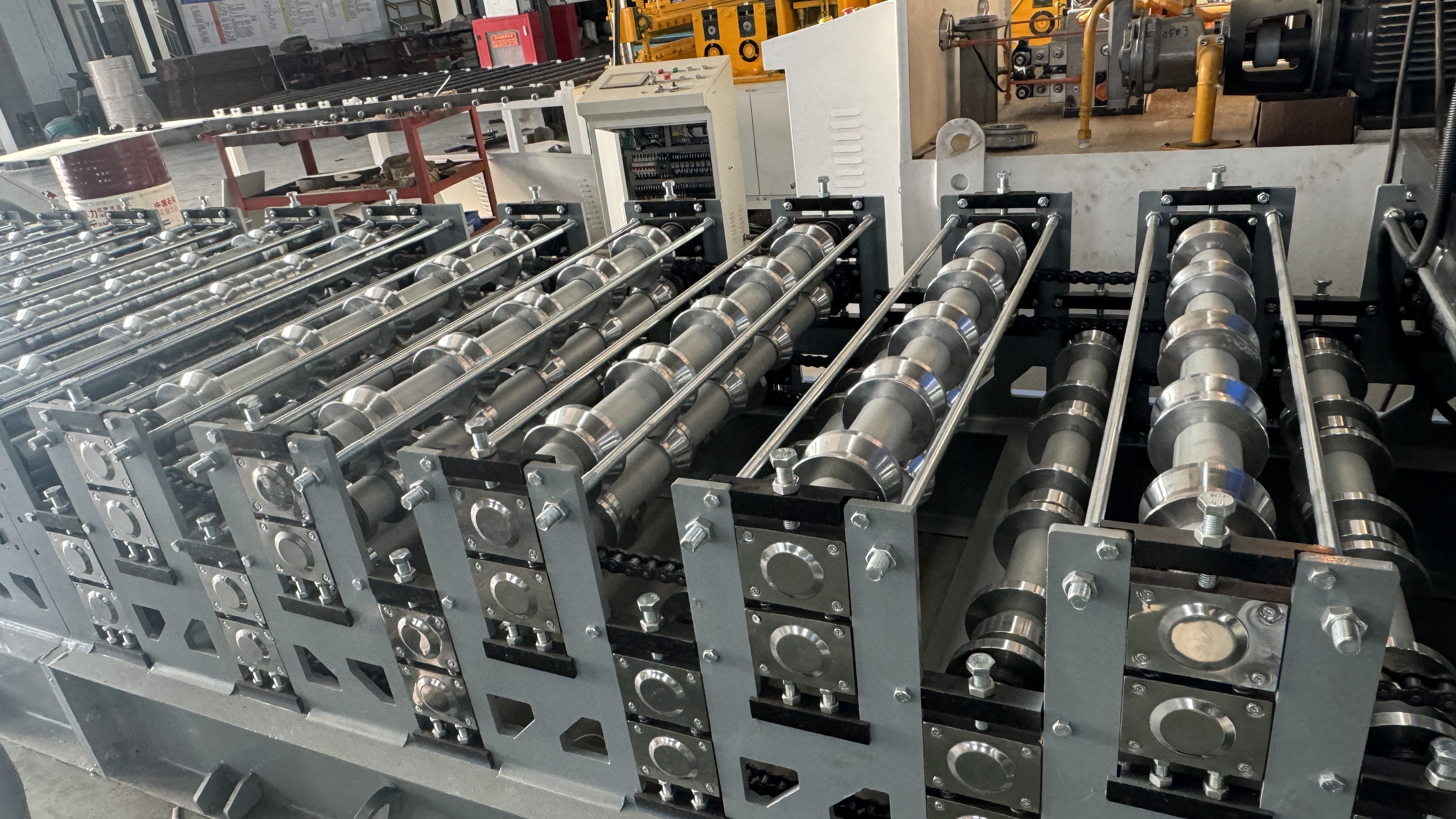
D. The Main Roll Forming Station
This is the heart of the machine. It consists of a series of rolling mill stands. Each stand has a set of hardened
steel rollers (dies). The shape of these rollers is specific.
The strip passes through each consecutive stand. At each step, the rollers gradually bend the steel. They shape it
into the final profile. For a two-in-one machine, this station is designed to form both stud and track profiles.
E. Profile Switching Mechanism
This is the core feature that makes it "two-in-one." It is not two machines bolted together. It is one intelligent
system. The switching can be done in two primary ways:
Manual Roller Change: The operator physically changes some of the rollers in the forming station. This method is
cost-effective. It is suitable for factories that do not need to switch profiles very frequently.
Automatic/Servo Switching: This is a more advanced system. The machine uses servo motors to shift certain rollers in
and out of position. The changeover is done through the control panel. It is fast and requires minimal manual labor.
This greatly reduces downtime between production runs.
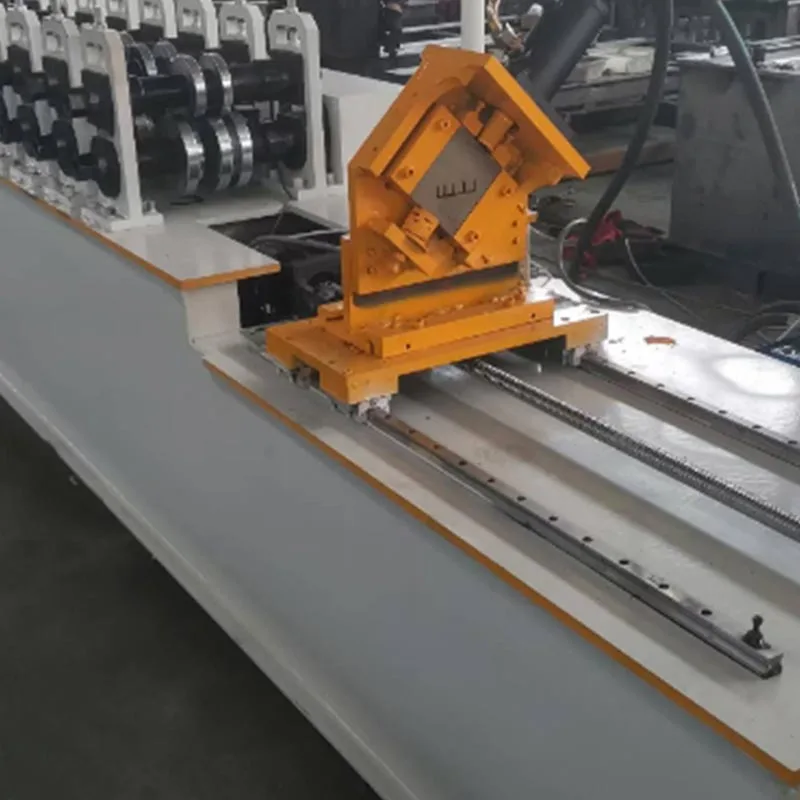
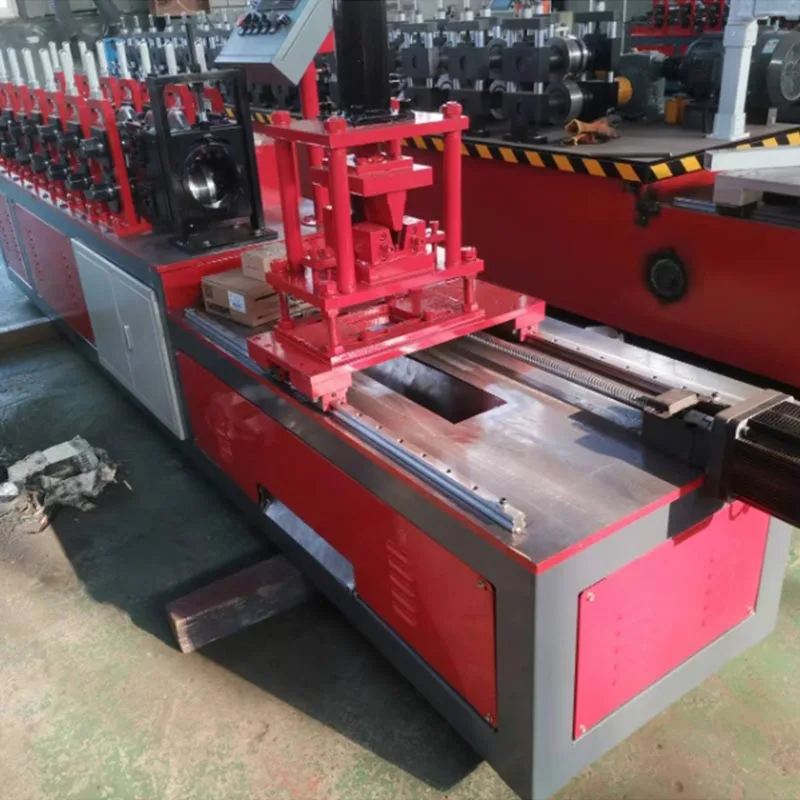
F. Punching and Notching Unit
Studs often need holes for plumbing and electrical wiring. Tracks may need notches for joining or reinforcement.
This unit is equipped with hydraulic or pneumatic punches. It creates these holes and notches with high accuracy.
The punching pattern is programmable.
G. Cutting System
After the profile is fully formed, it is cut to length. This is typically done by a high-speed hydraulic flying
cut-off saw. The cutter moves with the material. It makes a clean, burr-free cut. Then it returns to its start
position for the next piece. The cut length is set in the control system.
H. Output Table and Stacker
The finished studs or tracks are conveyed out of the machine. An output table receives them. Often, an automatic
stacker counts the pieces. It bundles them into neat stacks for easy handling and shipping. This automates the final
step of the process.
Standard Parameters
These Light Steel Keel Machine Two-in-one Machine’s parameters can vary by manufacturer and model. Here are typical
specifications:
Parameter
Specification Range
Notes
Material Thickness
0.4 mm - 1.2 mm
Commonly 0.5mm, 0.6mm, 0.8mm for most applications.
Material Width
100 mm - 200 mm
This refers to the width of the steel coil.
Finished Product Dimensions
- Stud Depth
50 mm - 150 mm
Common sizes: 50mm, 75mm, 100mm, 150mm.
- Track Width
Matches stud depth
The track is designed to fit the stud perfectly.
Production Speed
15 - 45 meters per minute
Speed depends on profile complexity and machine model.
Roll Forming Stations
18 - 25 stations
More stations allow for smoother, more precise forming.
Main Motor Power
10 HP - 25 HP
Powers the roll forming stations.
Control System
PLC with Touch Screen
Brands like Siemens, Mitsubishi, or Allen-Bradley are common.
Cutting Accuracy
± 0.5 mm
Very high precision for consistent part lengths.
Key Advantages
It combines two functions but requires less space than two separate machines. This means a smaller footprint and
significantly lower costs for floor space, installation, and upkeep.
It is one machine instead of two. This saves significant factory floor space.
The initial investment is lower than buying two separate machines.
It reduces costs for electricity and maintenance.
High Flexibility and Quick Changeover:
Producers can easily switch between making studs and tracks.
This allows them to respond quickly to market demands.
Automatic switching ensures seamless, rapid changeovers. This keeps downtime to an absolute minimum.
Superior Production Quality:
The integrated design ensures stud and track profiles are perfectly matched.This results in a better-fitting,
stronger building frame.The roll forming process creates a consistent, high-quality product.
Labor Savings and Ease of Use:
One machine requires only one or two operators.The automated process reduces the need for highly skilled labor.The
PLC control system makes operation simple and intuitive.
Increased Overall Productivity:
The entire process, from coil to finished pallet, is a continuous and highly optimized journey. This integrated
approach delivers a significant boost in overall productivity.
High speeds and minimal downtime lead to a greater output per shift.
This increases the manufacturer's capacity and profitability.
Application Scenarios
This Light Steel Keel Machine Two-in-one Machine is specialized in manufacturing the core components for a range of
construction systems.
Interior Partition Walls:
It produces the studs and tracks for non-load-bearing walls inside buildings. These are used in offices, hotels,
hospitals, and residential apartments.
Suspended Ceilings:
The machine's versatility extends to precisely fabricating main runners and wall angles for suspended ceiling grid
systems.
Light Gauge Steel Framing (LGSF):
In modern construction, entire buildings are made with cold-formed steel frames. This machine is specialized for
producing the wall frames required for these structures.
Material Manufacturers:
The primary users are factories that specialize in producing light steel keel profiles for the construction market.
They supply these materials to construction companies and distributors.
Production Workflow
The operation of the Light Steel Keel Two-in-One Machine follows a clear, logical sequence.
Step 1: Preparation and Setup
Place a coil of galvanized steel onto the uncoiler. The operator must then securely lock it into position. The
leading end of the strip is fed manually through the guide and into the first forming station. On the control panel,
the operator selects the desired profile (stud or track). The operator sets the required length, quantity, and
punching details to configure the job.
Step 2: Roll Forming Process
The main motor starts. The rollers in each station begin to turn. The steel strip is pulled through the machine. It
passes through each forming station. The shape is gradually bent into the final C-shaped (stud) or U-shaped (track)
profile. If the machine has an automatic switcher, the relevant rollers adjust themselves for the selected profile.
Step 3: Punching and Notching
As the formed profile moves forward, it passes under the punching unit. Hydraulic punches descend. They create
precise holes in the web of the studs or notches in the tracks. This happens in a continuous motion.
Step 4: Cutting to Length
The fully formed and punched profile continues to the cutting area. A sensor detects the front of the profile. The
servo decoiler ensures the correct length has been fed. The flying cut-off saw clamps onto the profile. It moves
with it. The saw blade makes a clean, square cut. After the cut is complete, the saw automatically retracts and
returns to its precise home position.
Step 5: Output and Stacking
The finished stud or track is conveyed to the output table. An automatic counter tracks production, and once a
preset quantity is reached, the stacking mechanism forms them into a neat bundle. This bundle is then ready for
strapping and removal.
Step 6: Changeover and Repeat
Switching products is simple: the operator selects the new profile on the HMI. The machine either self-adjusts or
walks the operator through the change. Production then repeats for the new batch.
More than a machine, Light Steel Keel Machine Two-in-one Machine is a strategic upgrade: unparalleled flexibility, significant
cost reduction, and guaranteed high quality. By automating stud and track production, it enables manufacturers to meet
global demand profitably, making it the definitive technology for efficient lightweight steel frame manufacturing.
Send an inquiry to Parfu to obtain pricing and project information for Roll Forming Machines, Sandwich Panel Machines, Roll Forming Machine Accessories. We guarantee a response within 24 hours.
We use cookies to offer you a better browsing experience, analyze site traffic and personalize content. By using this site, you agree to our use of cookies. Privacy Policy