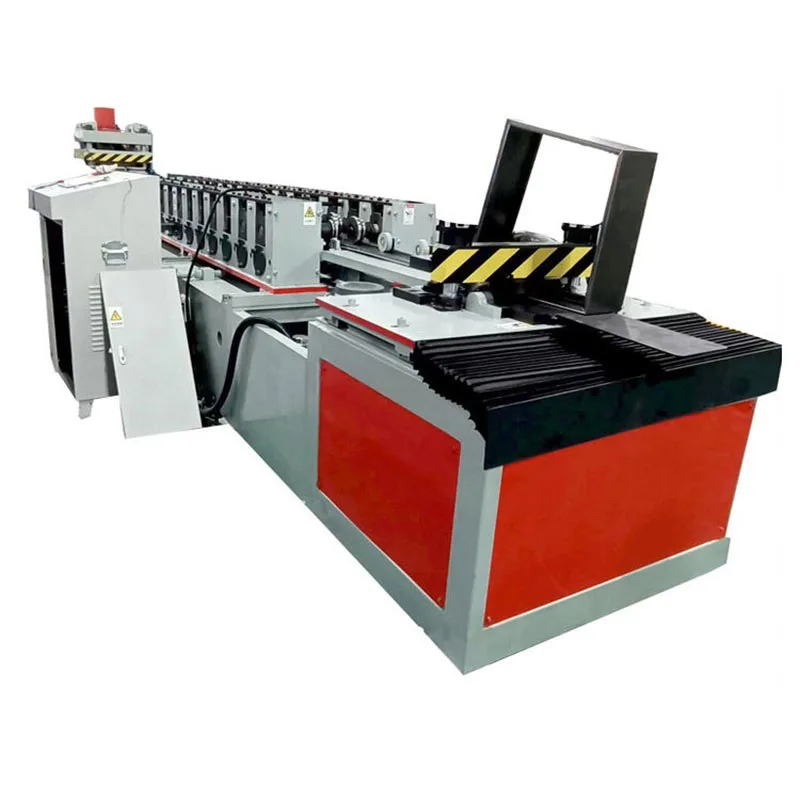
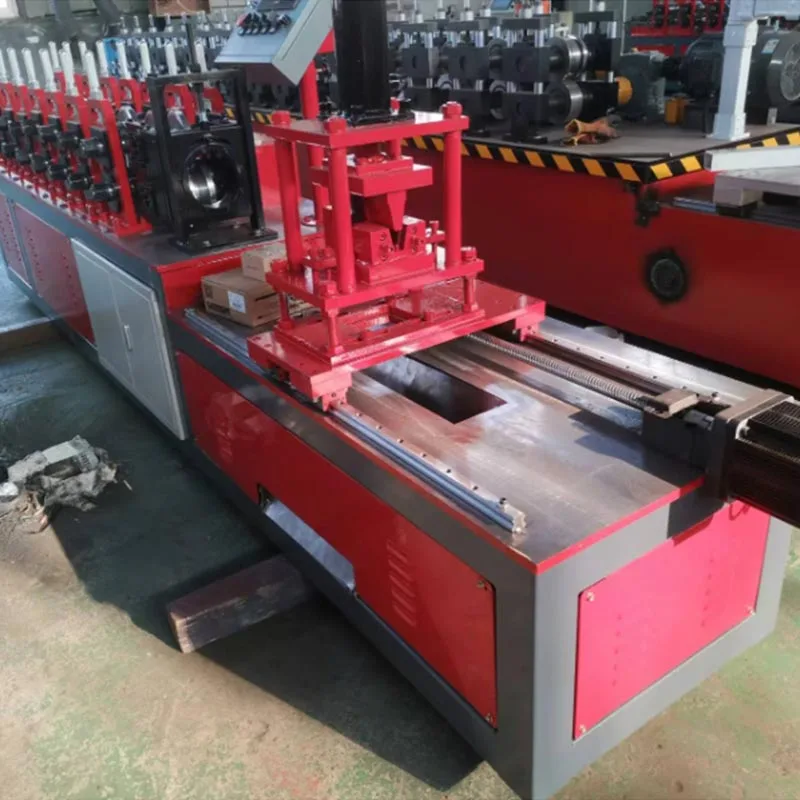
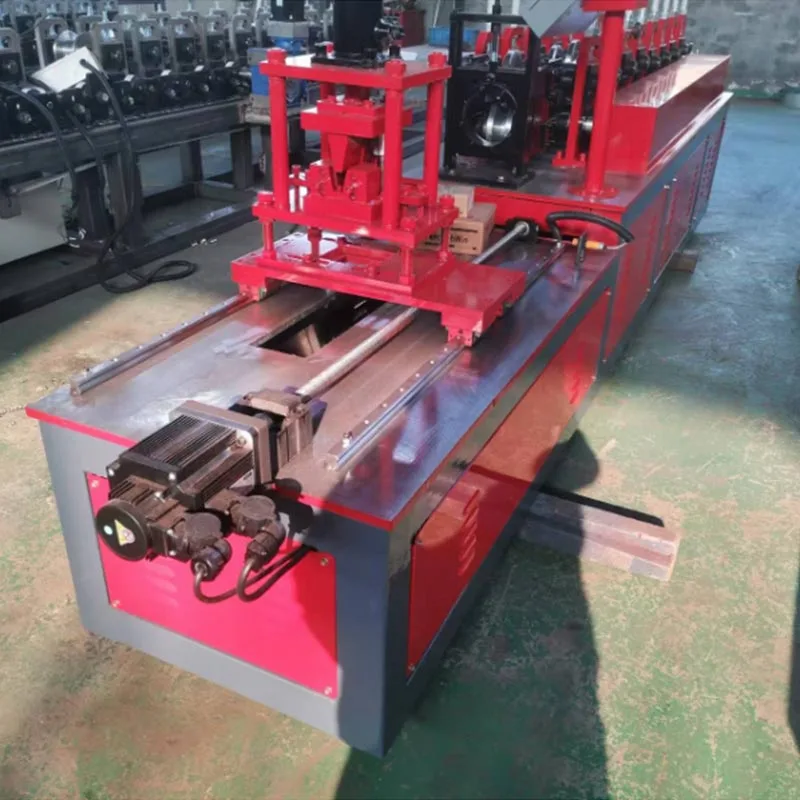
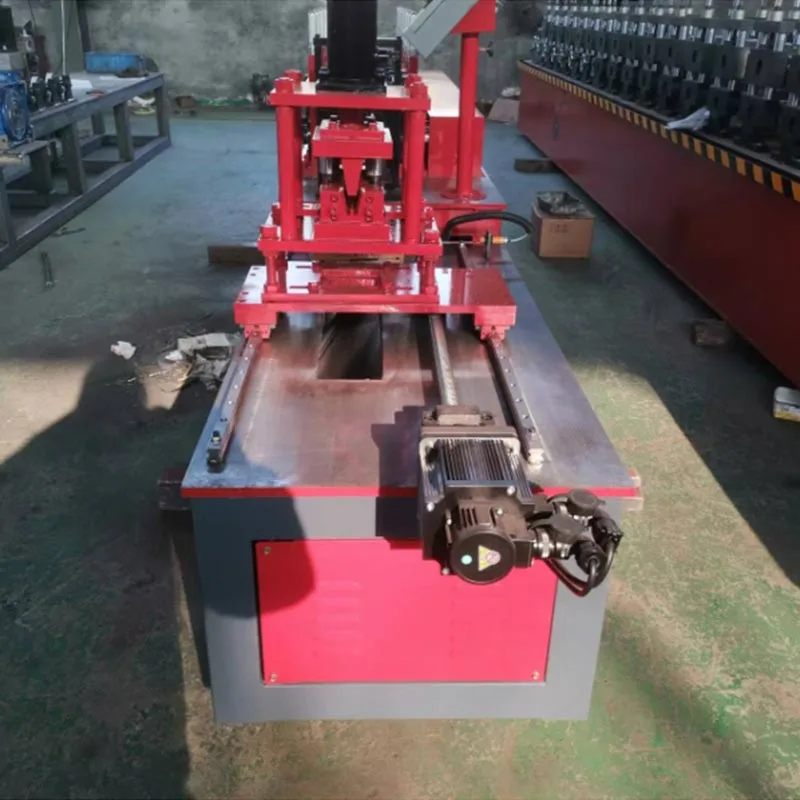
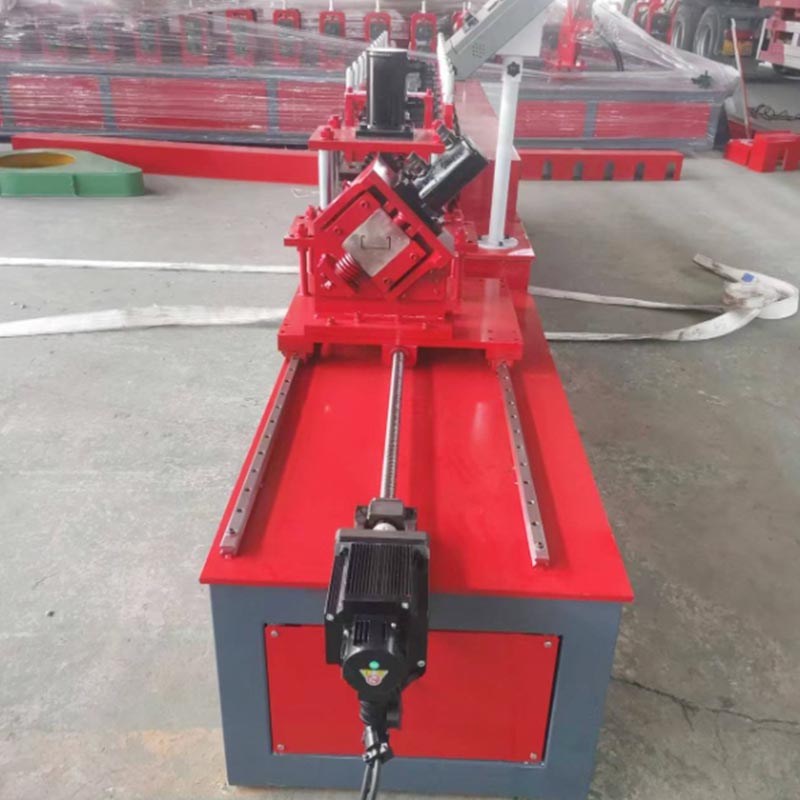
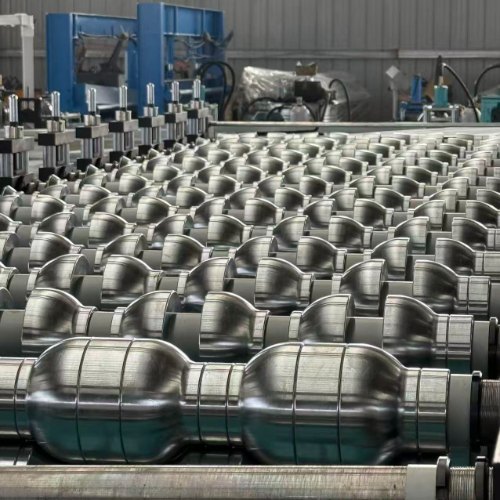
A Light Steel Snap-Lock Framing Machine produced by Parfu International Trading Co., Ltd. is a specialized piece of industrial equipment. It is designed to transform rolls of galvanized steel coil into building components. These components are known as snap-lock profiles or studs and tracks. The Machine forms the steel through a cold-rolling process. No heat is involved. This process creates strong, lightweight, and dimensionally accurate framing members.
These frames are the skeleton for modern construction. They are used in walls, ceilings, and partition systems. The
"snap-lock" feature is key. It refers to a cleverly designed groove and clip system. This system allows for drywall
or other panels to be snapped securely into place. It eliminates the need for screws or nails in the initial
attachment. This saves significant labor time and cost.
This technology represents a shift away from traditional materials. It moves away from heavy timber and messy wet
construction. It offers a faster, cleaner, and more precise building method. The Light Steel Snap-Lock Framing
Machine itself is the starting point for this efficient construction system.
Conventional Parameters and Specifications
Light Steel Snap-Lock Framing Machines come in various models. Their specifications can be tailored to different
production needs. However, most machines share common parameters.
Material Input: The machine processes galvanized steel coils characterized by a standard thickness of 0.4-1.2 mm, a
width of 80-250 mm, and a material grade of G550 or higher, which provides high yield strength.
Production Output: The machine produces various profiles. Common ones include C-stud (channel stud), U-track
(channel track), and I-studs. The final profile depth can range from 50 mm to 150 mm. The flange width is usually
between 35 mm and 75 mm.
Machine Speed: Production speed is a critical parameter. It is measured in meters per minute. Standard machines can
produce between 15 to 40 meters per minute. High-speed models can exceed 60 meters per minute.
Power Requirements: These are electrically powered machines. They typically require a 3-phase power supply. Common
voltages are 380V or 415V, at 50/60 Hz. The total power consumption depends on the motor size. It usually ranges
from 4 kW to 11 kW.
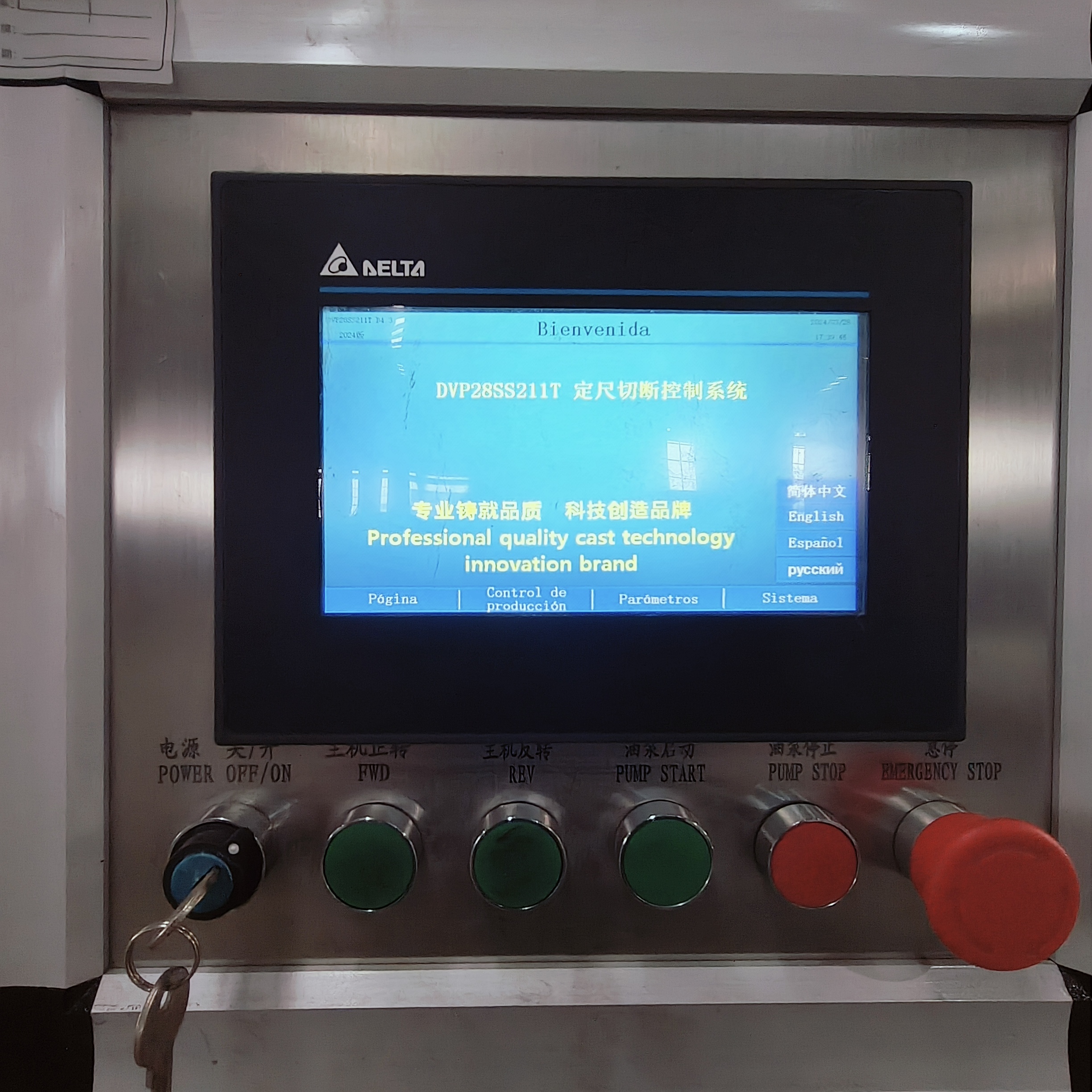
Control System: Modern machines use a PLC (Programmable Logic Controller). This is the brain of the operation. An
HMI (Human-Machine Interface) touchscreen is standard. It allows the operator to input dimensions, select profiles,
and monitor the production process.
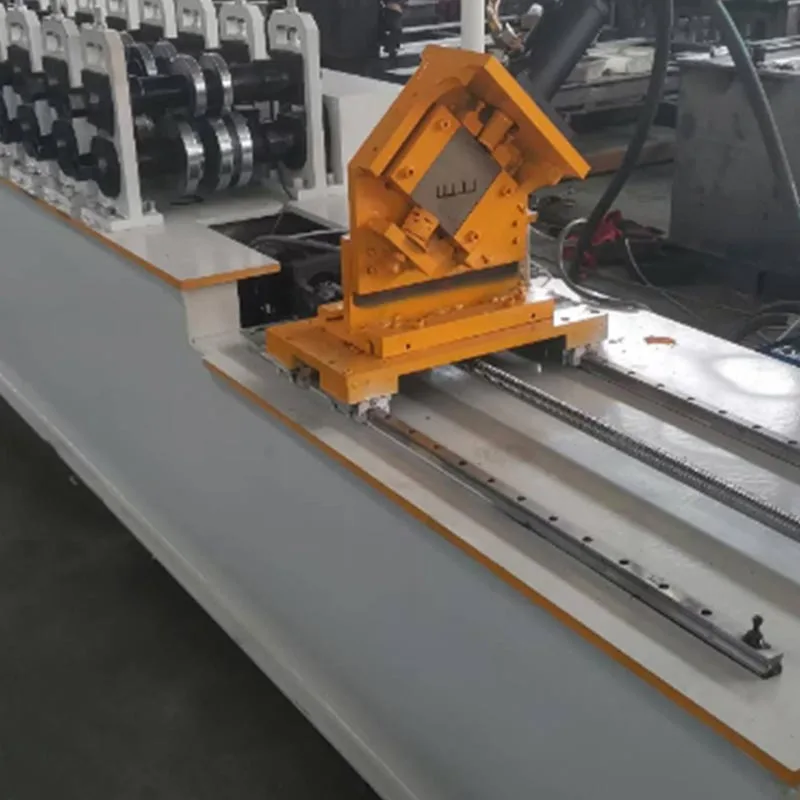
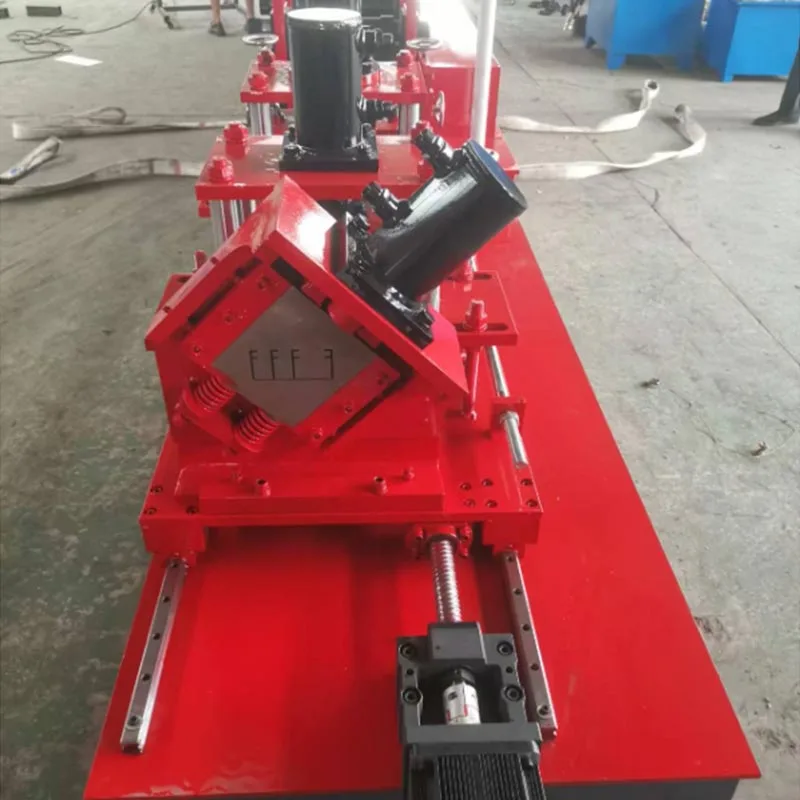
Punching Unit: This is a vital component. It automatically punches holes in the web of the stud. These holes are for
electrical wiring, plumbing, and mechanical services. The punching pattern and spacing are programmable via the PLC.
Cutting System: A high-precision servo-cutting system is used. It cuts the formed profile to the exact length
specified. The cut is clean and burr-free. Cutting accuracy is typically within ±0.5 mm.
Dimensions and Weight: This substantial machine typically measures 4 to 8 meters in length. Its weight ranges from
1,500 to 5,000 kg, a figure that is contingent upon the specific size and robustness of the unit.
What are the advantages of this machine?
The Light Steel Snap-Lock Framing Machine represents a major improvement in both efficiency and performance over
traditional construction methods.
Speed and Efficiency: The machine produces framing members on-demand. It does so at a very high speed. This
eliminates material waste from cutting long pieces. On-site assembly is incredibly fast. The snap-lock mechanism
allows for quick panel installation. Construction timelines can be reduced by up to 50%.
Precision and Accuracy:From production to installation, the process yields identical components with perfect
dimensional stability. Free from warping, shrinking, or twisting, they form perfectly straight walls and level
ceilings for a superior finish.
Strength and Durability: The benefits of cold-formed steel are twofold. Its high strength-to-weight ratio yields
structures that are more robust and durable than wood, while also being impervious to rot, mold, pests, and moisture
for a healthier indoor environment.
Lightweight: Being inherently lightweight, the steel frames reduce the dead load on the foundation and structure,
while also making handling and installation easier and safer.
Sustainability: Steel is 100% recyclable. The production process generates almost no waste. Any off-cuts from the
site are fully recyclable. This makes it an environmentally responsible choice.
Safety: Steel is non-combustible. It does not burn. This significantly improves the fire safety of a building. It
also does not provide sustenance for termites or other insects.
Cost-Effectiveness: The considerable initial investment is more than compensated for by substantial project savings,
stemming from reduced labor, minimized waste, accelerated construction, and lower long-term maintenance.
Primary Usage Scenarios
The framing produced by these Light Steel Snap-Lock Framing Machines is versatile. It is used in a wide range of
construction projects.
Residential Construction: It is used for interior partitions, exterior non-load-bearing walls, ceiling grids, and
roof trusses in houses, apartments, and villas.
Commercial Construction: Ideal for office partitions, retail store interiors, hotel room fit-outs, and false
ceilings. The ability to run services easily through the pre-punched holes is a major benefit.
Industrial Construction: Used for creating clean rooms, warehouses partition walls, and industrial office spaces.
Institutional Construction: Perfect for hospitals, schools, and universities. The material's cleanliness and
durability are key advantages here.
Renovation Projects: Excellent for remodeling existing buildings. The lightweight frames add minimal load to the old
structure.
The Production and Workflow Process
The operation of this machine is a continuous automated process that can be broken down into clear steps.
Material Loading
A steel coil is placed onto the uncoiler or decoiler stand. This stand holds the heavy coil. It allows it to unwind
smoothly and feeds the steel strip into the machine.
Initial Straightening and Guiding
The steel strip first passes through a levelling unit. A perfectly flat strip before forming is ensured by a
corrective roller system that eliminates all initial curvature and twists from the coil.
The Roll Forming Process
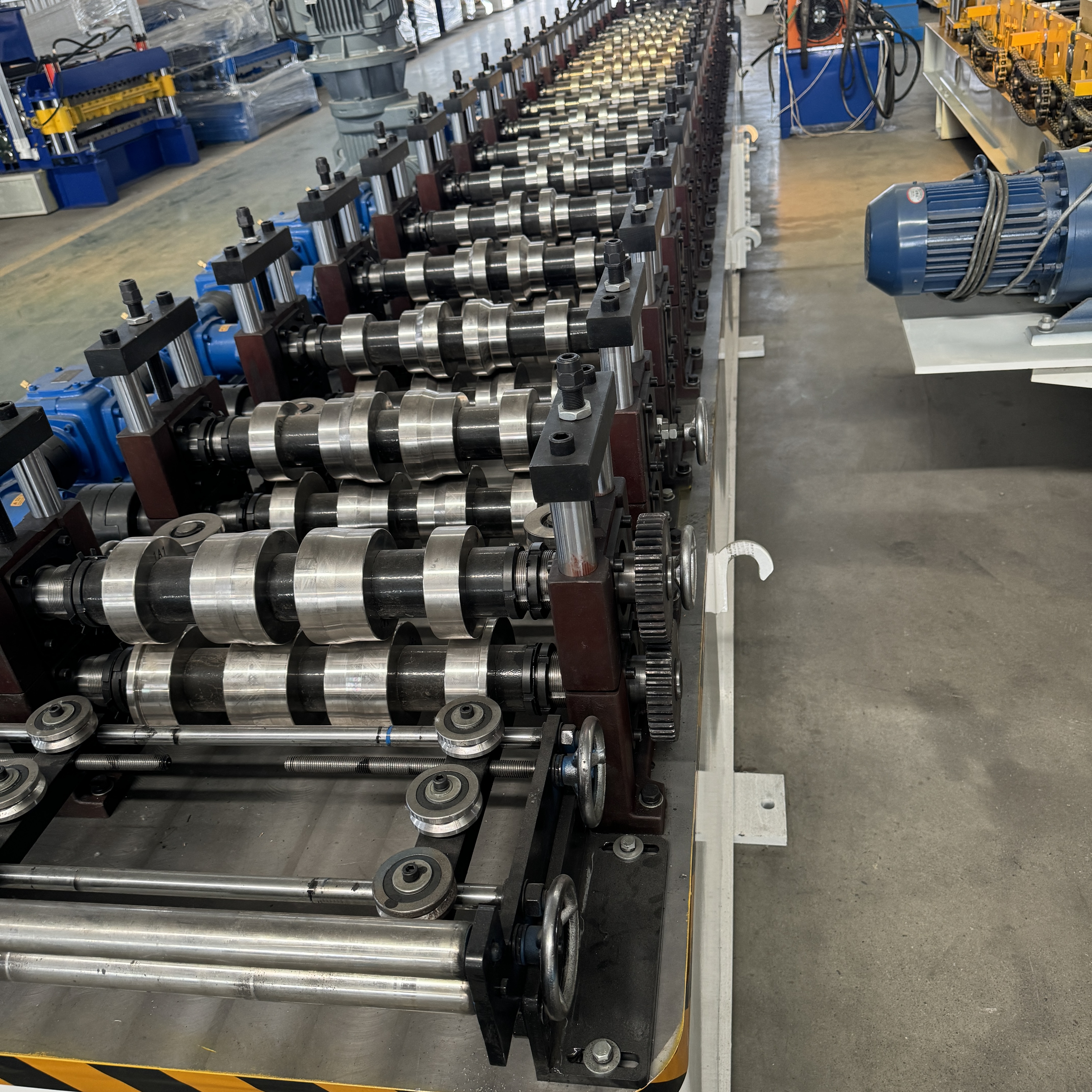
This is the core of the machine. The flat steel strip enters a series of forming stations. Each station is a set of
precision-engineered rollers. The first station slightly bends the edges of the strip. Each subsequent station
progressively shapes the metal. Step by step, it forms the final C or U-shaped profile with the snap-lock grooves.
Servo Punching
As the profile moves forward, it reaches the punching unit. Servo motors synchronize the punches with the profile's
movement. The punches create clean, accurate holes in the web of the profile. The pattern is pre-programmed.
Precise Cutting
The fully formed and punched profile continues to the cutting unit. A servo motor drives a cutting blade. The
process automatically and cleanly shears the profile, delivering highly accurate lengths with every cycle and
guaranteeing consistency.
Output and Handling
This automated handling system conveys, stacks, bundles, and labels the finished studs for site delivery, concluding
a seamless and efficient production process from coil to final product.
Our Light Steel Snap-Lock Framing Machine is the cornerstone of a smarter build. It transforms raw coil into perfect
components, unlocking faster, cleaner, and more precise construction. The result is a durable, flawless structure
completed in less time. For those building the future, this isn't just another tool—it's your essential advantage.
Send an inquiry to Parfu to obtain pricing and project information for Roll Forming Machines, Sandwich Panel Machines, Roll Forming Machine Accessories. We guarantee a response within 24 hours.
We use cookies to offer you a better browsing experience, analyze site traffic and personalize content. By using this site, you agree to our use of cookies. Privacy Policy