News

News

Roll Forming Machine Price Guide: What Affects the Cost?

2026-05-22 0 Leave me a message

Roll Forming Machine Price Guide: What Affects the Cost?

Investing in an automated roll forming system is a major milestone for any metal manufacturing business. However, when sourcing equipment, many buyers find that asking for a standard roll forming machine price yields wildly different quotes.

Because most high-quality machinery is custom-engineered to meet specific profile requirements, a flat rate rarely exists. Understanding the underlying factors that drive the final roll forming machine cost helps you budget accurately and make an informed investment.

Here is a comprehensive breakdown of what affects the price of industrial roll forming machinery.

1. Profile Complexity and Material Specifications

The design of the metal profile you want to produce is the single biggest cost driver.

  • Simple Profiles: Standard shapes like basic U-channels or light-gauge roofing sheets require fewer forming stations and simpler roller tooling. These entry-level systems offer a lower industrial roll forming machine price.

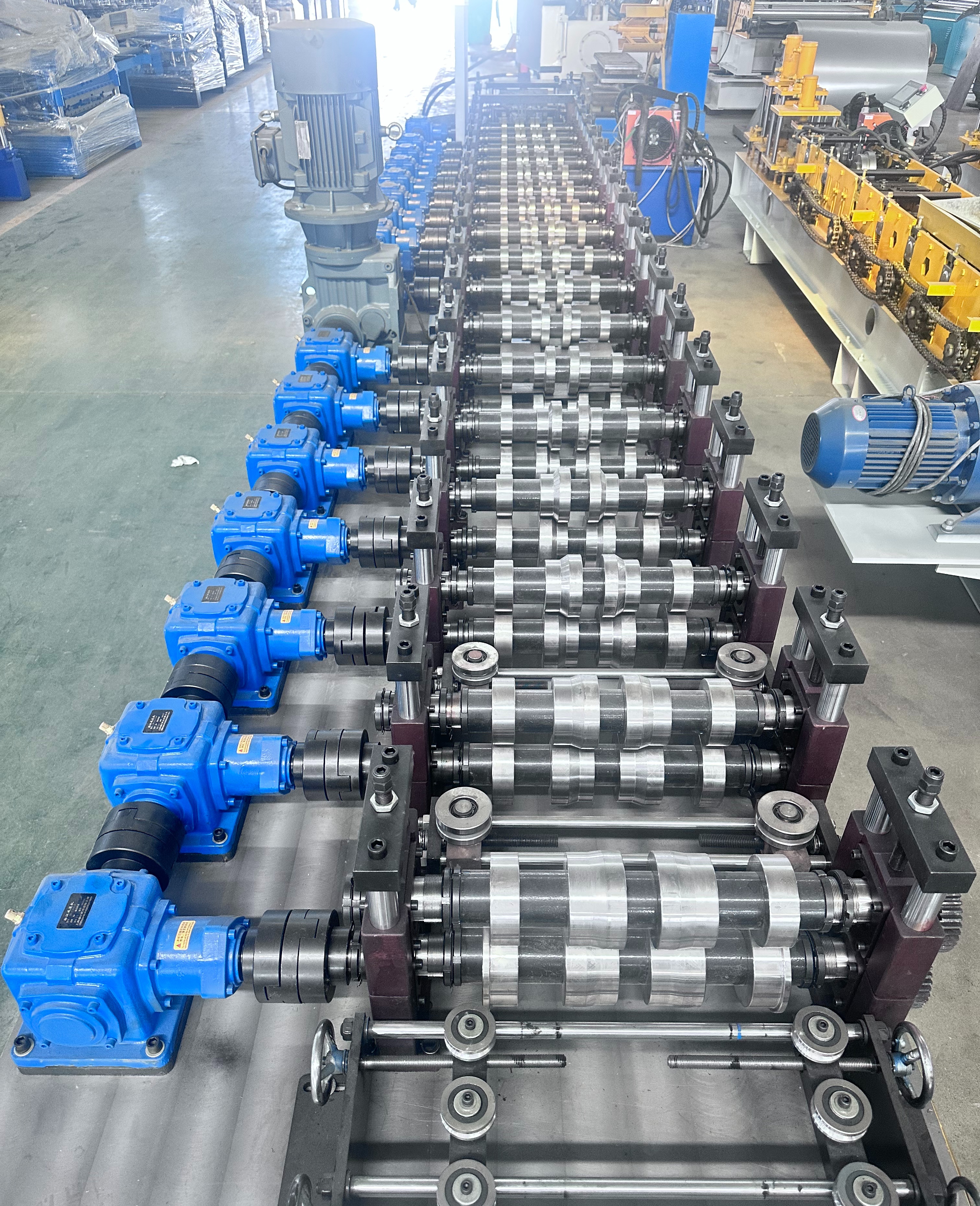
  • Complex Profiles: Deep channels, wide panels, or profiles with multiple bends require more passes (stations) to shape the metal without structural stress.

Additionally, processing high-strength steel or thicker gauges demands heavy-duty shafts, robust stands, and more powerful motors, which increases the overall equipment cost.

2. Machine Speed and Production Capacity

Are you running a small workshop or a high-volume, 24/7 manufacturing plant?

  • Standard Lines: Standard machines operate at speeds of 10 to 20 meters per minute, which is highly cost-effective for medium-volume production.

  • High-Speed Lines: If you require advanced high-speed custom roll forming lines that run up to 40 or 60 meters per minute, the machine requires specialized flying cutoff systems, advanced servo motors, and premium cooling technologies to maintain accuracy.

3. Automation and Auxiliary Equipment

A complete production line involves much more than just the forming rollers. The level of automation heavily influences the price:

Component Type Entry-Level Options Advanced Automated Options
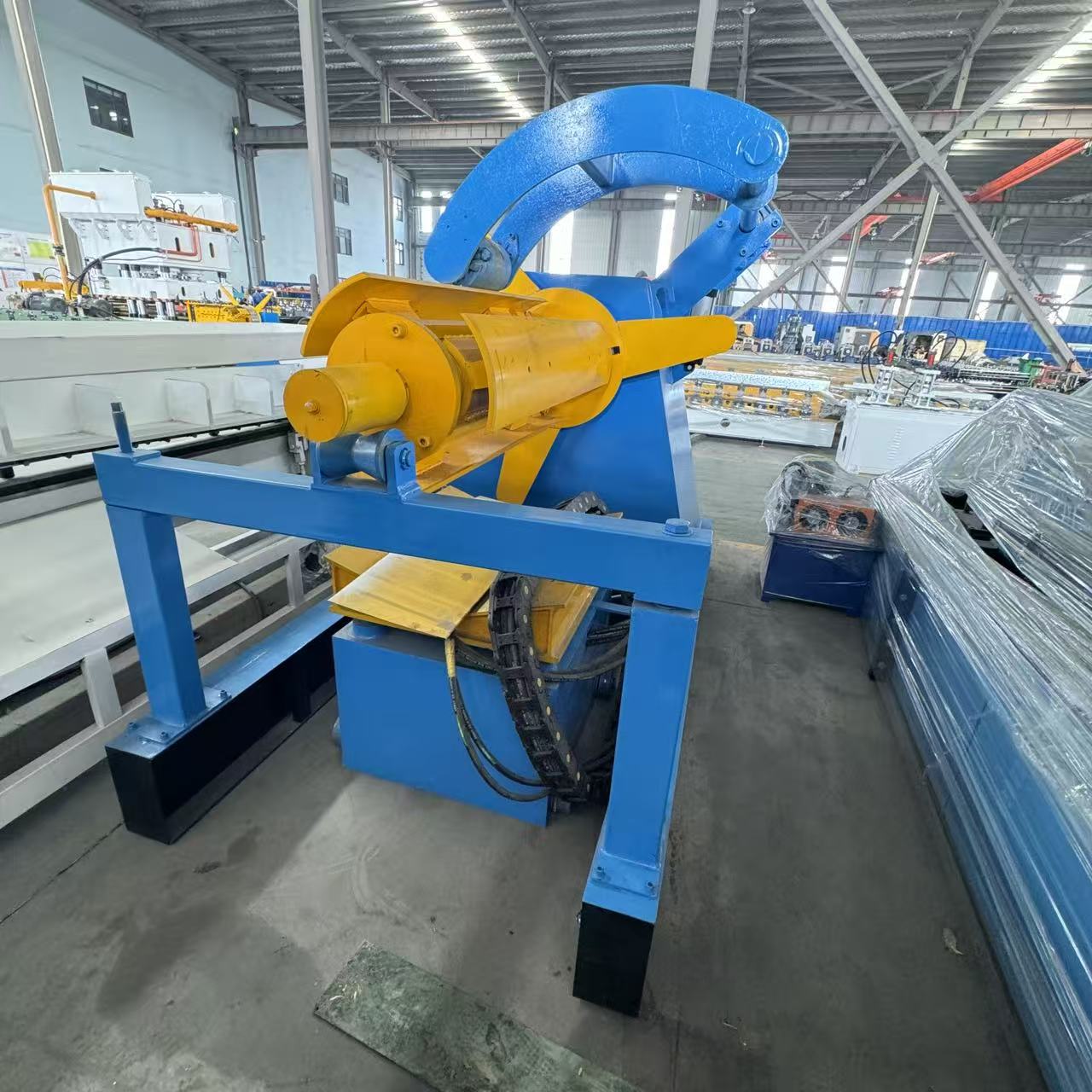
Decoiler Manual decoiler Hydraulic auto-decoiler with loading car
Punching Post-cutting / Stationary punch High-speed hydraulic pre-punching / Servo flying punch
Stacking Manual run-out table Fully automated magnetic or pneumatic stacking system
Control System Basic button panel Premium PLC touch-screen system (Siemens/Mitsubishi)

Integrating these advanced auxiliary units turns a basic machine into a highly efficient, labor-saving asset, though it shifts the budget toward a premium tier.

4. Tooling Material and Manufacturing Precision

The rollers endure immense pressure and friction. Cheap machines often use lower-grade steel that wears down quickly, leading to product deformities. High-end roll forming machinery suppliers utilize premium tool steels (like Cr12MoV or D2), heat-treated and precision-ground to tolerances within hundredths of a millimeter. While this increases the initial engineering cost, it ensures your line runs flawlessly for millions of meters without needing replacement tooling.

Looking for an Accurate Quote for Your Project?

As a trusted global roll forming equipment manufacturer, Parfu specializes in engineering high-precision, heavy-duty manufacturing lines. Explore ourCustom Roll Forming Machines Lineupor browse our specializedRoof Panel Roll Forming Machinesto find the right configuration for your factory.

Related News
Leave me a message
X
We use cookies to offer you a better browsing experience, analyze site traffic and personalize content. By using this site, you agree to our use of cookies. Privacy Policy
RejectAccept