Products

Products

Gear Box Driven Steel Roll Forming Machine
  • Gear Box Driven Steel Roll Forming MachineGear Box Driven Steel Roll Forming Machine
  • Gear Box Driven Steel Roll Forming MachineGear Box Driven Steel Roll Forming Machine
  • Gear Box Driven Steel Roll Forming MachineGear Box Driven Steel Roll Forming Machine
  • Gear Box Driven Steel Roll Forming MachineGear Box Driven Steel Roll Forming Machine

Gear Box Driven Steel Roll Forming Machine

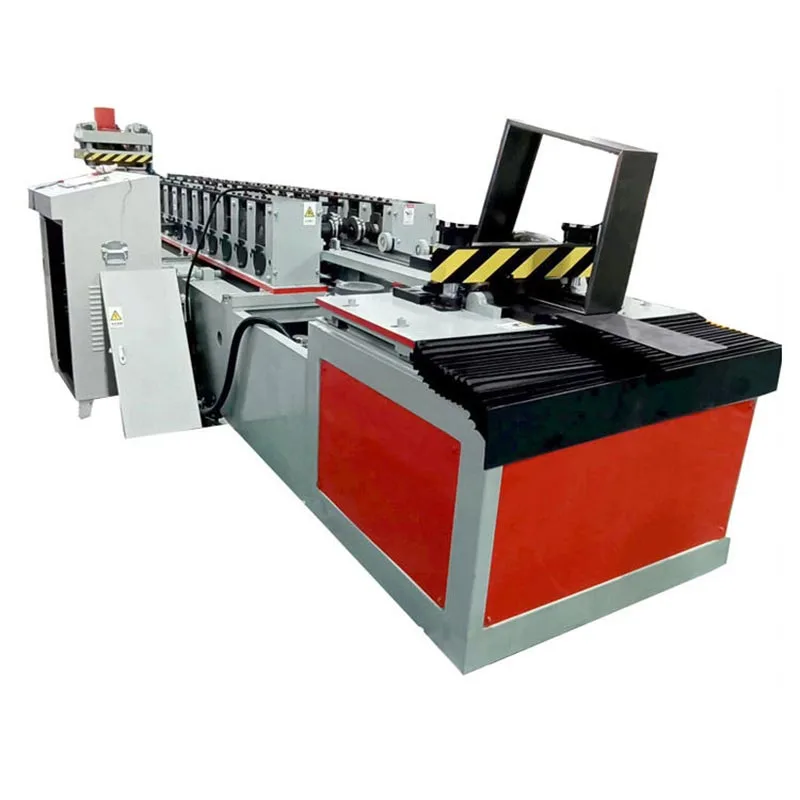
A Gear Box Driven Steel Roll Forming Machine produced by Parfu International Trading Co., Ltd. is a powerful industrial machine. It is used in the construction industry. This machine processes raw steel coils. It produces precise construction parts. These parts are called steel studs, tracks, and channels.
Rating: 5.0
(Rating Count: 1)

They form the skeleton, or "dragon bone," of modern buildings. This Gear Box Driven Steel Roll Forming Machine transforms construction. It replaces slow, manual work with fast, automated production.

The name "Gear Box" comes from its core drive system. This system uses hardened gears to deliver immense strength, durability, and smooth operation.These Gear Box Steel Framing Machines can run for long periods under heavy loads. They are the workhorses of light gauge steel (LGS) framing manufacturing.

How It Works?

A Gear Box Driven Steel Roll Forming Machine is a roll forming system. It shapes metal step-by-step in a continuous, automated process. This system transforms raw material into finished frames without stopping.

A. Uncoiler / Decoiler

This is the starting point. A heavy-duty decoiler holds the large coil of steel. It smoothly unwinds the coil and feeds it into the machine. Many decoilers have a motorized brake. This ensures a consistent, tension-controlled feed. It prevents the coil from unraveling uncontrollably.

B. In-Feed Guide & Leveling Unit

This section guides the strip into the machine and flattens its initial curve. This curve must be removed so that the final product is straight and dimensionally accurate.

C. The Rolling Mill / Forming Station

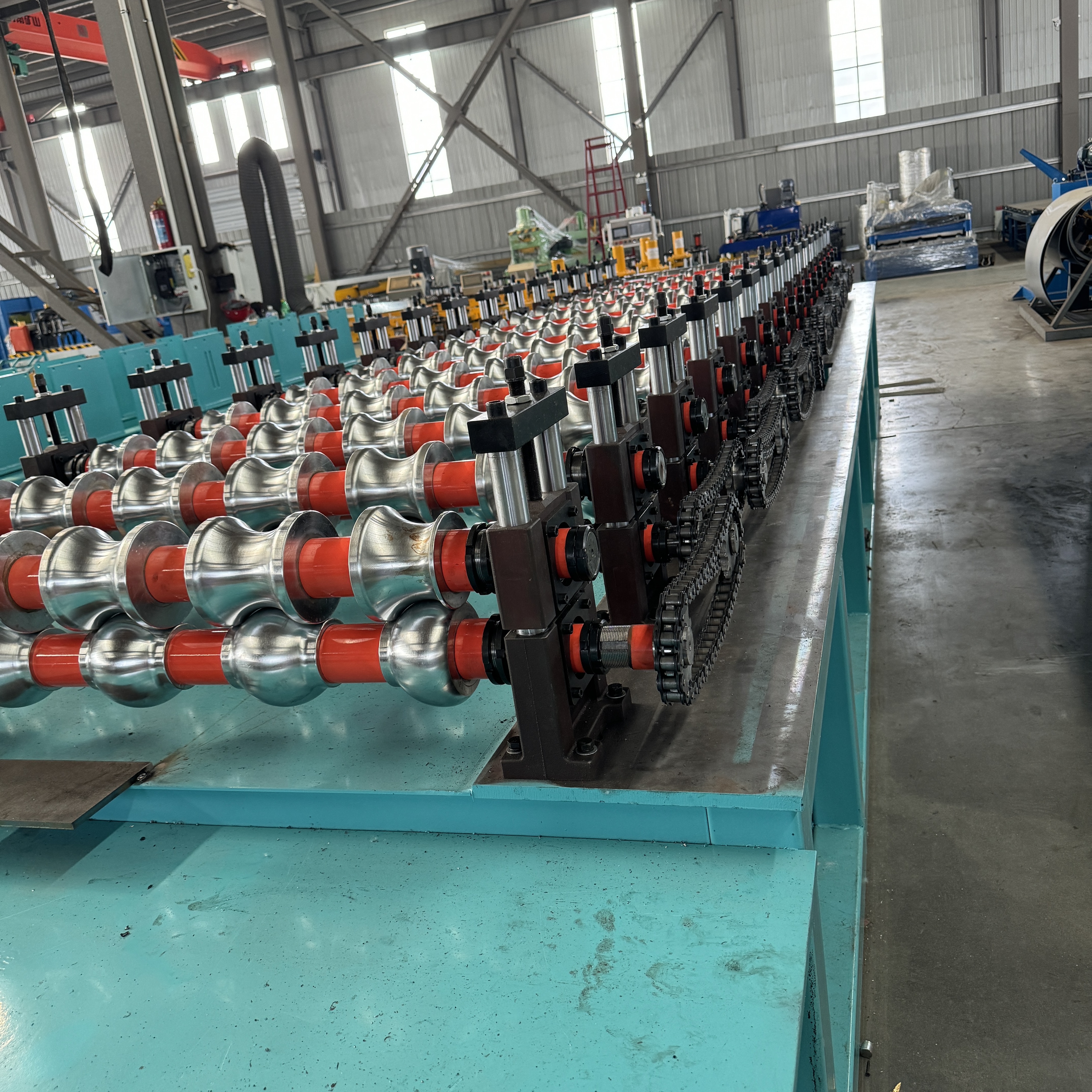
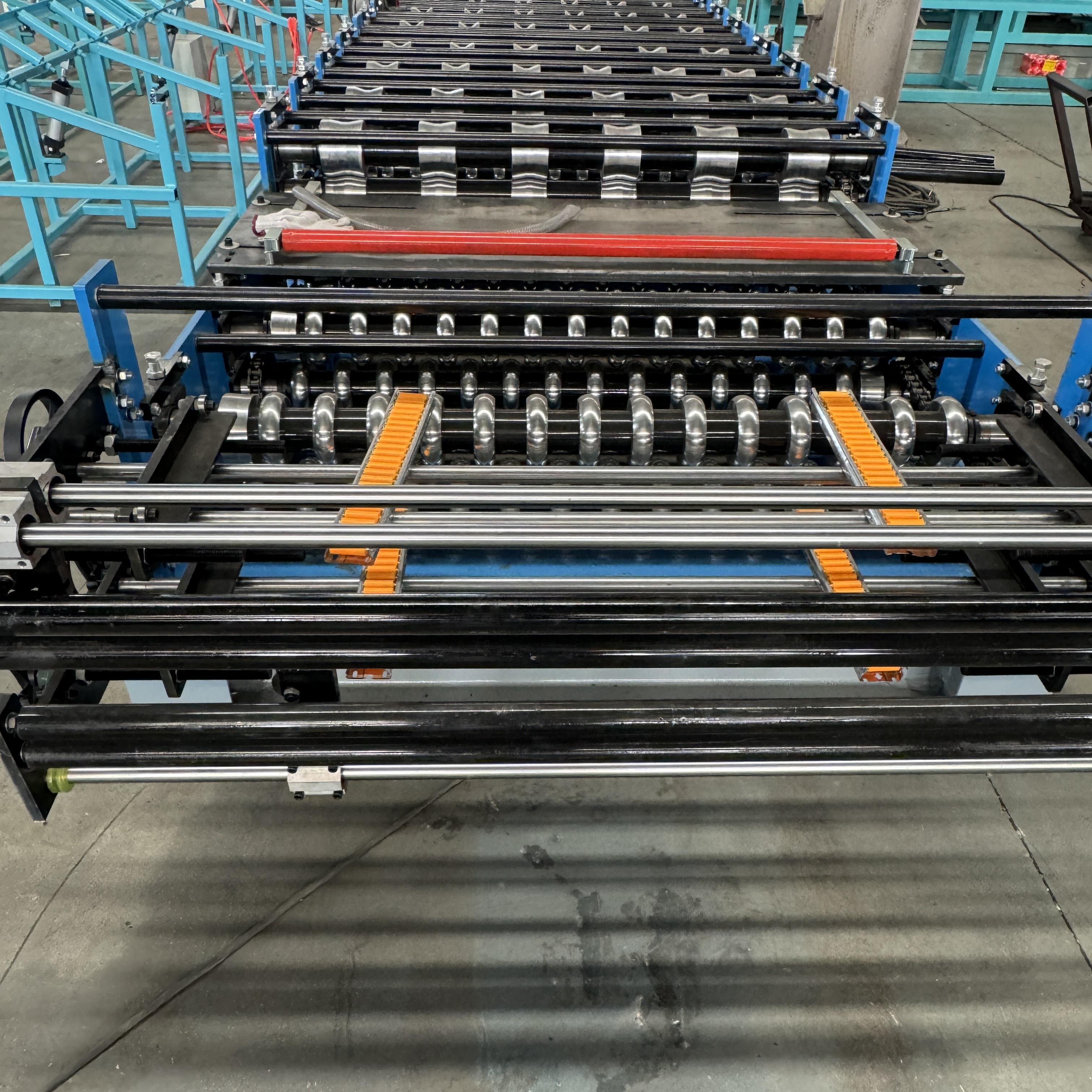
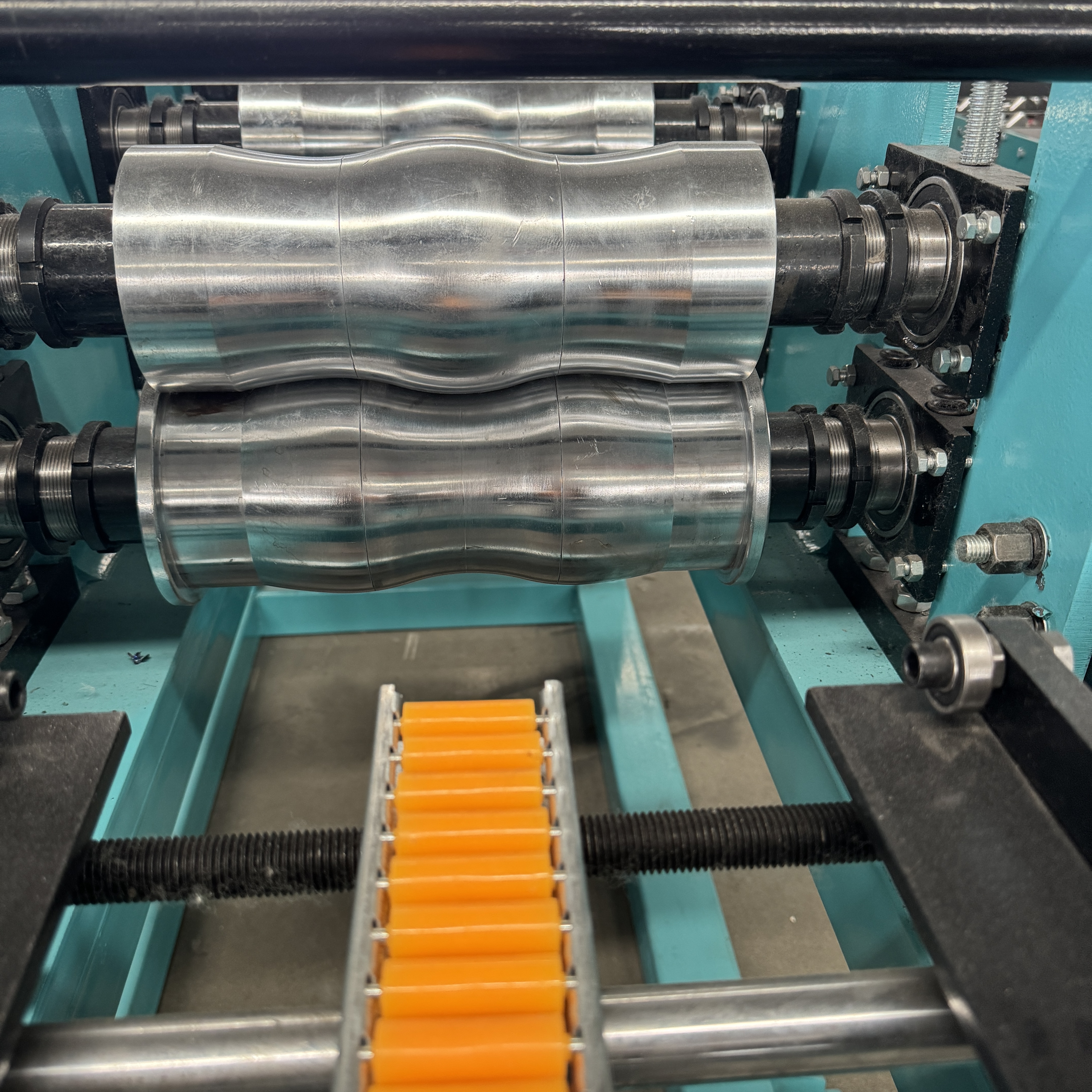
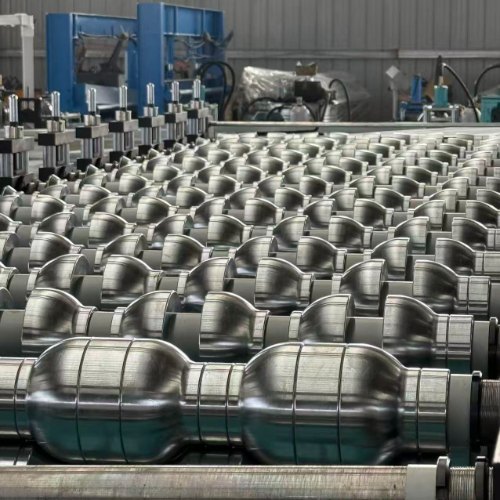
This is the heart of the machine. It consists of a series of paired rolling shafts. On these shafts, custom-designed forming rollers (or dies) are mounted.

Progressive Forming: The steel strip passes through each pair of rollers. Each station performs a small, incremental bend. The first few stations might start to crease the edges. Subsequent stations gradually fold the metal into a C-shape, a U-shape, or another complex profile.

Gear Box Drive: Each pair of shafts in the forming station is connected to a central drive shaft. This connection is made through a robust gearbox. The gears lock all rollers into perfect sync. This eliminates slippage, guaranteeing a consistent and high-quality product.

D. Punching and Notching Unit

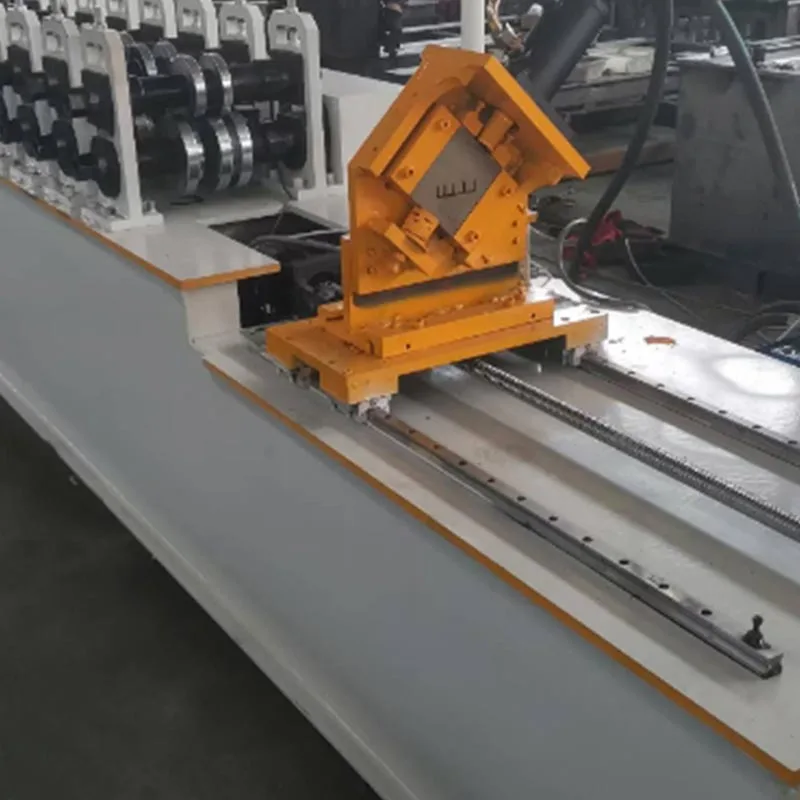
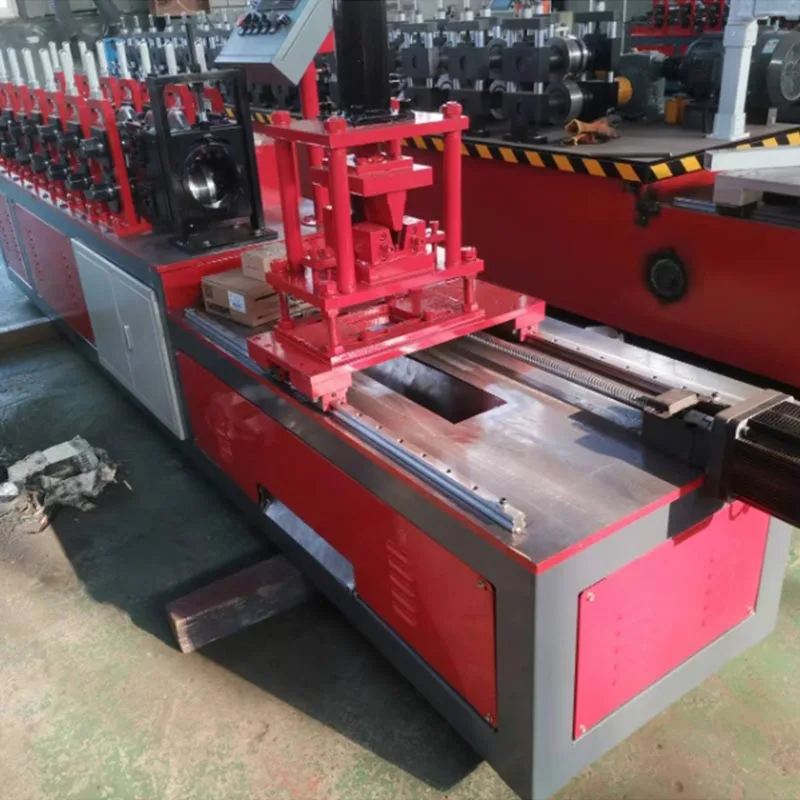
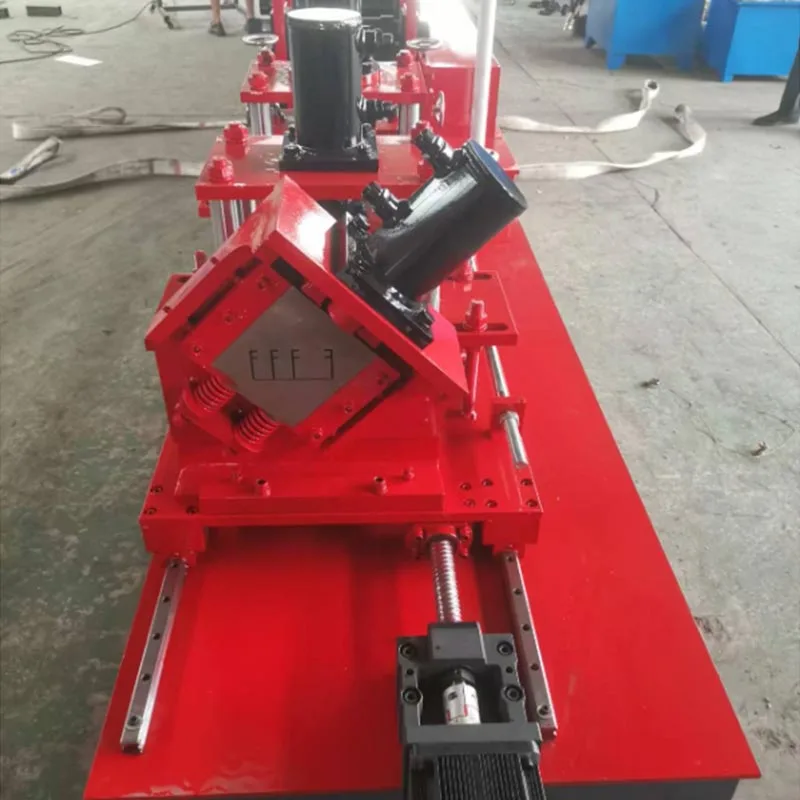
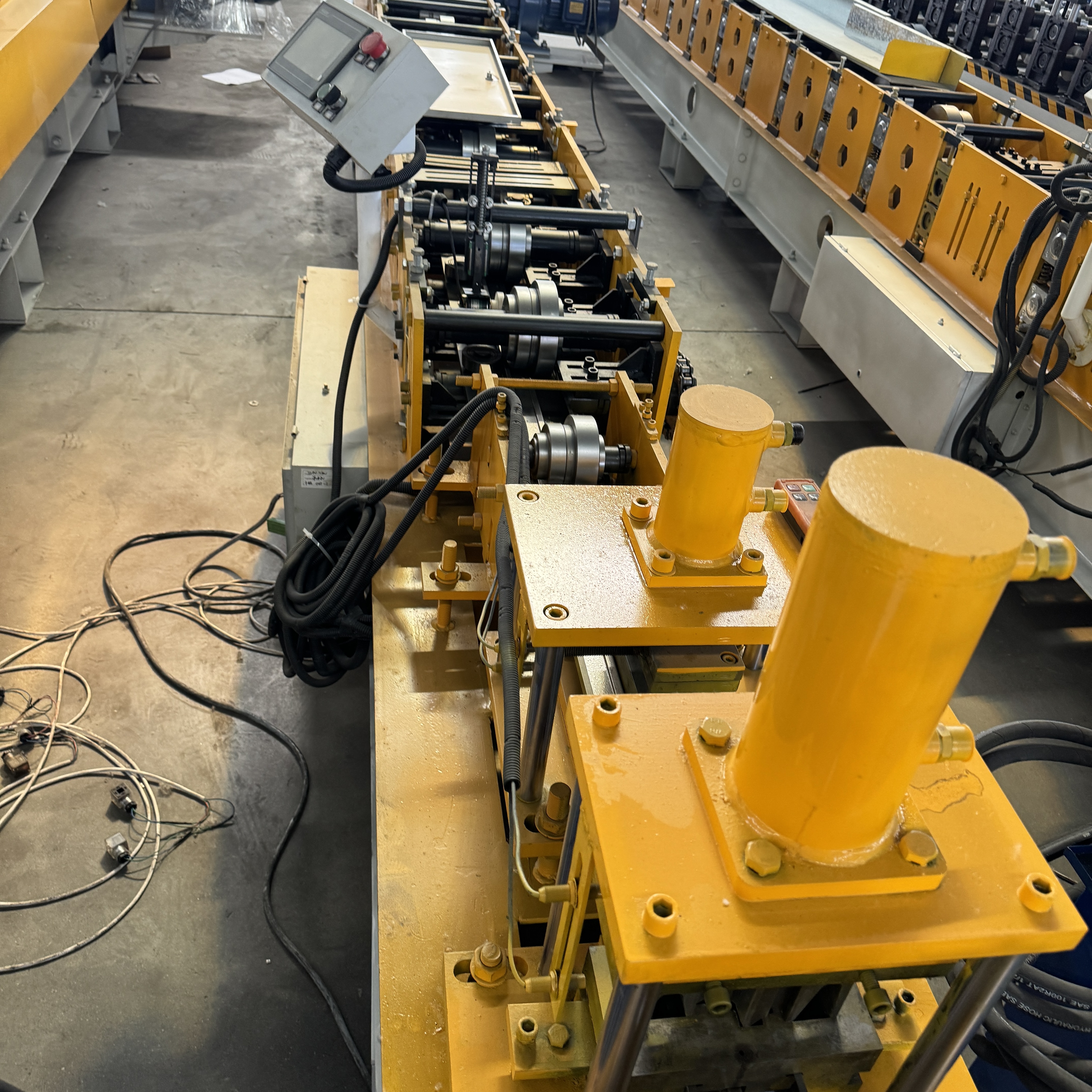
This Gear Box Driven Steel Roll Forming Machine often includes an integrated punching station. It uses hydraulic or servo-driven punches to create holes in the stud's web. This adds critical functionality beyond basic shaping.These holes are for electrical wiring, plumbing pipes, and mechanical ducts. Notching units can cut out sections at the ends of the studs. This allows for easier connection to tracks or other components.

E. Cutting System

Once fully formed, the steel is cut to length. This is done using one of two primary systems:

Flying Cut-Off: This is a high-speed system. The cutting unit moves synchronously with the moving profile during the cut. It then returns to its start position. This allows for continuous production without stopping. It is ideal for high-volume output.

Static Cut-Off: The machine stops briefly for each cut. A hydraulic shear or saw cleanly slices the profile. It's a simpler, robust solution that is slightly slower.

F. Control System (PLC & HMI)

A Programmable Logic Controller (PLC) is the machine's brain. An operator uses a Human-Machine Interface (HMI) touchscreen to control everything. The operator inputs parameters like:

Profile type (e.g., Stud, Track)、Desired length、Quantity、Punching pattern and spacing

The PLC executes these commands with high precision. It manages the decoiler, rollers, punches, and cutter.

G. Out-Feed Table / Run-Out Table

At the final stage, the cut-to-length pieces are conveyed out of the machine. They are then neatly stacked, ready for bundling and transport.

Conventional Parameters and Specifications

Essential specifications to consider:

Material Thickness (Gauge): It defines the machine's capability by the range of steel thickness it is compatible with, typically 0.4mm to 2.0mm (covering about 25 to 12-gauge).

Material Width: This parameter sets the limit for the deepest stud flange. A 150mm stud, for example, requires a coil roughly 300mm wide.

Forming Speed:It indicates how many meters of profile are produced per minute (mpm). Typical speeds range from 15 to over 45 mpm, directly influenced by the machine's power and design.

Roller Stations: The number of forming stages directly shapes product precision. More stations allow for smoother, more complex profiles. Basic machines have 12-16 stations; advanced models have 20 or more.

Shaft Diameter & Material: The shafts must be strong and rigid. High-quality machines use solid, high-carbon steel shafts. These are often hardened and ground for precision and long life. Common diameters are 65mm, 70mm, and 80mm.

Roller Material:The forming rollers offer exceptional wear resistance, achieved by using high-grade alloy steel (Cr12, Cr12MoV) and hardening them to HRC 58-62.

Main Motor Power: This is the drive motor's power in kilowatts (kW), which determines the machine's torque and capacity for thicker materials. Common ratings range from 5.5 kW to 22 kW or more.

Control System: The control system consists of the PLC (e.g., Siemens, Mitsubishi) and the HMI screen.

Punching Capacity: The performance of the punching unit, measured by its maximum holes per minute and its punching force (tonnage).

Key Advantages

The Gear Box Driven Steel Roll Forming Machine deliver substantial advantages over manual fabrication and alternative framing systems.

Extremely High Efficiency: One machine can churn out hundreds of meters of framing every hour. It automates the work of dozens of manual laborers.

Superior Precision and Consistency: Every piece produced is identical. This eliminates human error. It leads to faster, easier, and more accurate on-site assembly. Buildings go up straighter and truer.

Remarkable Strength and Durability: The gearbox drive system is incredibly robust. It is designed for heavy, continuous use in industrial environments. It has a long service life with minimal maintenance.

Great Flexibility: By changing the set of rollers (a "roll form"), the same machine can produce different profiles. A manufacturer can quickly switch from making studs to tracks or jambs. This adds tremendous production versatility.

Significant Cost Reduction: The initial investment is offset by a powerful return. The machine dramatically lowers labor costs, cuts material waste, and accelerates project completion, boosting overall profitability.

Improved Safety: The automation reduces the need for workers to handle sharp sheet metal with tools. This lowers the risk of cuts, strains, and other workshop injuries.

Primary Usage Scenarios

These Gear Box Driven Steel Roll Forming Machines are essential in any operation involving light steel framing.

Construction of Residential Buildings: These machines are commonly used to produce components for interior and exterior walls, floor joists, and roof trusses in residential and apartment buildings.

Commercial Construction: This machine is ideal for producing components for interior partitions, ceiling grids, and exterior curtain walls in commercial buildings such as offices, hotels, hospitals, and schools.

Industrial Construction: For building warehouses, factories, and other large-scale industrial structures where long spans and clean lines are required.

Cold-Formed Steel (CFS) Manufacturing Plants: These are the primary customers. The company specializes in manufacturing prefabricated wall panels, trusses, and other components for the construction industry.

Modular and Prefabricated Construction: This is a growing field. The precision of machine-made components is perfect for off-site modular construction, where panels are built in a factory and assembled on-site.

The Production Workflow

The process from raw material to finished product is a streamlined, continuous flow.

Step 1: Order and Programming

The operator transfers all order specifications—including profile dimensions, length, quantity, and punching patterns—from the purchase order directly into the machine's PLC using the HMI screen.

Step 2: Material Loading

After a forklift loads a coil onto the decoiler, the operator feeds the leading end through the leveling unit and into the first forming rollers.

Step 3: Machine Setup (Roll Change - if required)

Switching to a different profile requires the operator to change the forming rollers on the shafts—a process that represents the most time-consuming step in a changeover. Modern machines aim to make this process as quick as possible.

Step 4: The Forming and Punching Process

The operator starts the machine. The decoiler feeds the steel strip. During shaping, the punching unit simultaneously creates pre-programmed holes.

Step 5: Cutting to Length

The fully formed and punched profile reaches the cutting system. A flying cut-off system moves with the profile, makes a clean cut, and returns to its start position. The process is continuous.

Step 6: Output and Stacking

The finished pieces are conveyed out, stacked, bundled, and labeled, making them ready for shipment.

Step 7: Quality Control

To guarantee consistent quality, workers perform periodic checks on dimensions, shape, and hole placement against specifications. This ensures ongoing machine calibration and standard compliance.

Gearbox Driven Steel Roll Forming MachineGearbox Driven Steel Roll Forming MachineGearbox Driven Steel Roll Forming MachineGearbox Driven Steel Roll Forming Machine

Send Inquiry
Contact Info
Send an inquiry to Parfu to obtain pricing and project information for Roll Forming Machines, Sandwich Panel Machines, Roll Forming Machine Accessories. We guarantee a response within 24 hours.
Rating:
5.0
X
We use cookies to offer you a better browsing experience, analyze site traffic and personalize content. By using this site, you agree to our use of cookies. Privacy Policy
RejectAccept