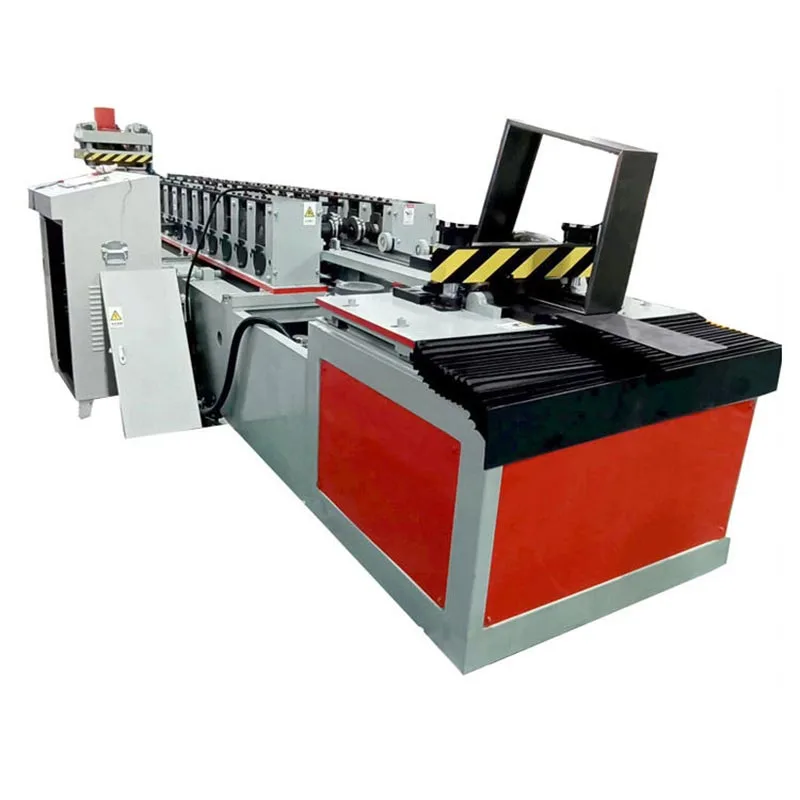
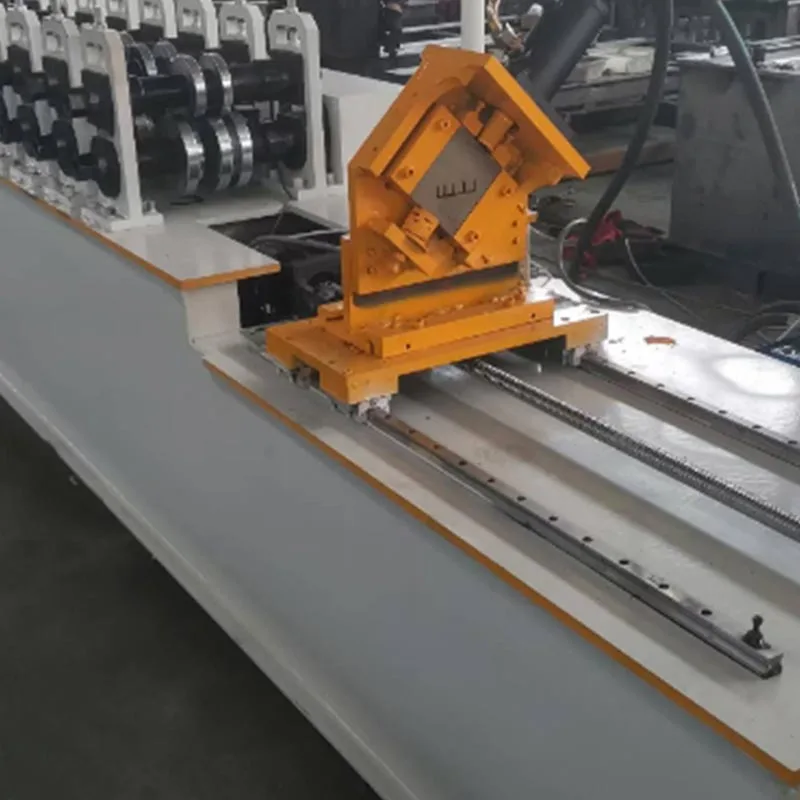
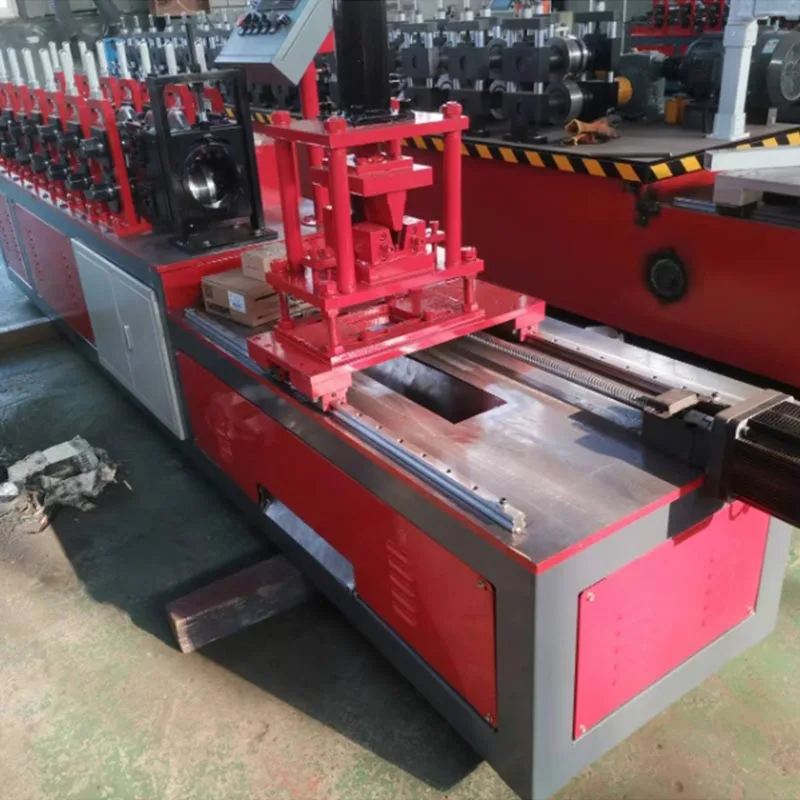
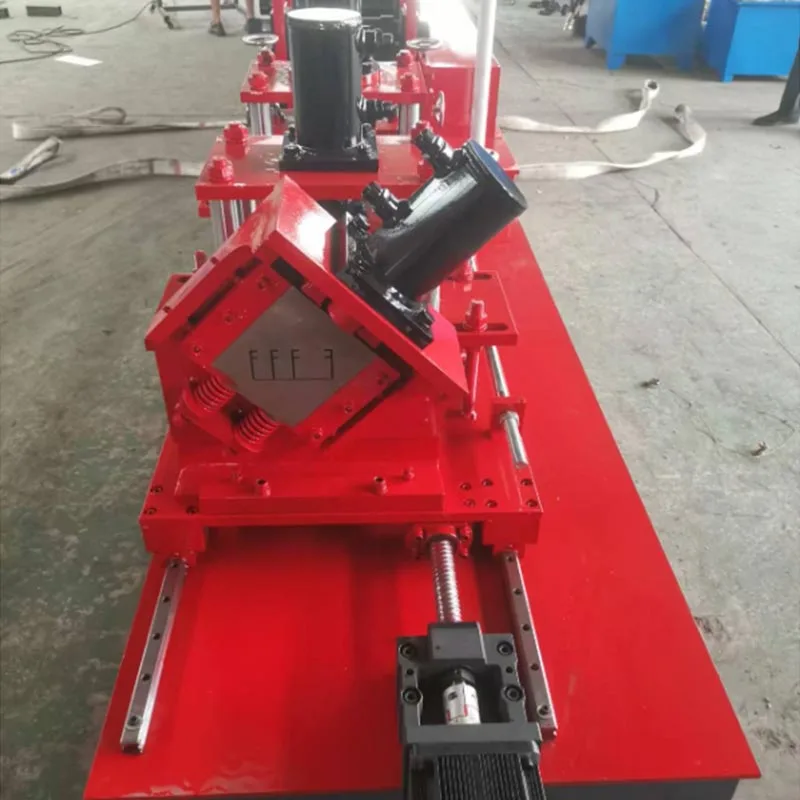
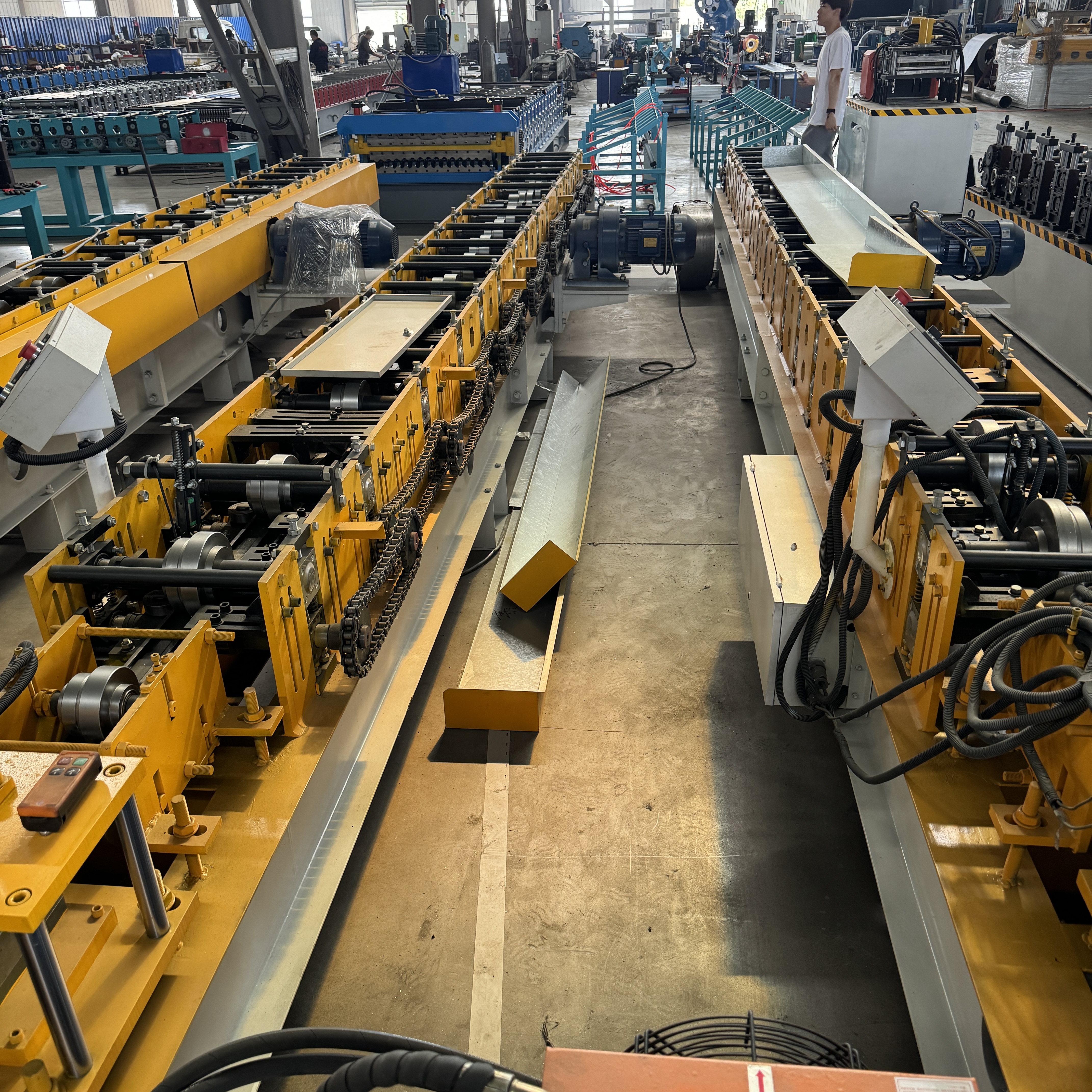
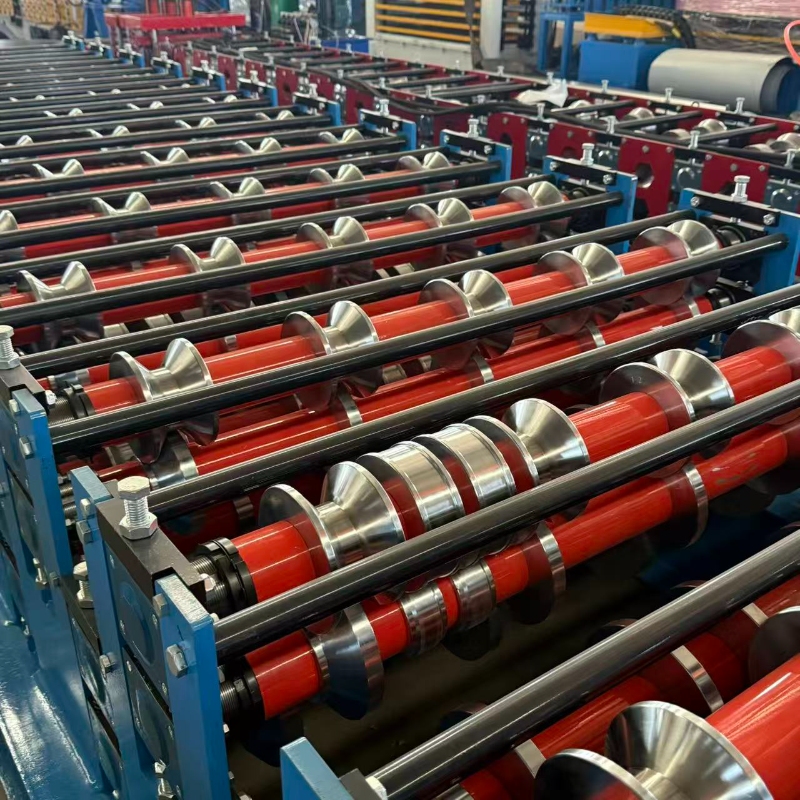
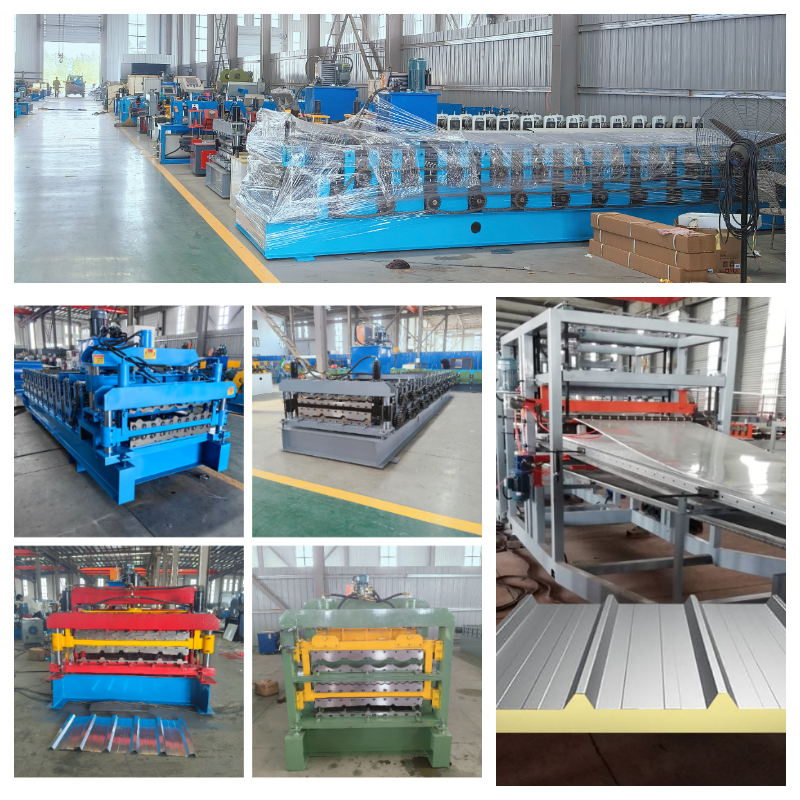
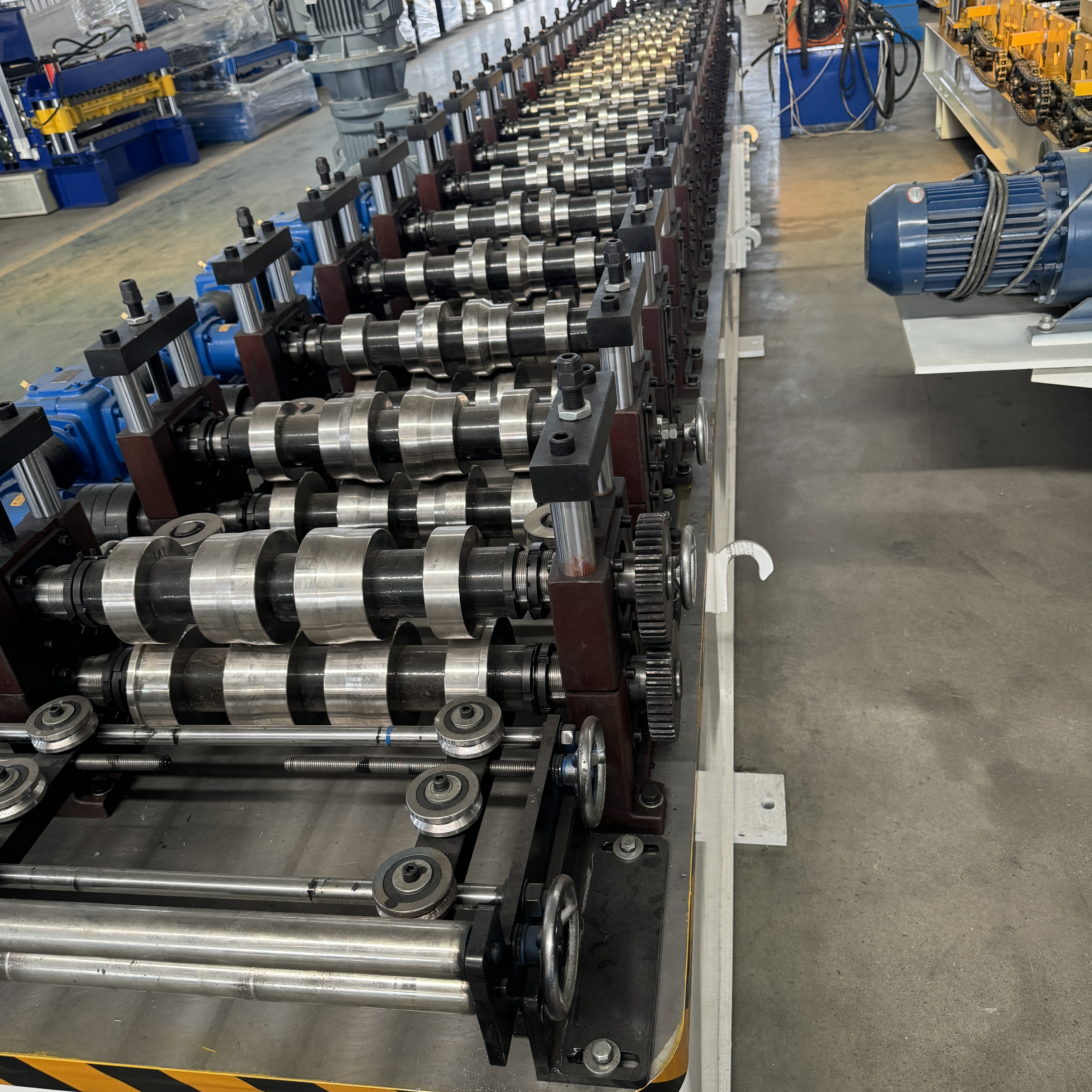
Light steel framing machines are specialized industrial equipment. They manufacture building components from thin, galvanized steel coils. These components are called light gauge steel studs or profiles. They form the skeleton for modern construction, serving as the metal equivalent of traditional wood framing. The process involves uncoiling, roll-forming, punching, and cutting the steel. This creates precise, long-lasting structural elements. This method is key to cold-formed steel construction. It provides a strong, durable, and non-combustible alternative to wood.
What types of machines do we have?
1. 50 Sets Of Light steel framing machines
It signifies a large-scale production setup or a complete package. It means a factory is equipped with 50 individual roll forming lines or stationsA "set" refers to a dedicated line for a single steel profile. Strategically using many sets enables mass production; possessing 50 indicates profound capability. Mass production relies on using many such sets. A company with 50 sets has immense capacity. It means that a wide assortment of components can be made at the same time.
2. 38-50mm Light Gauge Steel Stud Roll Forming Machine
This is a fundamental and highly common machine in the industry. It is designed to produce the primary vertical members, the studs, for walls and partitions. The "38-50mm" refers to the flange width of the C-shaped stud it creates. This machine typically forms the classic C-profile with a web and two flanges. It often includes a punching unit. This unit automatically creates service holes for electrical wiring and plumbing within the studs. It is the workhorse for standard wall framing in residential and commercial buildings.
3. Light Steel Snap-Lock Framing Machine
This machine produces specialized profiles for drywall construction. The unique feature is a "snap-lock" or "knock-down" connector on the flanges. This allows for the track (the U-channel) and the stud to interlock securely without screws. The system enables faster assembly on-site. This system significantly slashes labor time and costs. Its speed of installation makes it a preferred solution for interior partition walls and ceiling grids.
4. Triangular Light Steel Framing Machine
This machine produces triangular steel profiles for specialized bracing. Unlike standard studs, their geometry offers great strength and torsional rigidity. You will find them in roof trusses and other frameworks. They provide critical stability against diagonal forces.
5. Gearbox Driven Steel Roll Forming Machine
This machine uses a gearbox-driven power transmission system. Hardened gears transfer power from the main motor to every forming station. The design delivers immense power and offers great durability. It is built for heavy-duty, continuous operation. The system can handle thicker steel materials. It also maintains consistent performance under high load. These machines are favored for their long service life and ability to run with high torque at lower speeds.
6. Light Steel Keel Machine Two-in-one Machine
"Keel" is another term for a stud or profile. A two-in-one machine is a versatile and space-saving solution. It combines two different production functions into a single unit. A common option is a machine that produces both C-shaped studs and U-shaped tracks. This removes the need for two separate machines. It is ideal for smaller factories or projects. They can now flexibly produce a complete wall framing system. This approach avoids large investments in multiple dedicated production lines.
Where can this machine be used?
The choice of Light steel framing machines is dictated by the final application. Standard building construction relies heavily on the 38-50mm Stud Machine for walls. For jobs where speed is essential, the Snap-Lock Machine is the preferred tool. This applies to interior fit-outs. Meanwhile, the Triangular Machine serves specialized roles — such as in roofs and bracing. It is the solution when standard C-profiles fall short.
The Two-in-one Machine finds its place in smaller workshops or for specialized contractors who need to produce a full wall system (stud and track) without occupying the floor space of two large machines. It offers flexibility for varied but smaller-batch production.
The Gearbox Driven Machine is selected based on production demands and material specifications. It is the choice for high-volume, 24/7 manufacturing plants that work with thicker gauge steels. It contrasts with simpler chain-driven systems which might be adequate for lighter, intermittent production.
Key Differences Between Models
The differences can be summarized in their core function, output, and design.
Function: Some are for standard components (38-50mm Stud), others for specialized assembly (Snap-Lock) or structural purposes (Triangular).
A Two-in-one machine provides great versatility. On the other hand, a dedicated stud machine delivers optimized speed for a single profile. A full "50 Sets" plant offers massive volume and variety.
Design & Drive: The machine uses a Gearbox Driven system. This internal mechanism is built for strength and longevity. It is what sets the machine apart from lighter-duty alternatives.
CE Certification
The Light steel framing machines carries the CE mark. This shows it meets all essential health, safety, and environmental standards for the European Economic Area. It has been thoroughly assessed for risks. These include electrical safety, mechanical stability, and noise emissions. This certification serves as a guarantee. The equipment meets strict international standards for safe operation.
Machine Advantages
These Light steel framing machines offer compelling advantages that drive their global adoption.
A significant output of consistent, high-quality components is achieved. This is made possible by the machine's high-speed, continuous operation. The automation reduces the need for large manual labor teams.
The precision of roll-forming is a key benefit. Every profile produced has identical dimensions and geometry. This eliminates the inconsistencies common with wood, such as warping or shrinking. This leads to straighter walls. It allows for easier installation. It also means less material waste on site.
Steel is impervious to moisture, pests, and fire. These frames create more resilient structures with a longer lifespan. The result is a building that is both safer and more sustainable.
The machinery offers great flexibility for customization. Profiles can be tailored with specific hole patterns, precise depths, and custom flange widths. This meets unique architectural demands. Such adaptability makes light steel framing a versatile solution. It is suitable for a wide range of projects, from simple houses to complex commercial structures.