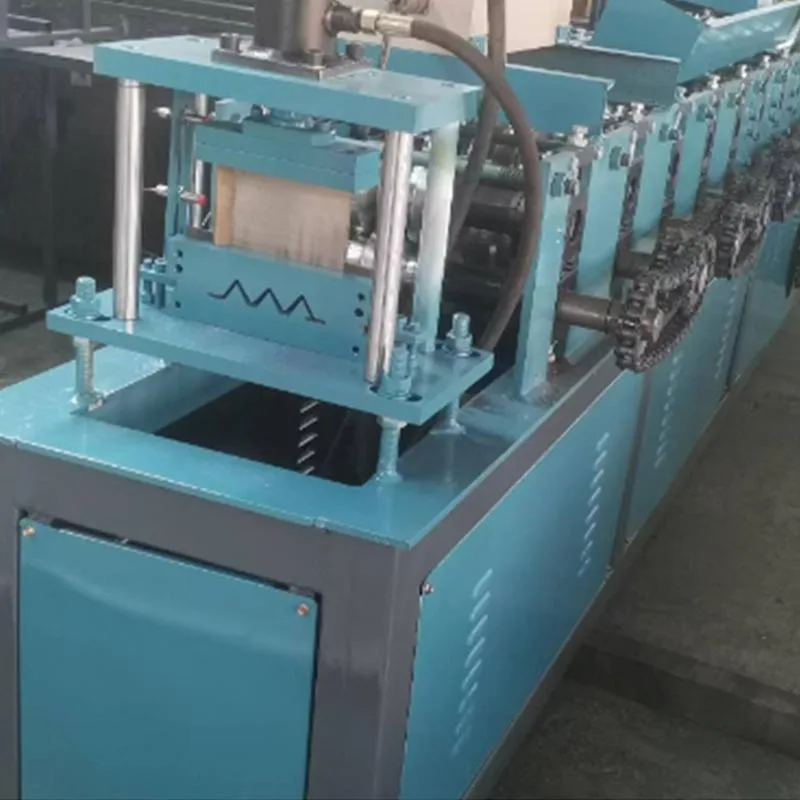
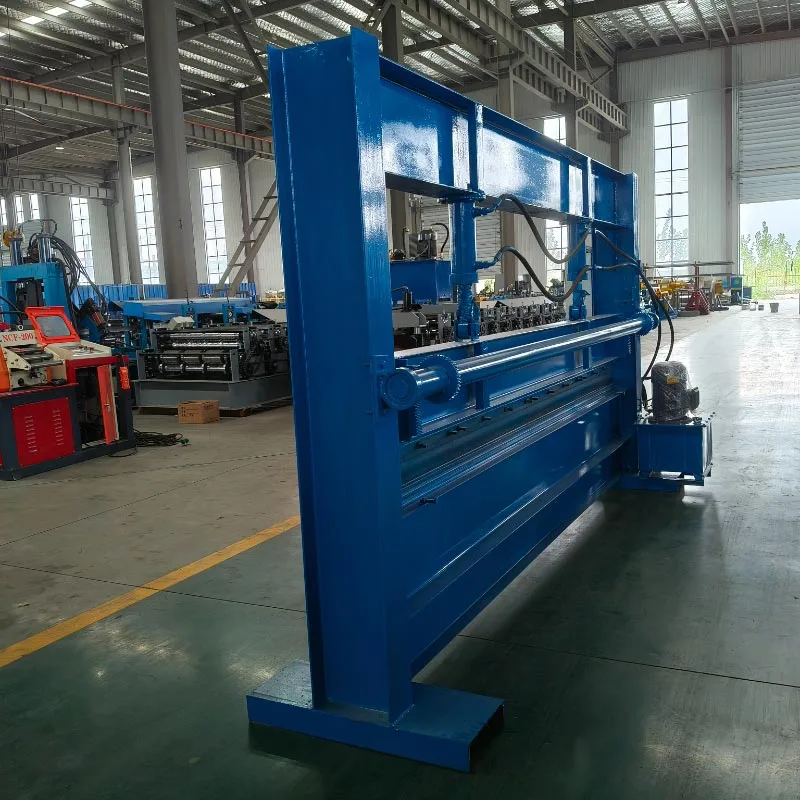
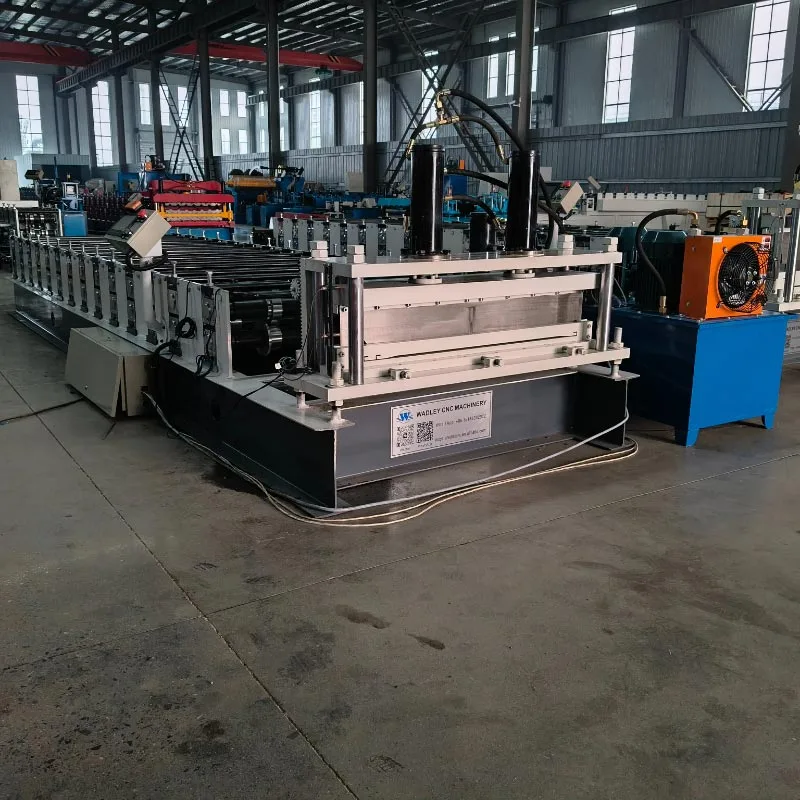
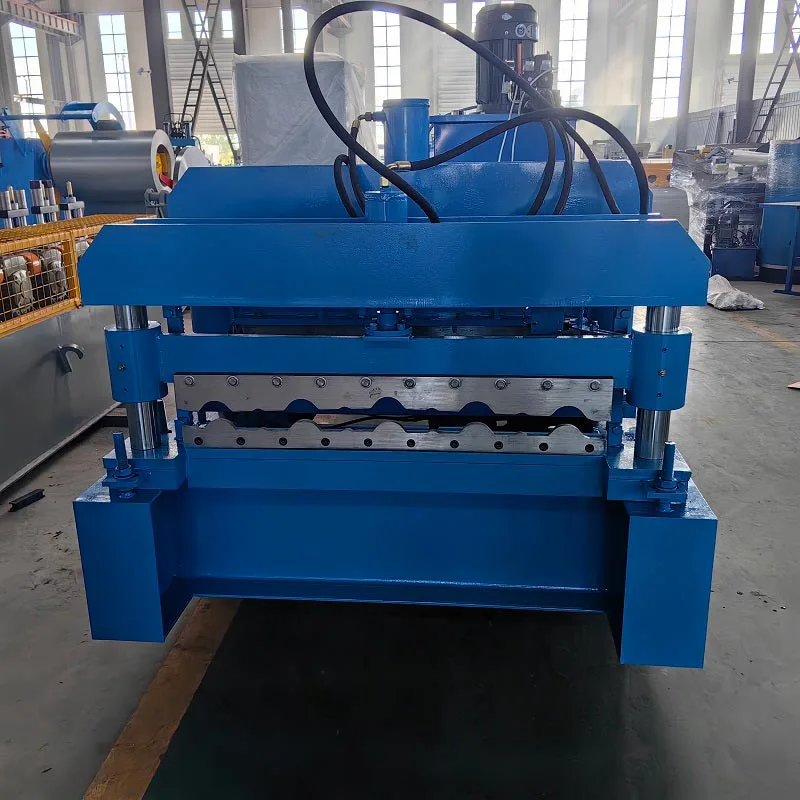
A Gusset Plate Roll Forming Machine plays a critical role in modern steel structure manufacturing, enabling continuous, accurate, and cost-effective production of gusset plates used in bridges, buildings, towers, and industrial frameworks. This in-depth guide explores how a Gusset Plate Roll Forming Machine works, why it outperforms traditional fabrication methods, and how manufacturers can leverage automation to improve quality and profitability.
A Gusset Plate Roll Forming Machine is a specialized cold roll forming system designed to manufacture gusset plates—flat or profiled steel plates used to connect beams, columns, and trusses in structural frameworks. Unlike traditional cutting and welding methods, this machine forms steel continuously from coil stock, ensuring uniform thickness, accurate dimensions, and consistent mechanical properties.
Manufacturers such as Parfu integrate advanced roll forming technology with punching, cutting, and optional embossing systems, allowing gusset plates to be produced at high speed with minimal waste.
2. Why Gusset Plates Matter in Steel Structures
Gusset plates are not minor accessories; they are load-transfer elements that directly affect the structural integrity of a building or bridge. Their accuracy determines:
Load distribution efficiency
Joint stability and fatigue resistance
Ease of on-site assembly
Compliance with engineering standards
A high-quality Gusset Plate Roll Forming Machine ensures every plate meets design tolerances, reducing risks caused by misalignment or inconsistent thickness.
3. How Does a Gusset Plate Roll Forming Machine Work?
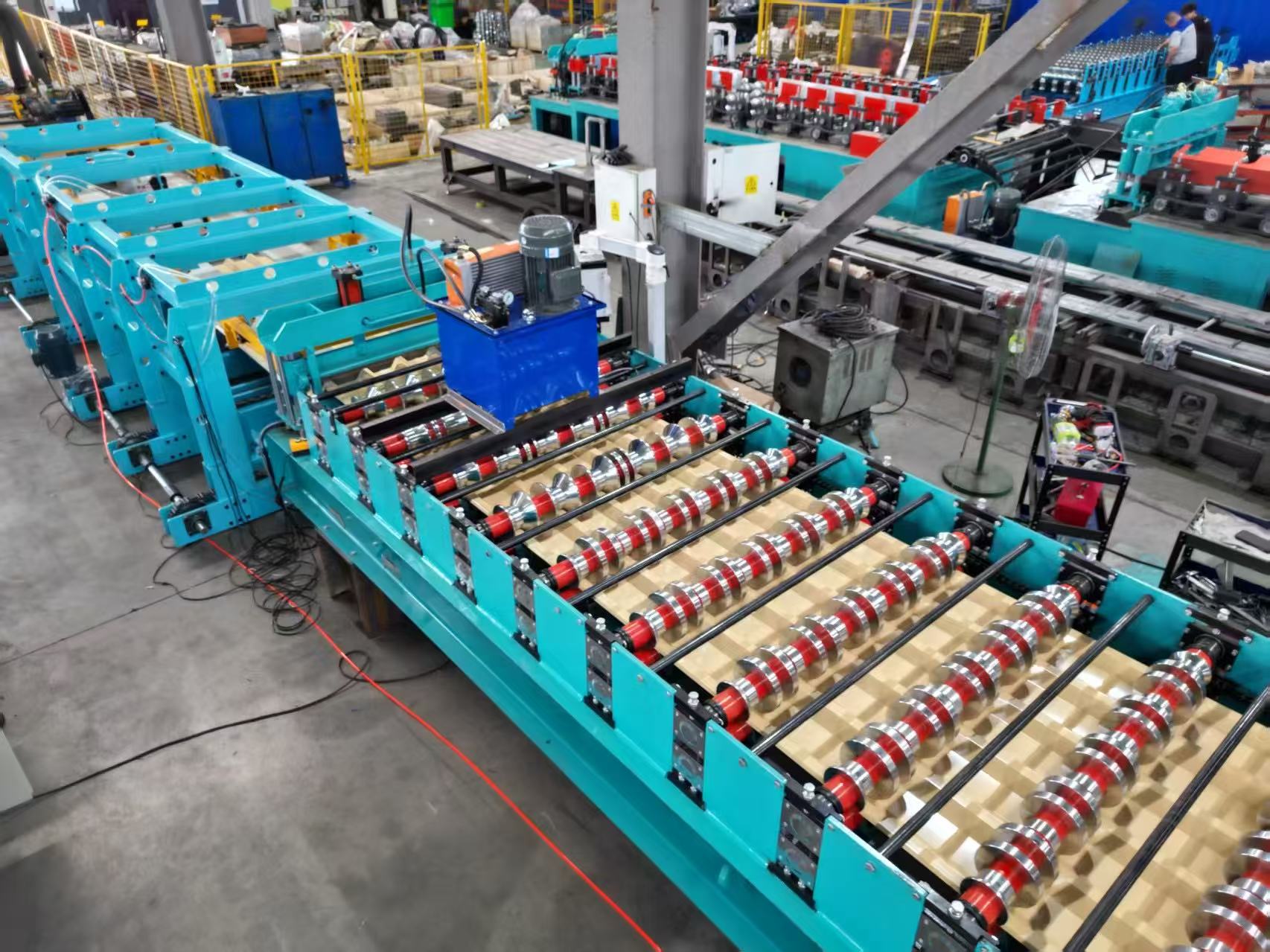
Steel Coil Feeding: Raw material is decoiled and leveled.
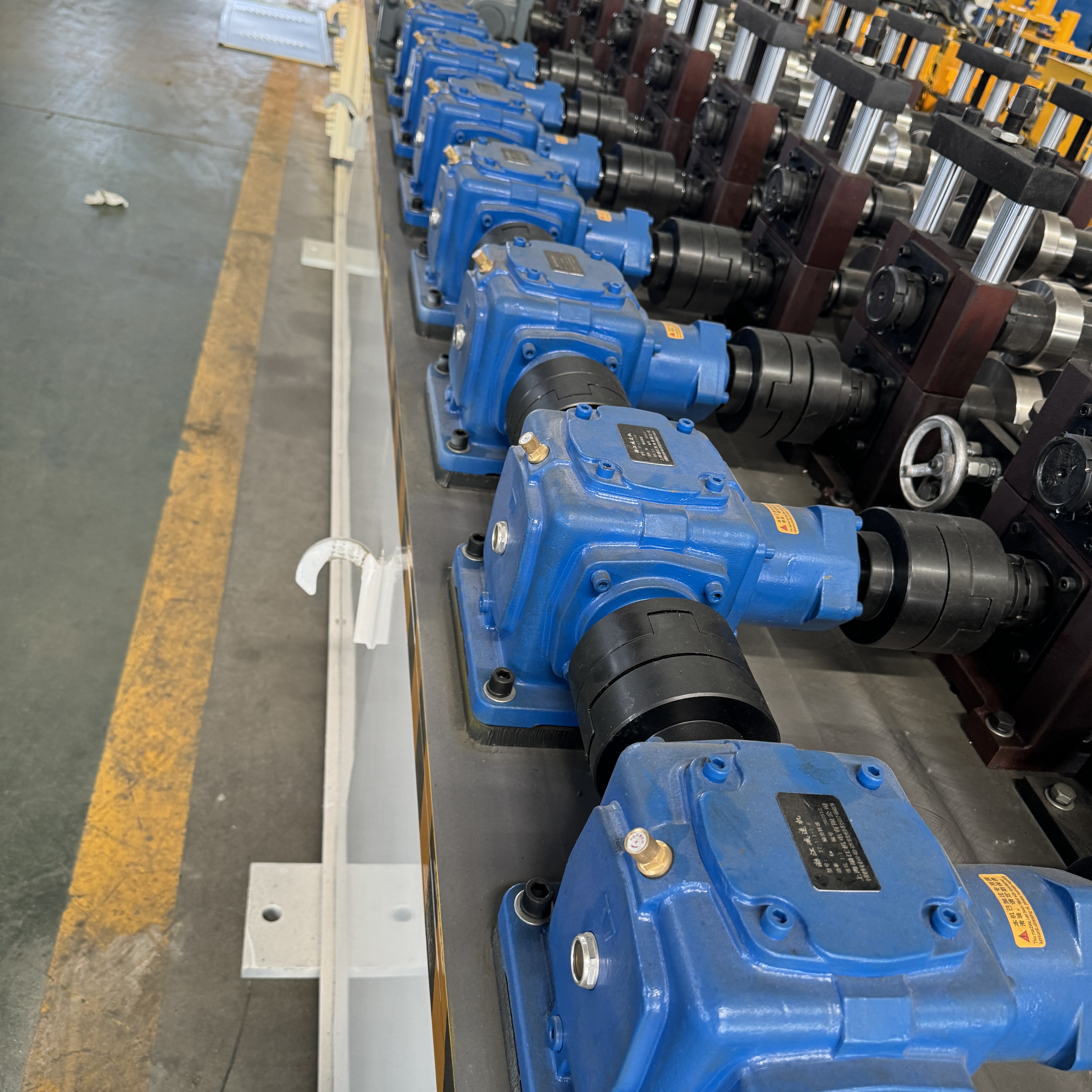
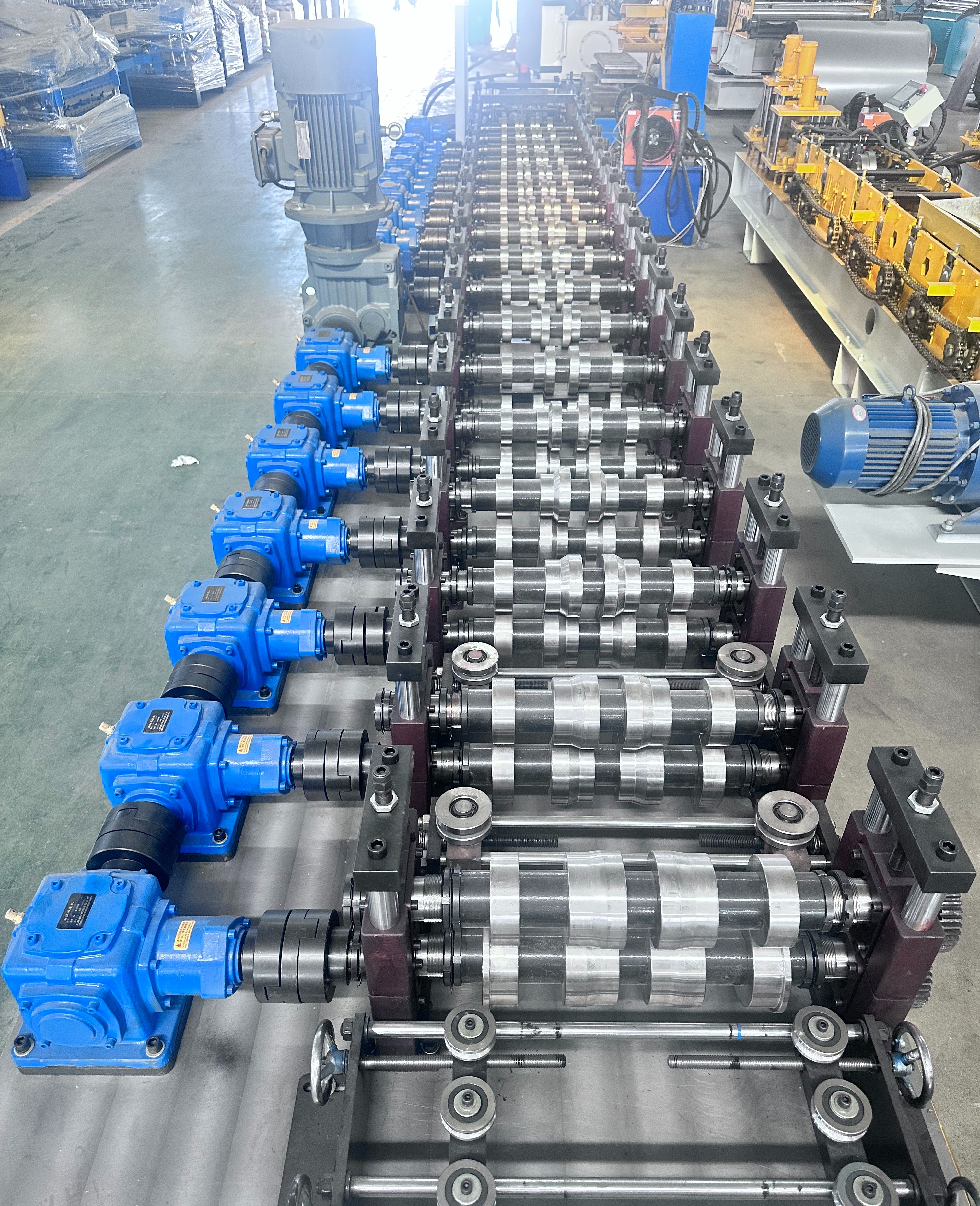
Progressive Roll Forming: Multiple forming stations gradually shape the plate.
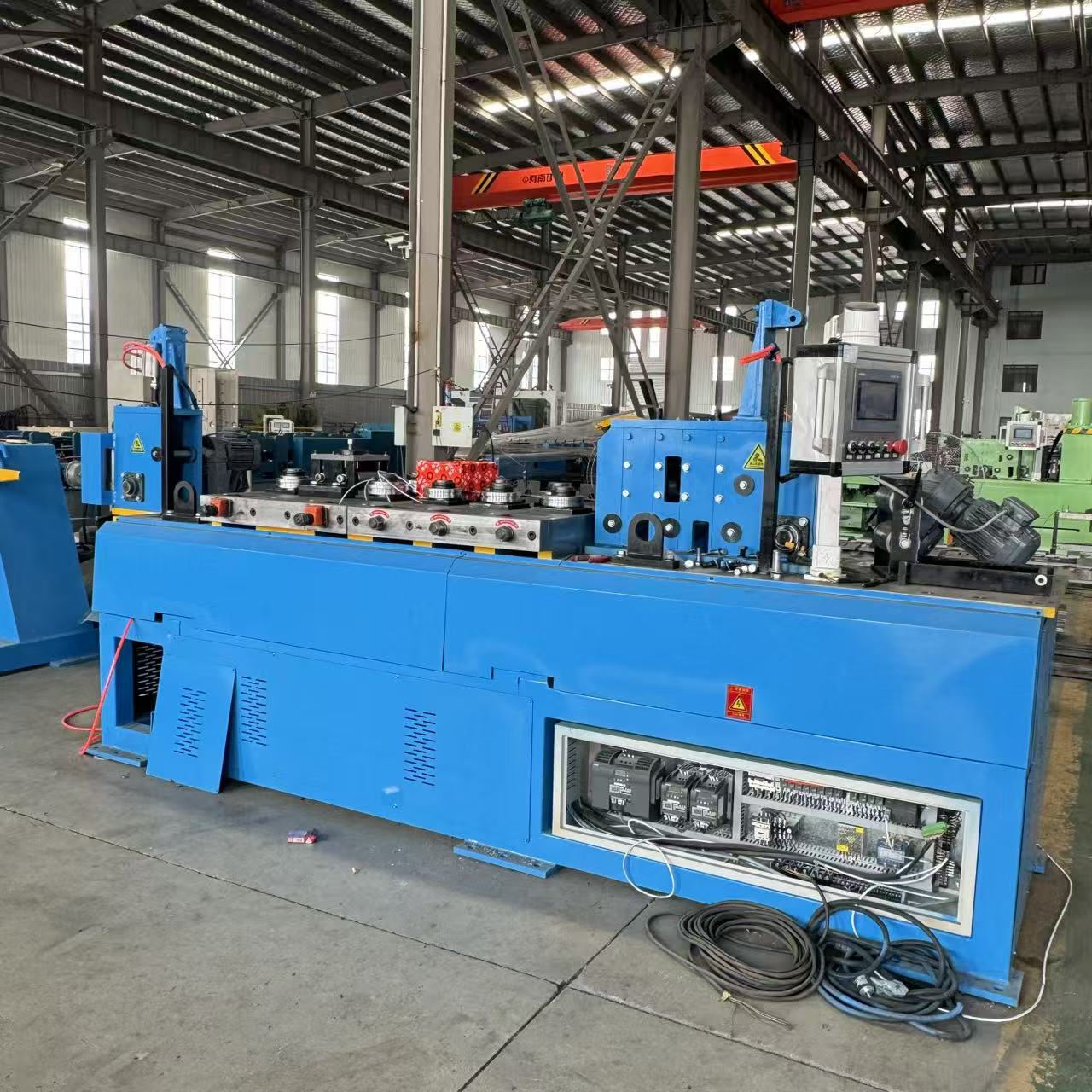
Punching or Slotting: Holes and slots are created inline for bolting or riveting.
Cut-to-Length: Plates are cut automatically according to preset dimensions.
Stacking or Conveying: Finished gusset plates are collected for further processing.
This continuous process eliminates repeated handling, making the Gusset Plate Roll Forming Machine significantly more efficient than batch fabrication.
4. Core Components of a Gusset Plate Roll Forming Machine
Component
Function
Decoiler
Holds and feeds steel coil smoothly
Leveling Unit
Ensures flatness before forming
Roll Forming Stations
Gradually shape the gusset plate profile
Punching System
Creates holes or slots inline
Hydraulic Cutting Unit
Accurate cut-to-length control
PLC Control System
Automation and precision management
5. Key Advantages Over Traditional Fabrication
Compared with plasma cutting or manual drilling, a Gusset Plate Roll Forming Machine offers:
Up to 70% reduction in production time
Consistent dimensional accuracy
Lower labor dependency
Reduced material waste
Better surface finish
For factories seeking scalability, roll forming is not just an upgrade—it is a strategic transformation.
6. Applications Across Industries
A Gusset Plate Roll Forming Machine is widely used in:
Steel structure buildings
Bridge engineering
Transmission towers
Industrial plants
Prefabricated construction systems
Its adaptability makes it suitable for both standardized mass production and customized engineering projects.
7. Technical Specifications and Capabilities
While specifications vary, most modern Gusset Plate Roll Forming Machines support:
Material thickness: 2.0–6.0 mm
Material types: Carbon steel, galvanized steel, high-strength steel
Production speed: 10–25 m/min
Hole accuracy: ±0.5 mm
8. How to Choose the Right Gusset Plate Roll Forming Machine
Before investing, consider:
Required plate dimensions and thickness
Annual production volume
Automation level
After-sales technical support
Experienced manufacturers like Parfu provide customized solutions, ensuring the machine aligns with real production needs rather than generic specifications.
9. Automation, Precision, and Cost Control
Automation is the defining advantage of a Gusset Plate Roll Forming Machine. With PLC control, operators can:
Switch product sizes quickly
Reduce human error
Track production data in real time
Over time, this translates into predictable costs, stable quality, and stronger competitiveness in the steel fabrication market.
10. Reference Product Resource
For detailed machine configurations and real-world examples, you can refer to this Gusset Plate Roll Forming Machine product resource, which provides technical insights into industrial roll forming solutions.
Frequently Asked Questions (FAQ)
Is a Gusset Plate Roll Forming Machine suitable for small factories?
Yes. With modular designs and scalable automation, even small or mid-sized manufacturers can benefit from improved efficiency and reduced labor costs.
Can one machine produce different gusset plate sizes?
Modern machines support adjustable widths and programmable lengths, making multi-size production feasible without long downtime.
How long is the service life of a Gusset Plate Roll Forming Machine?
With proper maintenance, high-quality roll forming machines can operate reliably for 15–20 years.
Does roll forming compromise plate strength?
No. Cold roll forming maintains material integrity and often improves consistency compared to manual fabrication.
In an industry where precision, efficiency, and scalability define success, investing in a Gusset Plate Roll Forming Machine is a forward-looking decision. If you are exploring customized roll forming solutions or want to understand how Parfu can support your production goals, contact us today to discuss your project and unlock new manufacturing potential.
We use cookies to offer you a better browsing experience, analyze site traffic and personalize content. By using this site, you agree to our use of cookies. Privacy Policy