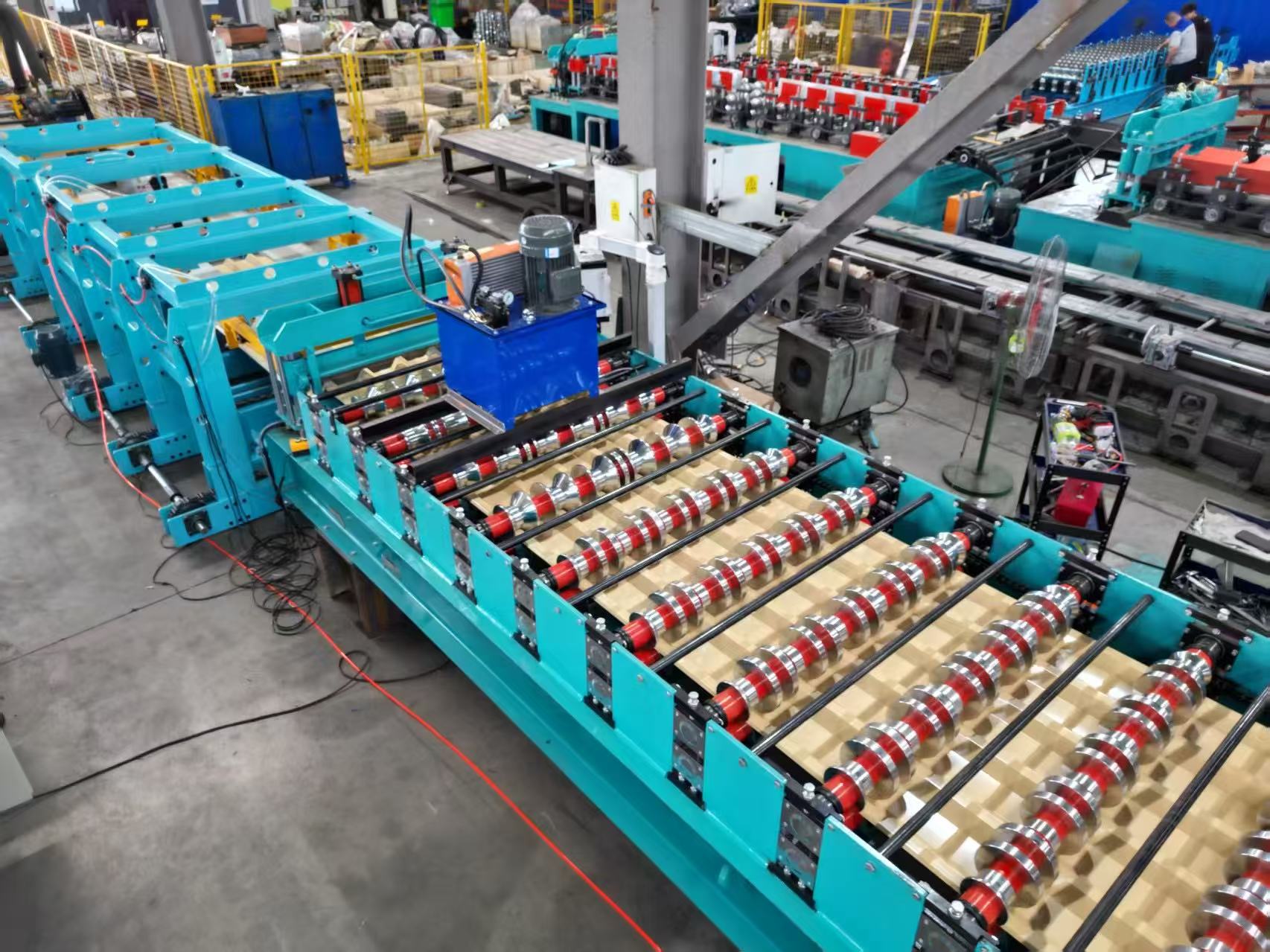
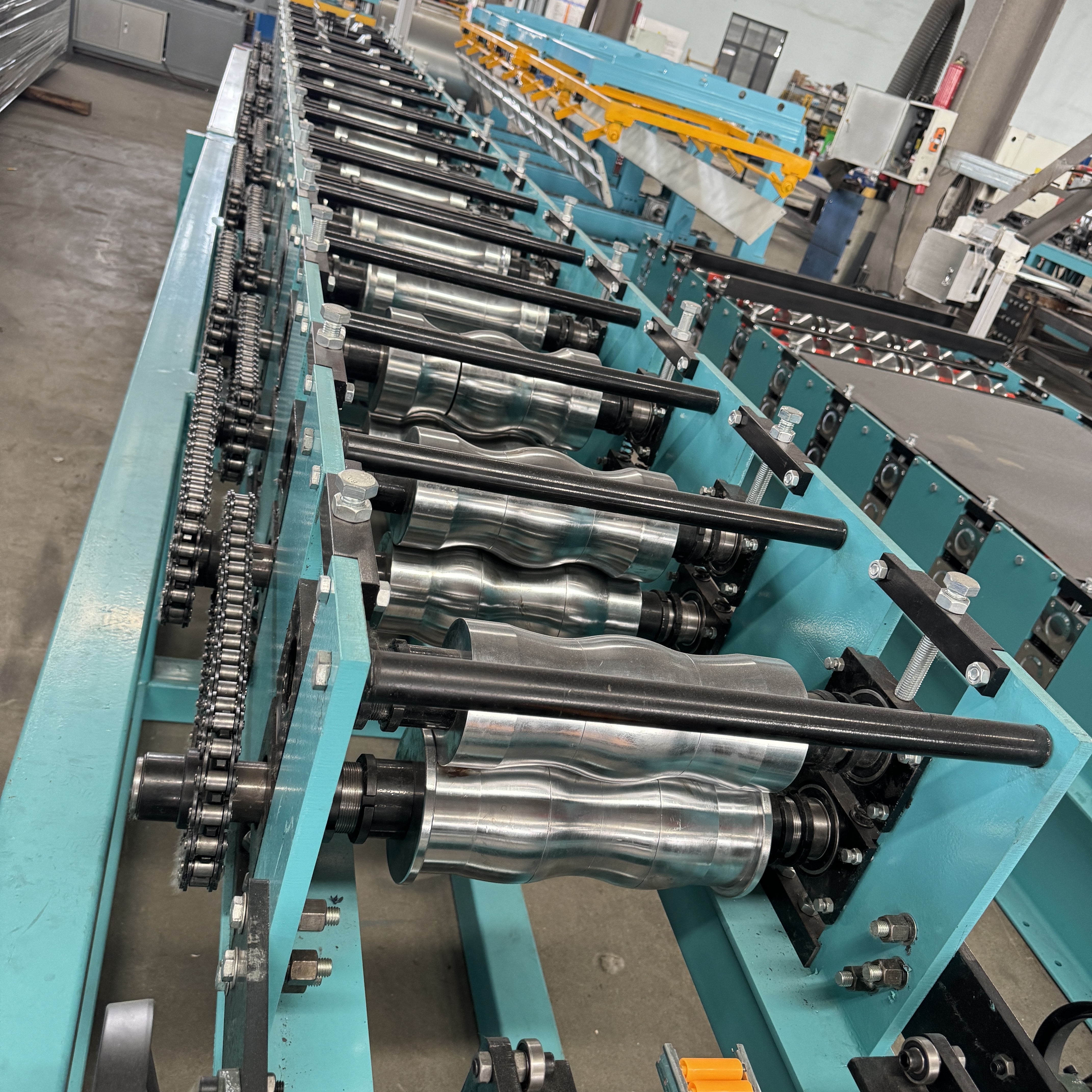
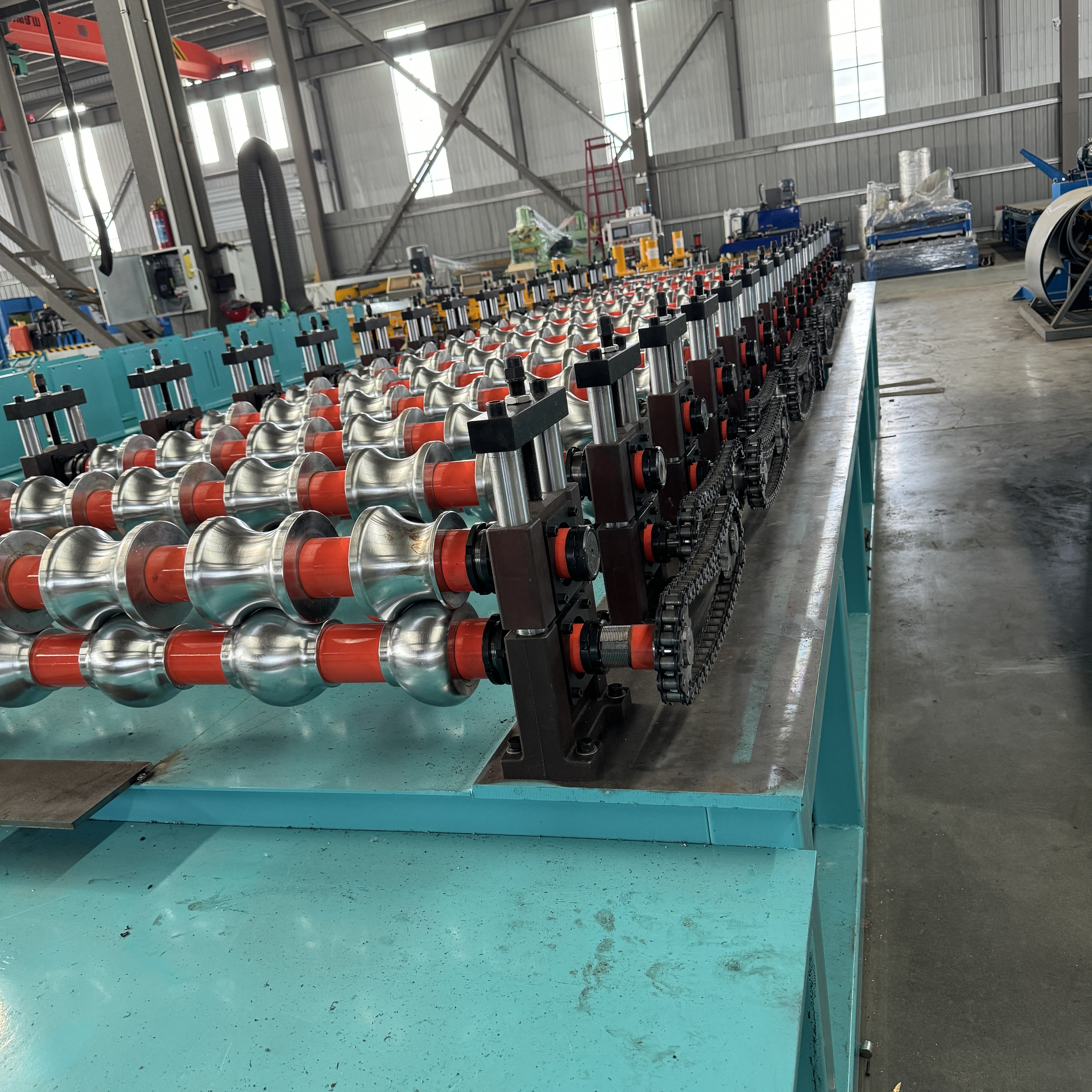
. Define Your Profile Specifications and Material Requirements
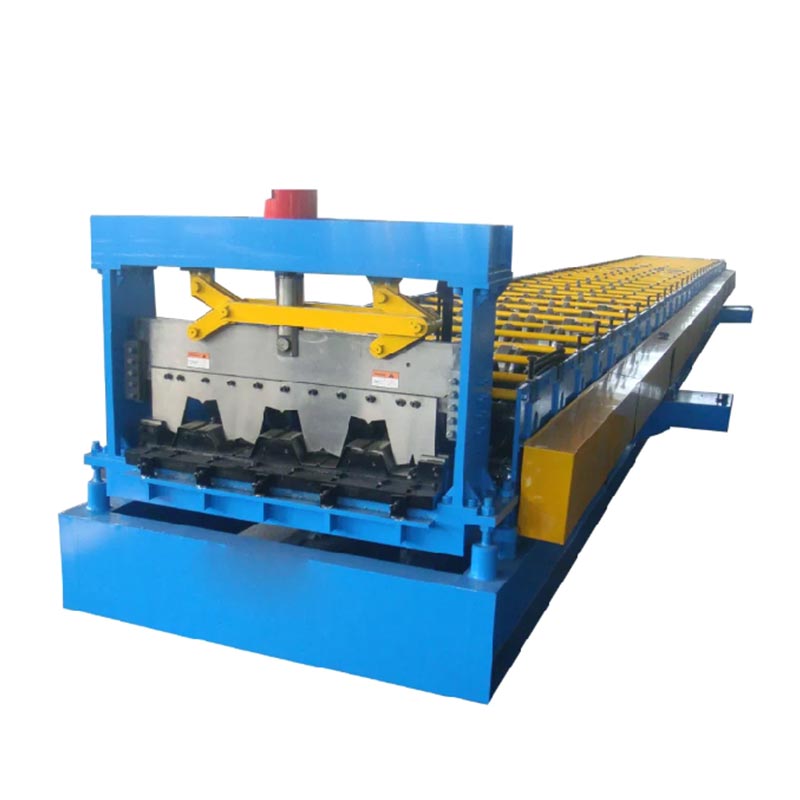
Before browsing the market for a metal roll forming equipment, you must clearly define your end-product geometry and raw material specifications. Different profiles—such as C/Z purlins, roofing sheets, or complex architectural shapes—require specialized tooling designs.
Material Thickness and Yield Strength: Ensure the selected roll forming machine can handle your maximum coil thickness and steel grade without spring-back or structural distortion.
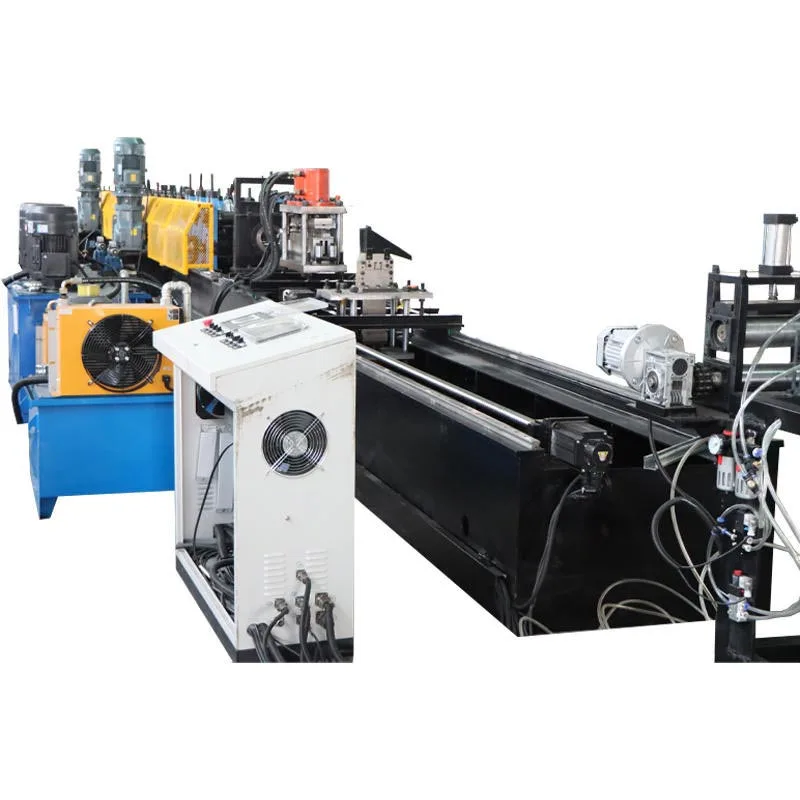
Punching and Cutting Integration: Decide whether your profile requires pre-punching, post-cutting, or automatic length adjustments to streamline your workflow.
2. Evaluate Production Capacity and Line Speed
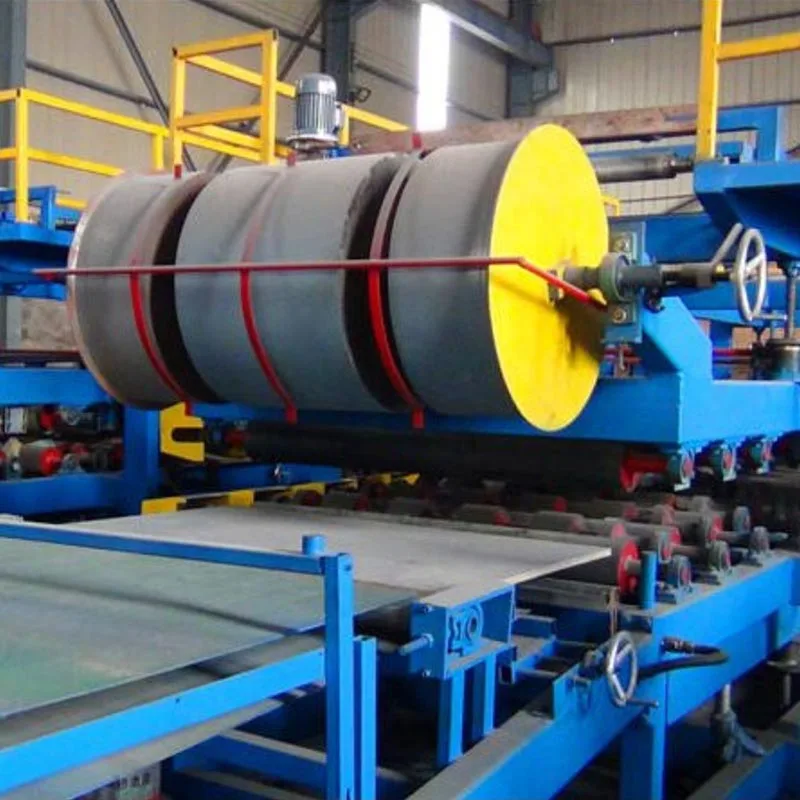
Efficiency directly impacts your bottom line. Modern cold roll forming machine units offer varying operating speeds, typically ranging from 15 to 30 meters per minute depending on profile complexity. Evaluate your daily output targets to determine whether a standard single-layer line or a high-efficiency double-layer roll former is best suited for your factory floor.
3. Focus on Build Quality, Rollers, and Drive Systems
The longevity of your steel profile manufacturing machine heavily depends on its mechanical engineering and material grade:
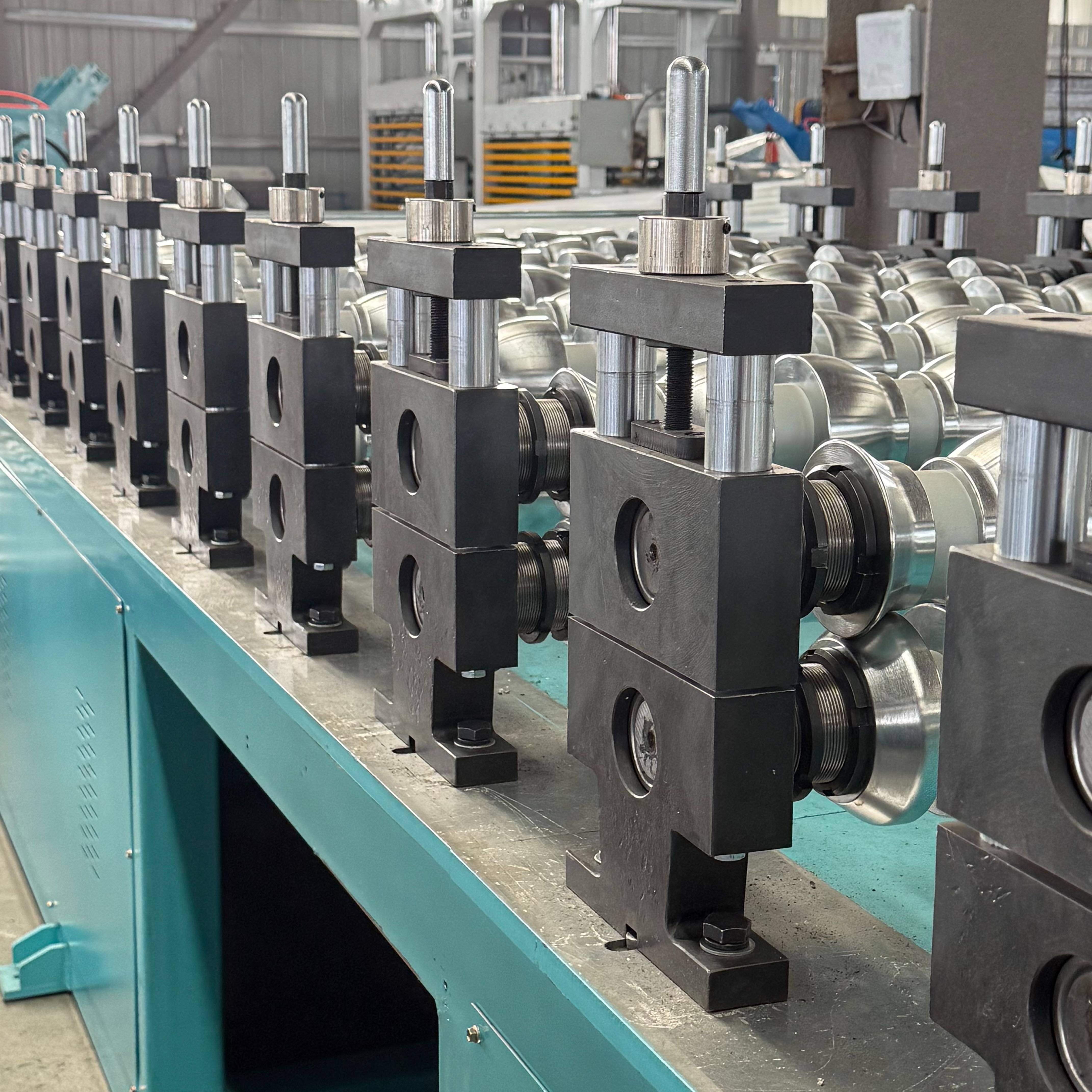
Roller Material: High-grade GCr15 or 40Cr alloy steel, precision-machined and chrome-plated, ensures minimal wear over millions of operational cycles.
Transmission System: Gearbox-driven or heavy-duty chain systems provide stable torque distribution, reducing slippage and ensuring consistent profile tolerances.
4. Partner with a Trusted and Experienced Manufacturer
Choosing the right equipment goes beyond the hardware—it requires reliable technical support, spare parts availability, and custom engineering capabilities. Working with experienced global suppliers likeParfu Machinery Productsguarantees that your investment is backed by expert commissioning, professional installation guidance, and responsive after-sales service.
Conclusion & Call to Action
Selecting the optimal custom profile roll former requires careful balancing of technical precision, structural durability, and long-term operational costs. By partnering with industry experts, you can future-proof your production capabilities and stay ahead of market competition.
We use cookies to offer you a better browsing experience, analyze site traffic and personalize content. By using this site, you agree to our use of cookies. Privacy Policy