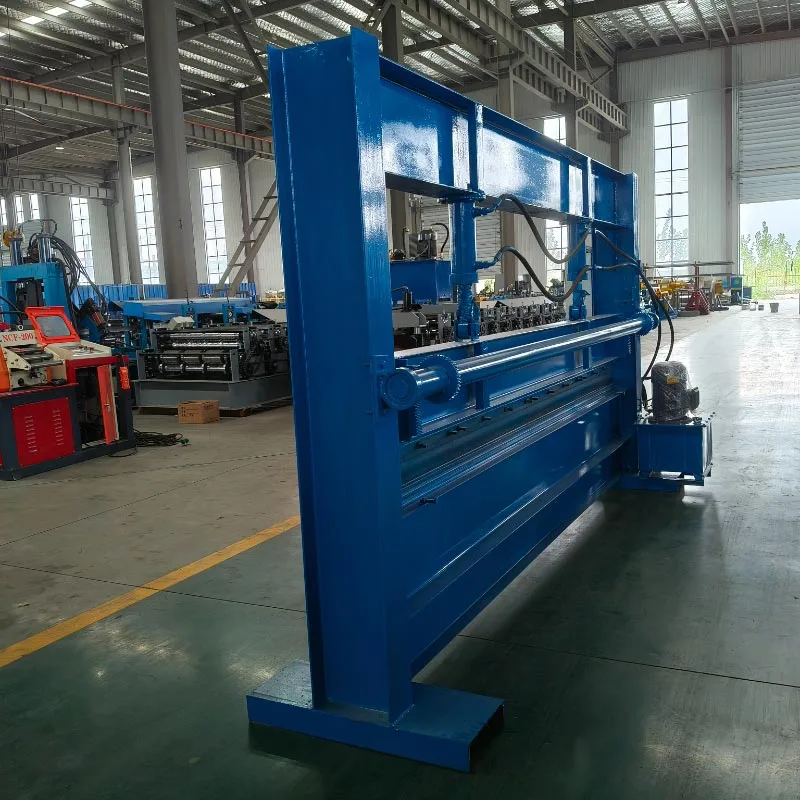
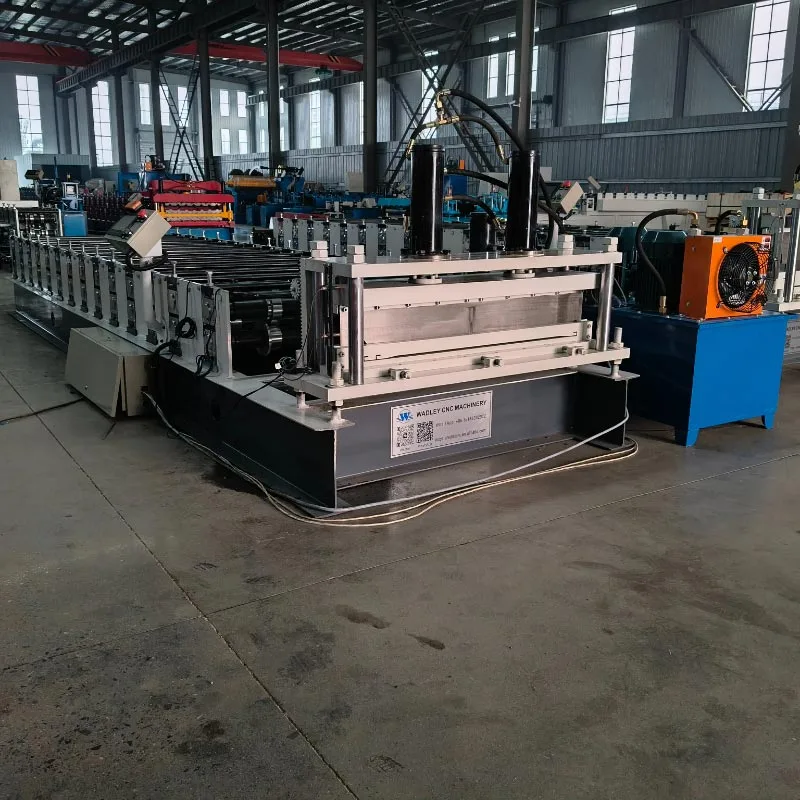
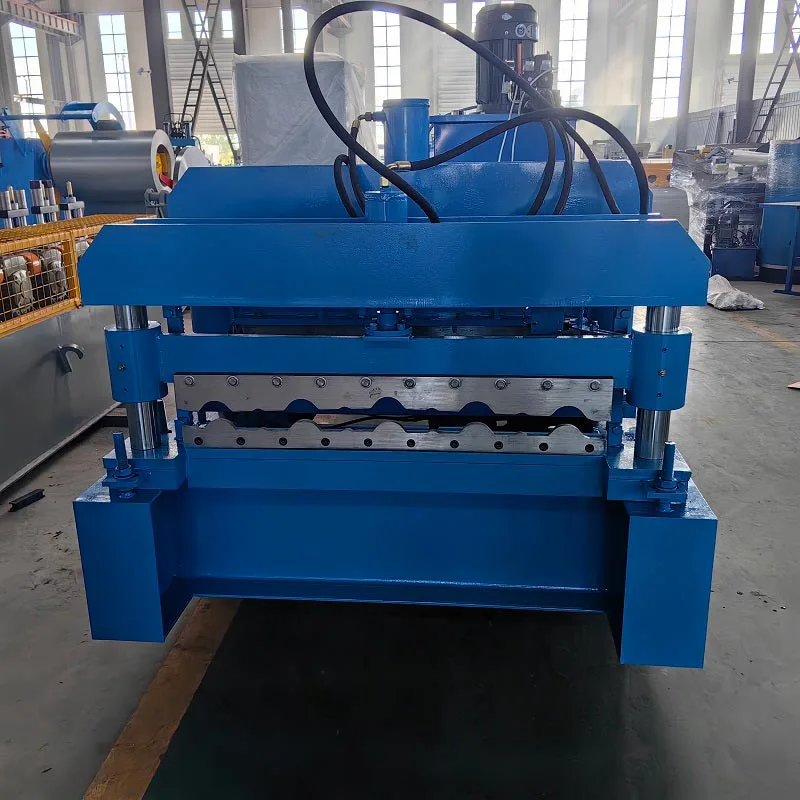
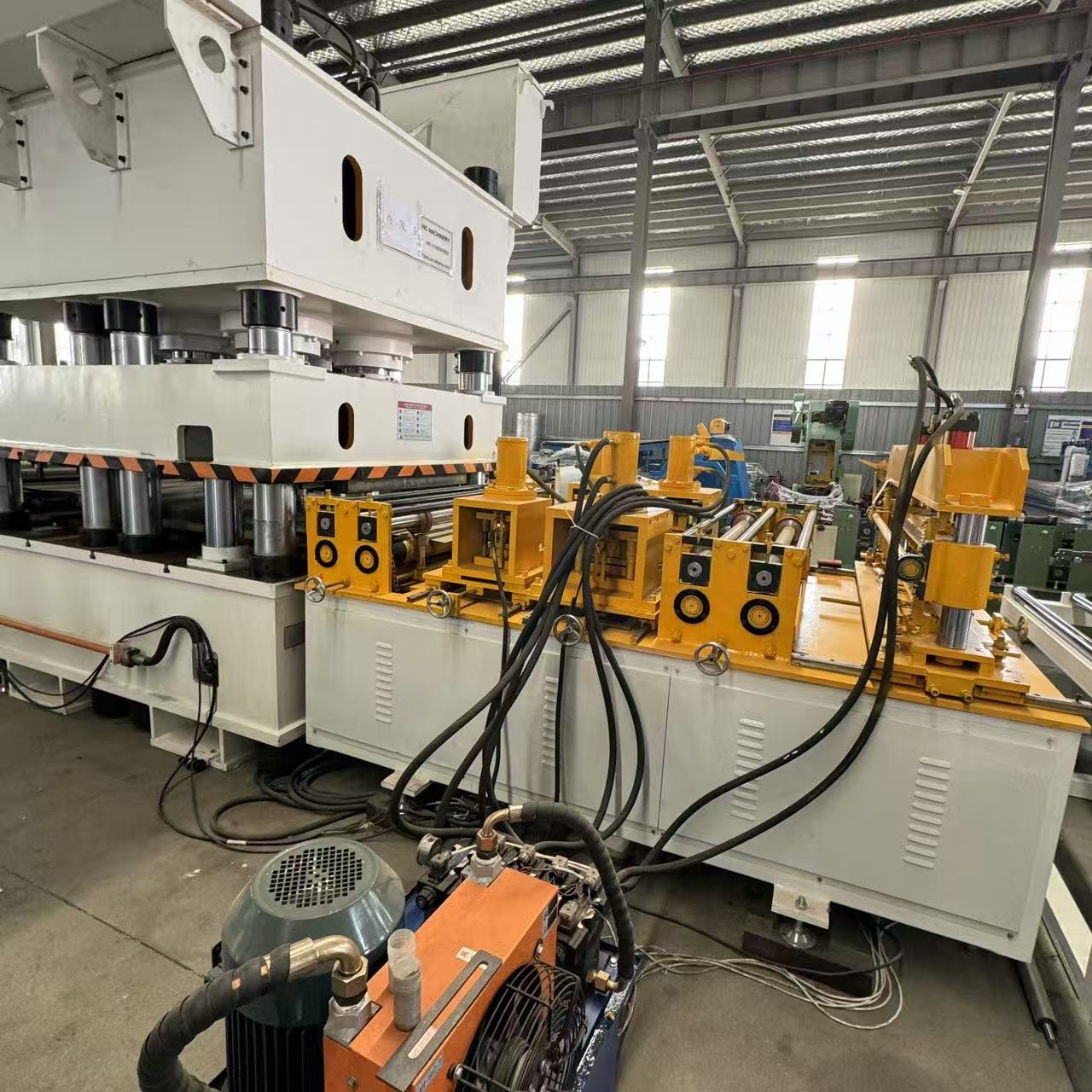
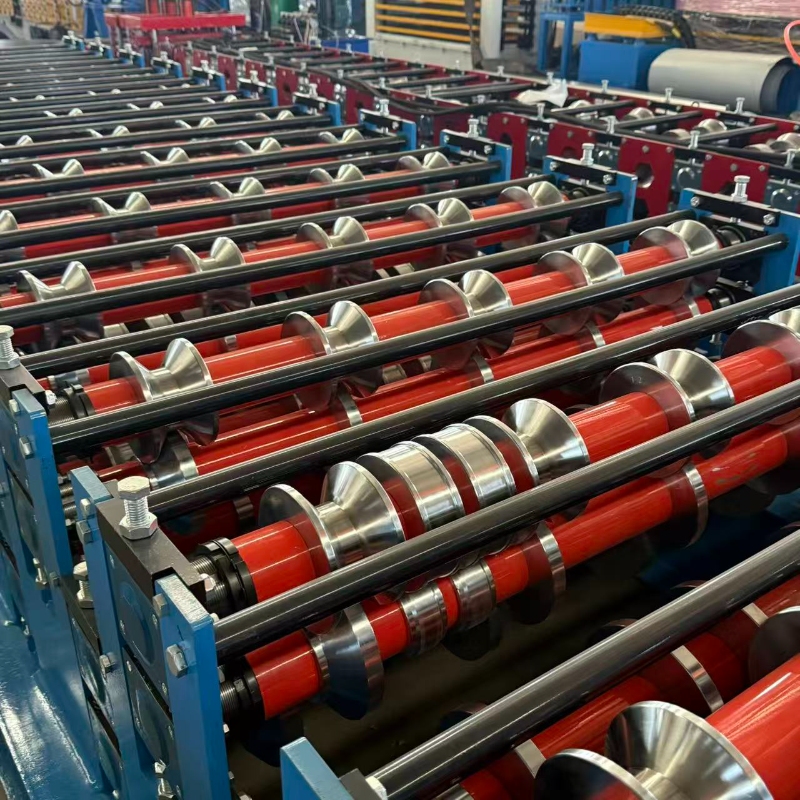
The industrial door industry is developing rapidly as demand for warehouses, logistics centers, factories, and commercial buildings continues to grow. As an important structural component, industrial door guide rails require stable dimensions, high strength, and consistent quality. This is creating new opportunities for guide rail roll forming machines and automated production lines.
Why Cold Roll Forming Is Suitable for Guide Rails
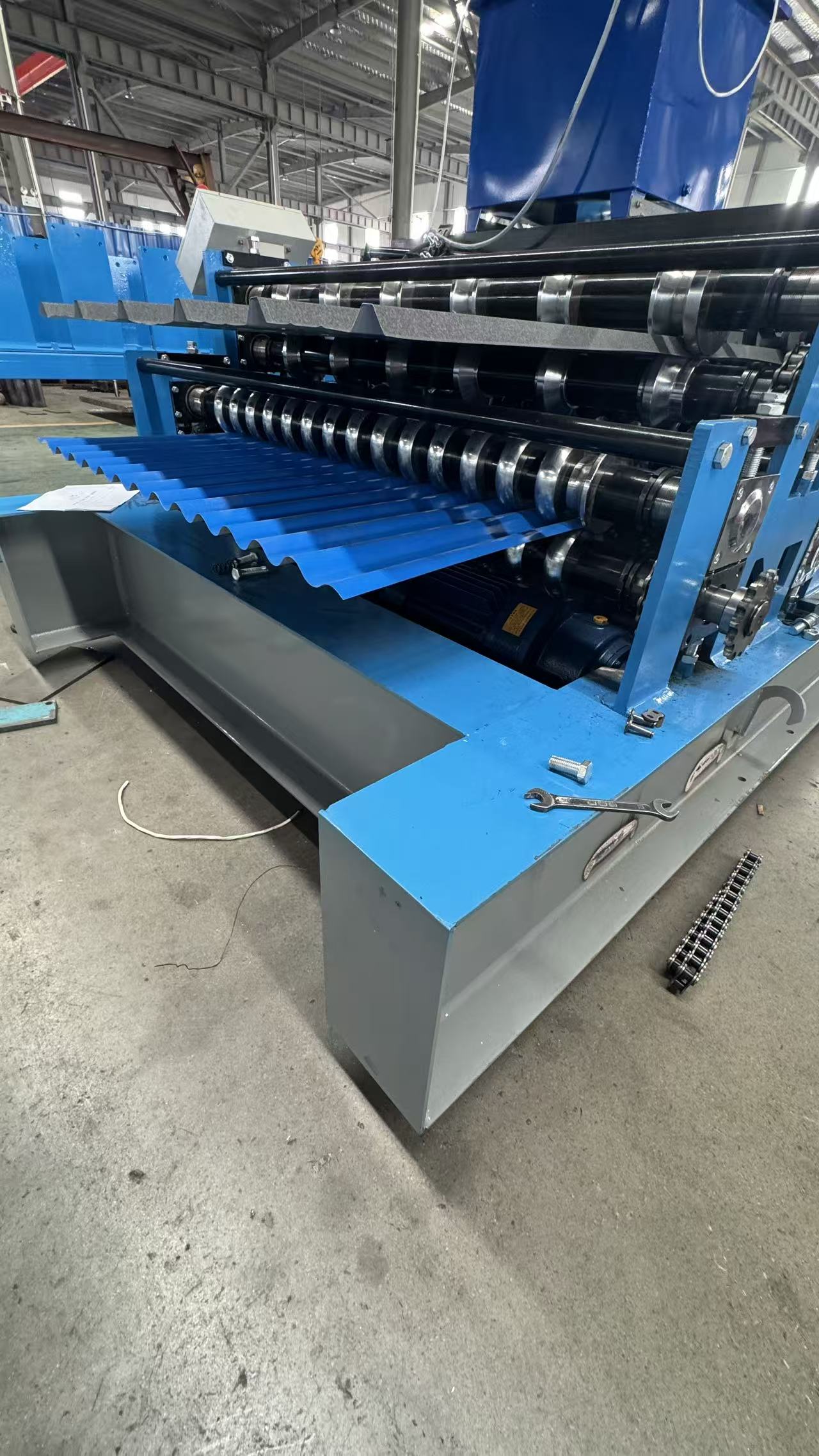
Cold roll forming is a continuous metal forming process that gradually shapes steel coils through multiple forming rollers. Compared with traditional cutting, stamping, and welding processes, a cold roll forming machine can produce long steel profiles continuously with stable dimensions and efficient material utilization.
For industrial door manufacturers, this technology can reduce manual operations and improve production efficiency. A properly designed door guide rail roll forming machine can also maintain consistent profile dimensions during long production runs.
Automation Improves Production Efficiency
Modern guide rail roll forming machines are increasingly equipped with automatic decoilers, leveling systems, punching units, hydraulic cutting systems, and PLC control panels. These components can work together to create a more efficient production process.
With an automated roll forming production line, manufacturers can control feeding length, production speed, punching positions, and cutting length through the control system. This helps reduce manual adjustment and improve the consistency of finished products.
Precision Is Important for Industrial Door Profiles
The dimensional accuracy of an industrial door guide rail can affect installation and the operating performance of the finished door system. Therefore, machine stability and forming accuracy are becoming important factors when manufacturers select a door guide rail roll forming machine.
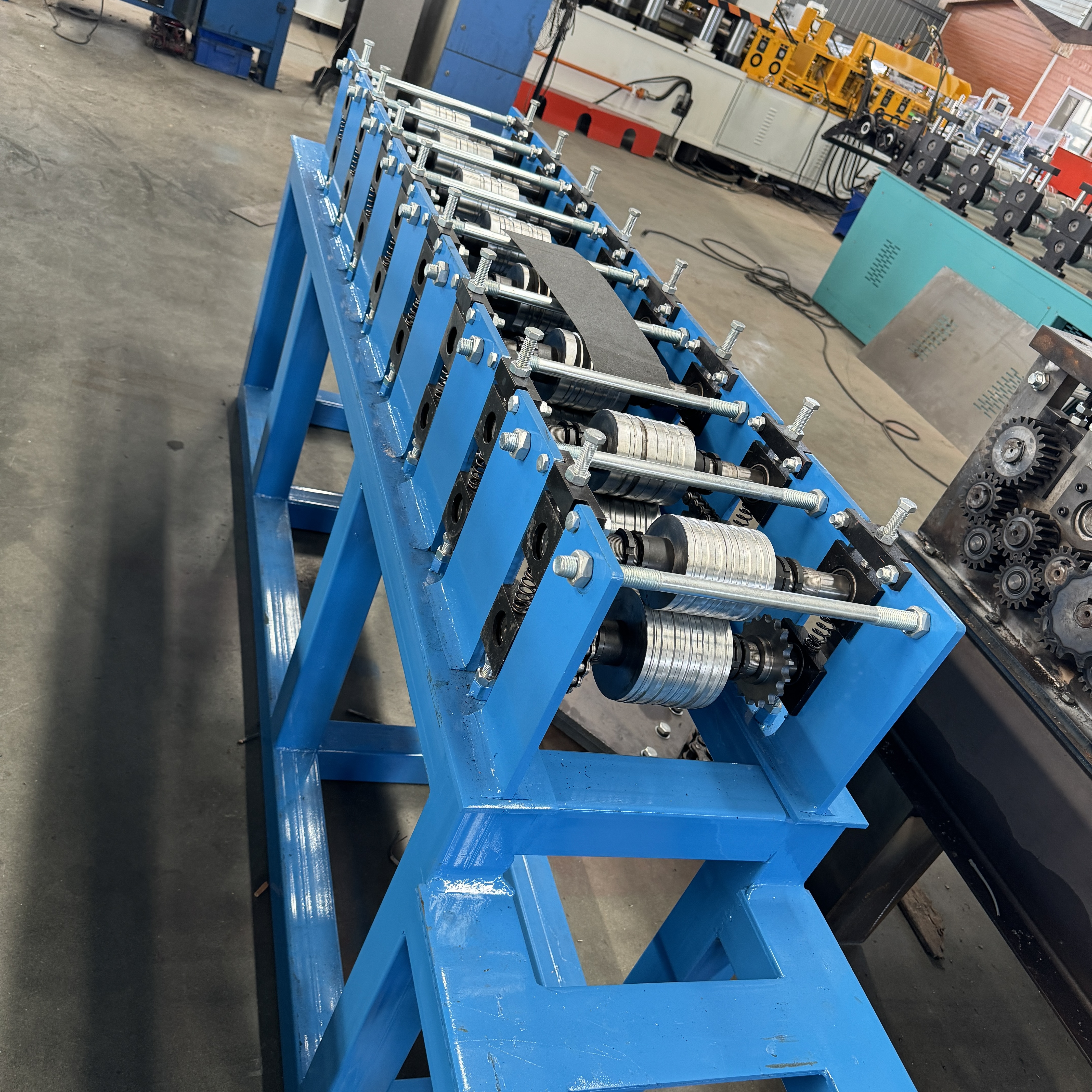
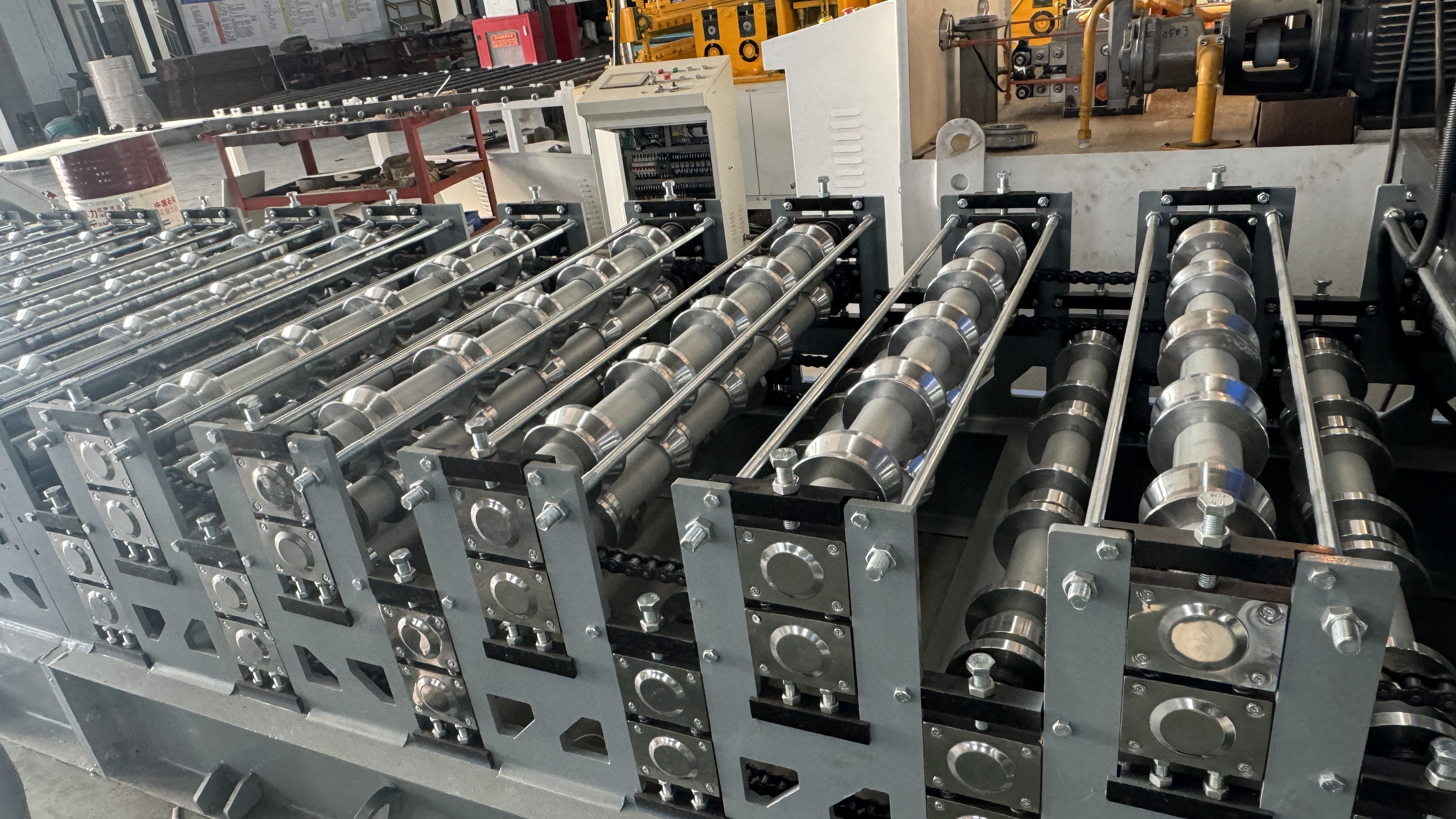
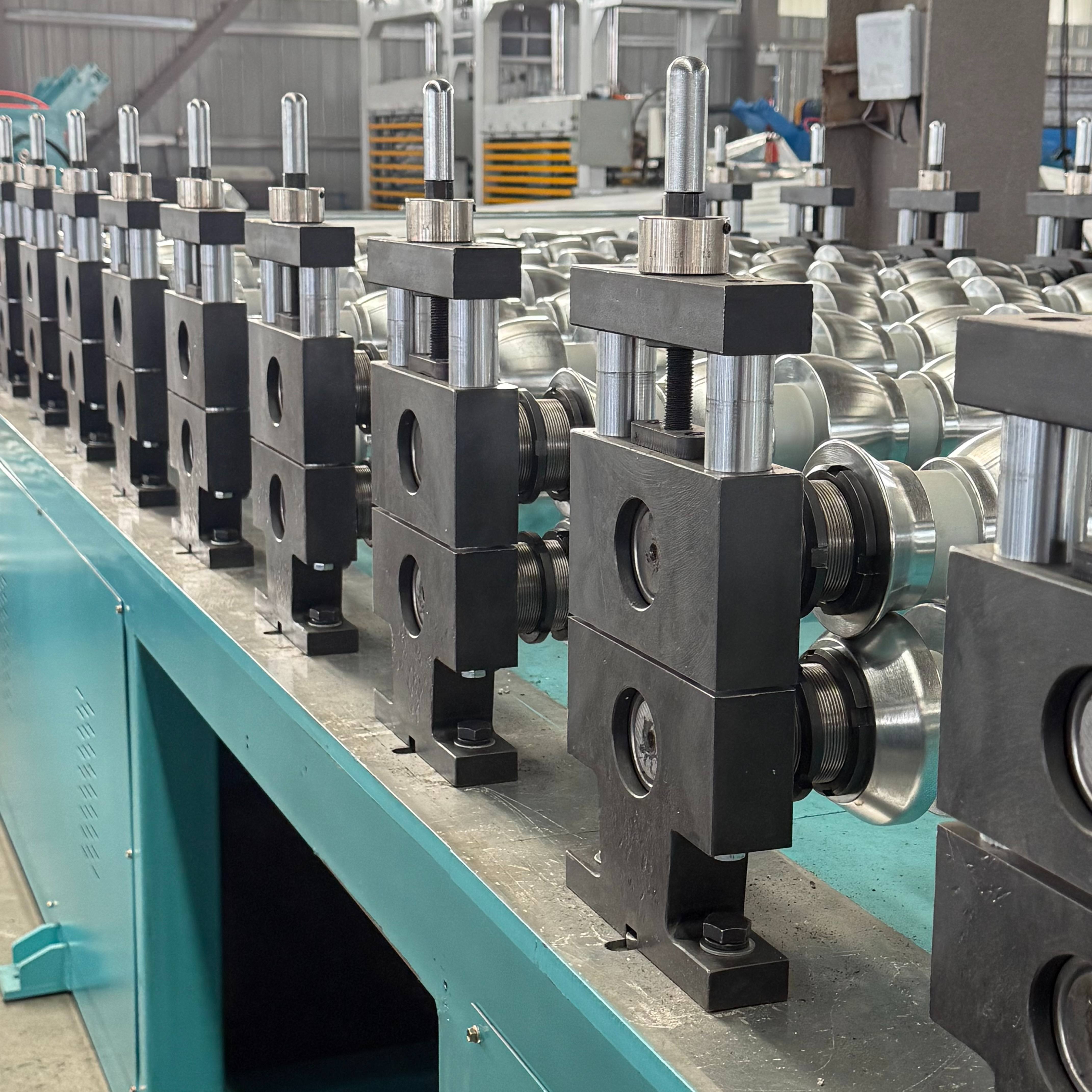
The forming rollers are designed to gradually bend the steel strip into the required profile. This controlled forming process can help reduce deformation and maintain a consistent cross-sectional shape throughout production.
Customized Roll Forming Solutions
Different markets may require different guide rail dimensions, material thicknesses, profile shapes, and punching patterns. Because of these differences, customized guide rail roll forming machines are becoming increasingly popular among manufacturers.
A customized cold roll forming machine can be designed according to the customer's profile drawings, raw material specifications, production speed, and finished product requirements. This flexibility allows manufacturers to produce different steel profiles using suitable forming solutions.
The Future of Roll Forming Production
The development of industrial automation is encouraging more manufacturers to move from individual machines toward complete roll forming production lines. Automatic feeding, continuous forming, online punching, hydraulic cutting, and PLC control are becoming common features in modern production systems.
For companies planning to expand their production capacity, choosing the right industrial door guide rail roll forming machine requires more than simply comparing machine prices. Production accuracy, machine stability, automation level, maintenance requirements, and product flexibility should also be considered.
Conclusion
As demand for industrial doors, warehouses, logistics facilities, and steel construction products continues to increase, guide rail roll forming machines will continue to play an important role in steel profile manufacturing. With higher levels of automation and customization, cold roll forming machines can provide manufacturers with efficient and flexible solutions for producing industrial door guide rails and other structural steel profiles.
We use cookies to offer you a better browsing experience, analyze site traffic and personalize content. By using this site, you agree to our use of cookies. Privacy Policy