News

News

As price competition drives technological advancement, a new phase of “value-led competition” is emerging in the construction equipment industry.

2025-12-31 0 Leave me a message

The construction sector is undergoing a significant change. This shift is driven by the unstable prices of essential materials such as steel and other building supplies. In the past, the industry primarily competed through aggressive "price wars" and benefited from general inflation. Now, its focus is moving elsewhere. A new form of "cost competition" is taking over. This approach prioritizes operational efficiency, equipment reliability, and the total cost of ownership over the initial purchase price. It is replacing the old model of simple price-based competition.


I. Market Channels: From “Buying Products” to “Buying Performance”

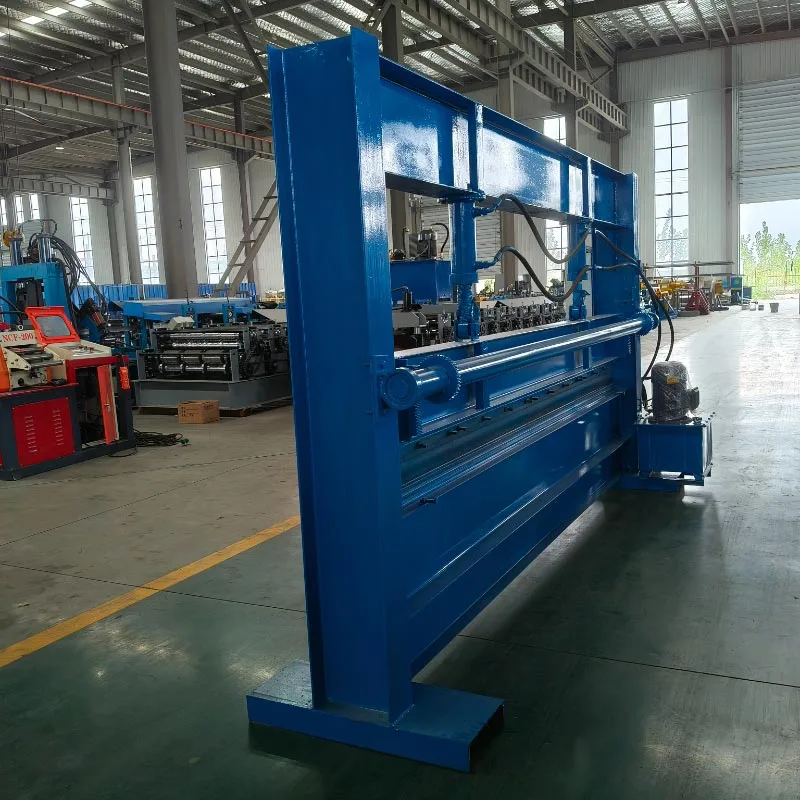
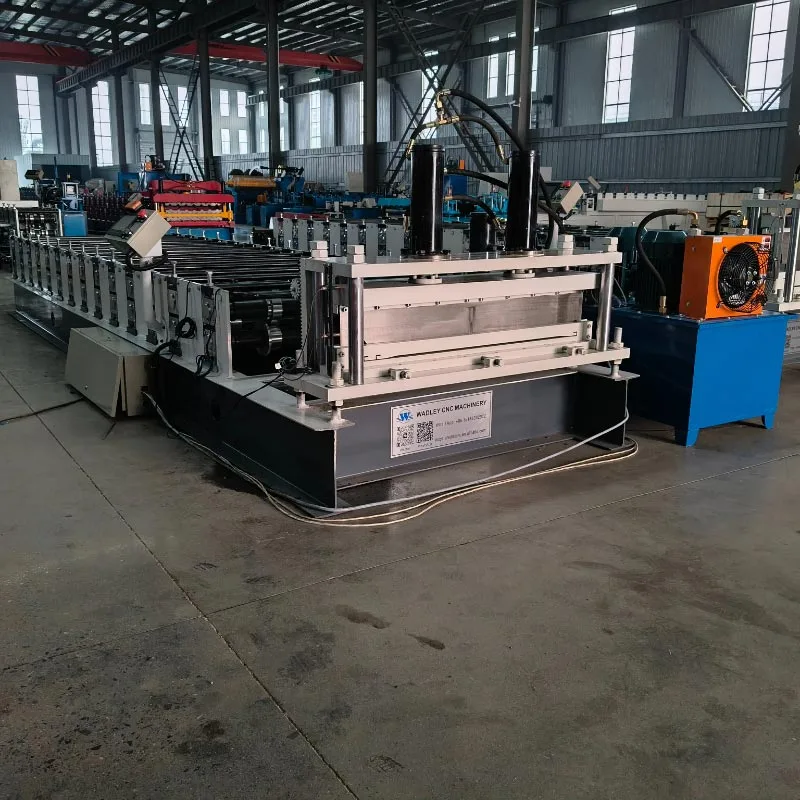
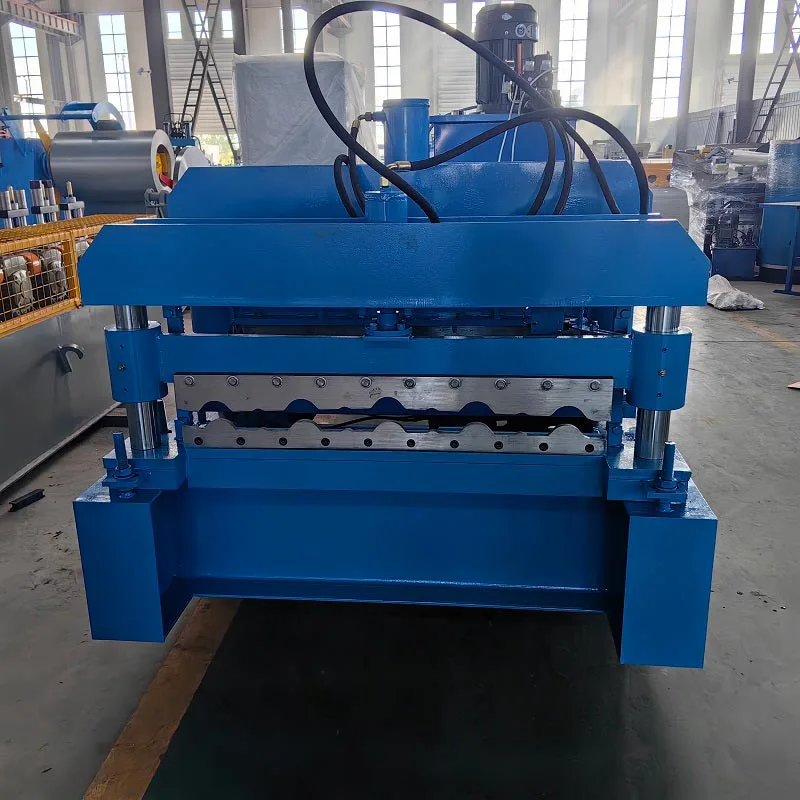
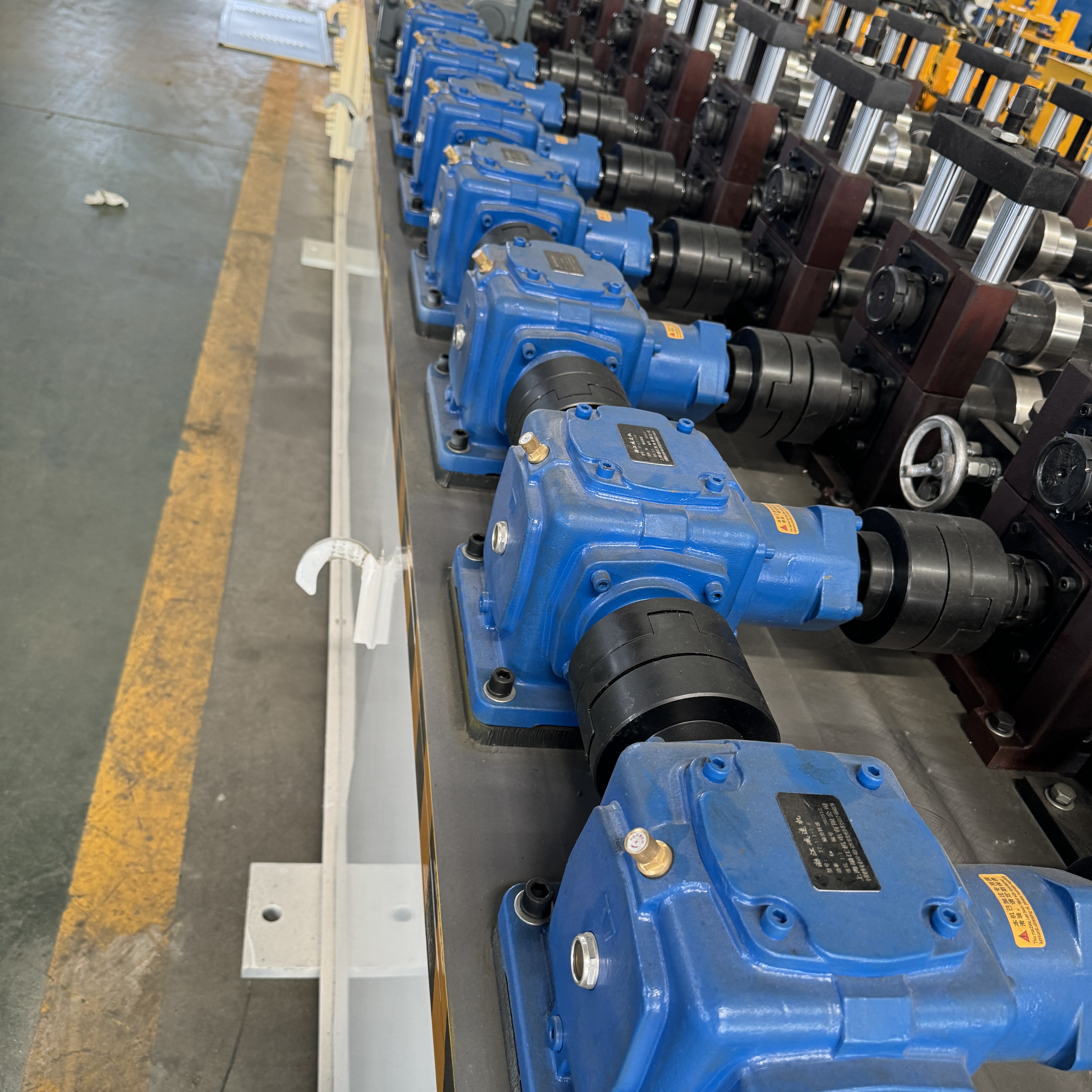
At a recent construction equipment exhibition in China, journalists observed that while visitor numbers for standard small and medium-sized machinery were lower, exhibits featuring smart storage, rapid turnover, energy-saving technologies, and advanced automation attracted greater buyer interest.

Customers’ priorities have changed. In the past, customers usually began by asking, "What is the price of this machine?" Today, their first question has changed. They now commonly ask, "How much material can this machine process daily?" Competition within the industry is intense. As a result, buyers are placing greater emphasis on the total cost of owning the equipment. They are also paying more attention to its long-term performance and durability.


II. Technical Perspective: Targeted Solutions for Industry Challenges

Research and development in the sector is now concentrating on several key areas:

Quick turnaround processes are gaining importance. Many leading manufacturers have refined their procedures to reduce turnover time from several hours to about one hour. This minimizes customer downtime and supports a low-inventory operating model.

Online support services are now considered essential. Many businesses now install IoT devices on critical machinery. These connected sensors enable remote performance monitoring. They can detect faults automatically and send alerts. The system also offers step-by-step maintenance instructions. This approach helps prevent unexpected downtime. This approach reduces the chances of sudden equipment failures. It also contributes to higher productivity across operations.

Specialized materials are creating new demands. New materials are becoming more common. Examples include aluminum-magnesium-manganese alloys and high-strength aluminum-zinc sheets. Modern equipment needs to process these materials efficiently. In response, manufacturers are focusing their marketing messages. They now emphasize key machine qualities in their promotions. These include operational safety, long-term durability, and the ability to adapt to different materials.


III. Company Response: A Shift Toward “Services + Solutions”

Major companies are adapting their strategies to meet market demands. Firms like Jinggong Technology and Yabote have shifted from selling only equipment. Now they provide complete solutions. These packages include design, customization, and installation. They also cover operational support, training, and quality management. Some companies partner with financial institutions. Together, they offer leasing and flexible payment plans. This helps lower the initial cost for customers.


IV. Challenges and Considerations: Specialization and Strategic Innovation

Industry analysts note that the current market is accelerating transformation. Companies that compete only on low price, without strong technical foundations or after-sales support, will face growing pressure. Future leaders are likely to come from two groups:

There are large, established companies. They can offer full-range solutions and maintain strong service networks.

There are also niche players. These firms are very specialized and often innovative. They focus on specific areas, such as processing certain materials.

However, some segments are still difficult. Steel fabrication is one example, especially work with long steel or multiple materials. These areas require deeper technical knowledge.

Conclusion: China’s construction equipment industry is moving from a “golden age” of broad expansion to a “silver age” focused on resource efficiency and profit optimization. This transition is reshaping competition and redefining value across the sector.


Related News
Leave me a message
X
We use cookies to offer you a better browsing experience, analyze site traffic and personalize content. By using this site, you agree to our use of cookies. Privacy Policy
RejectAccept