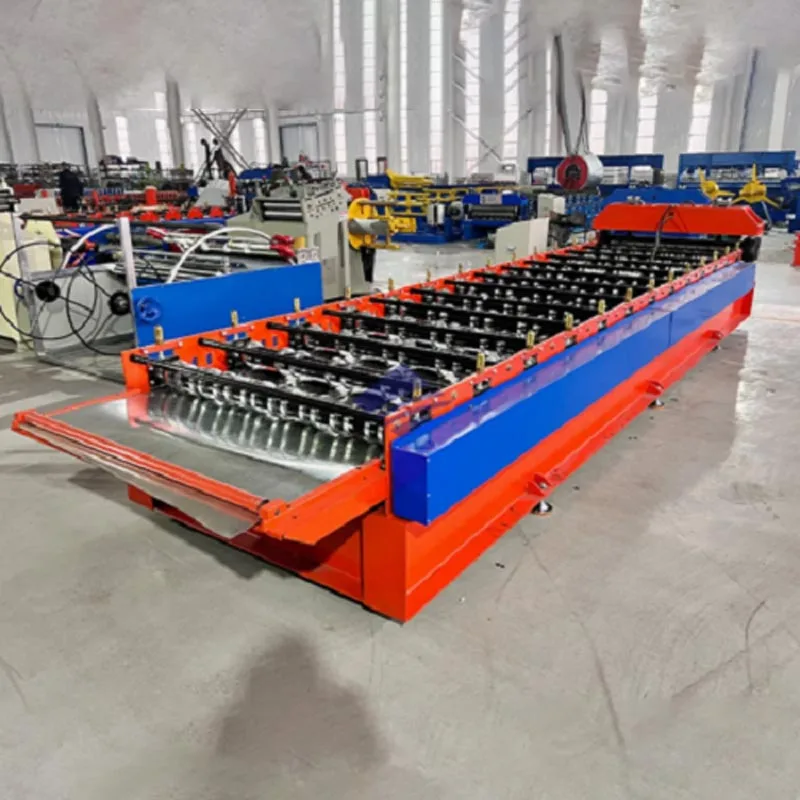
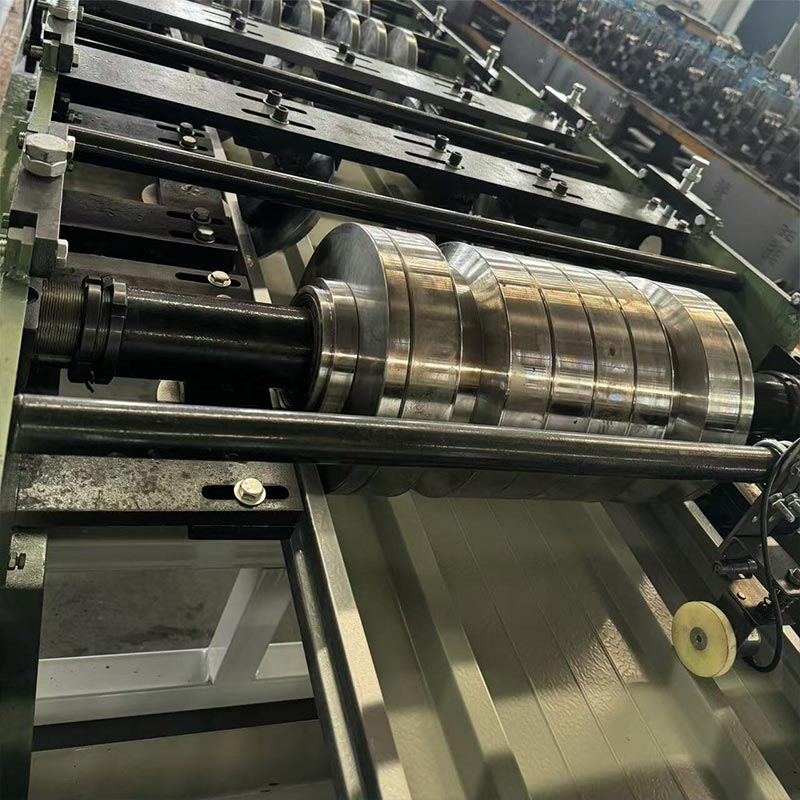
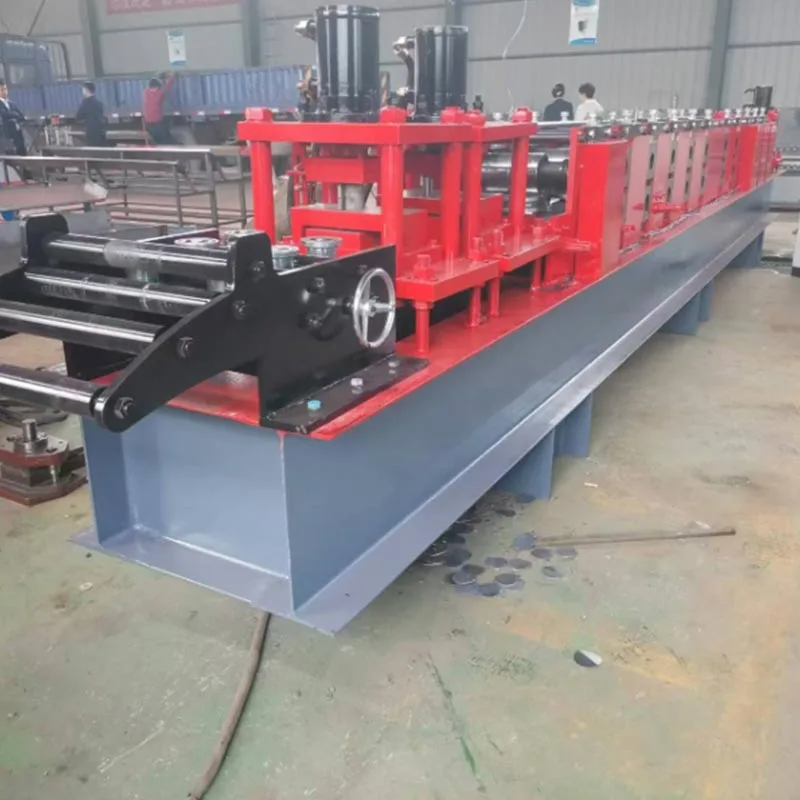
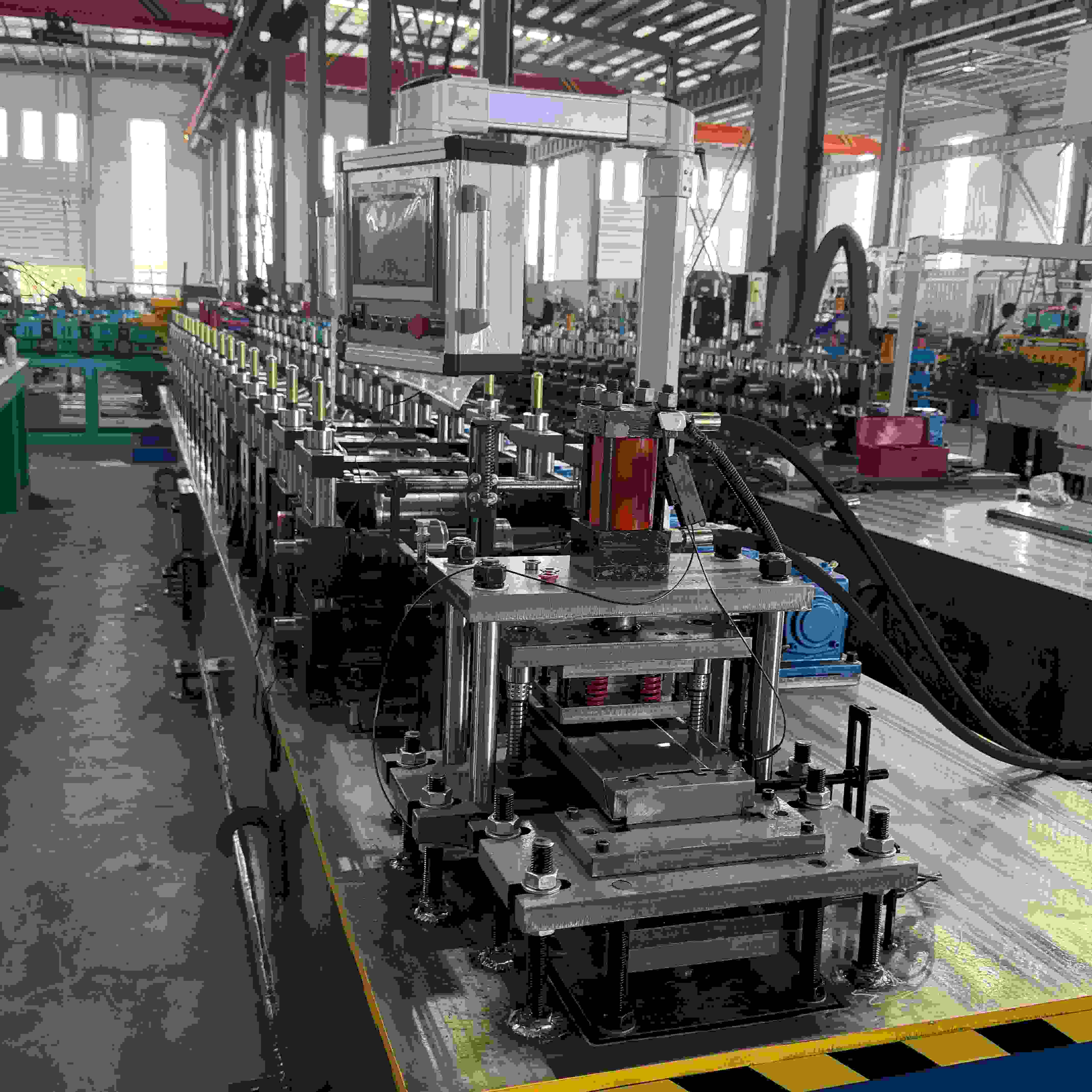
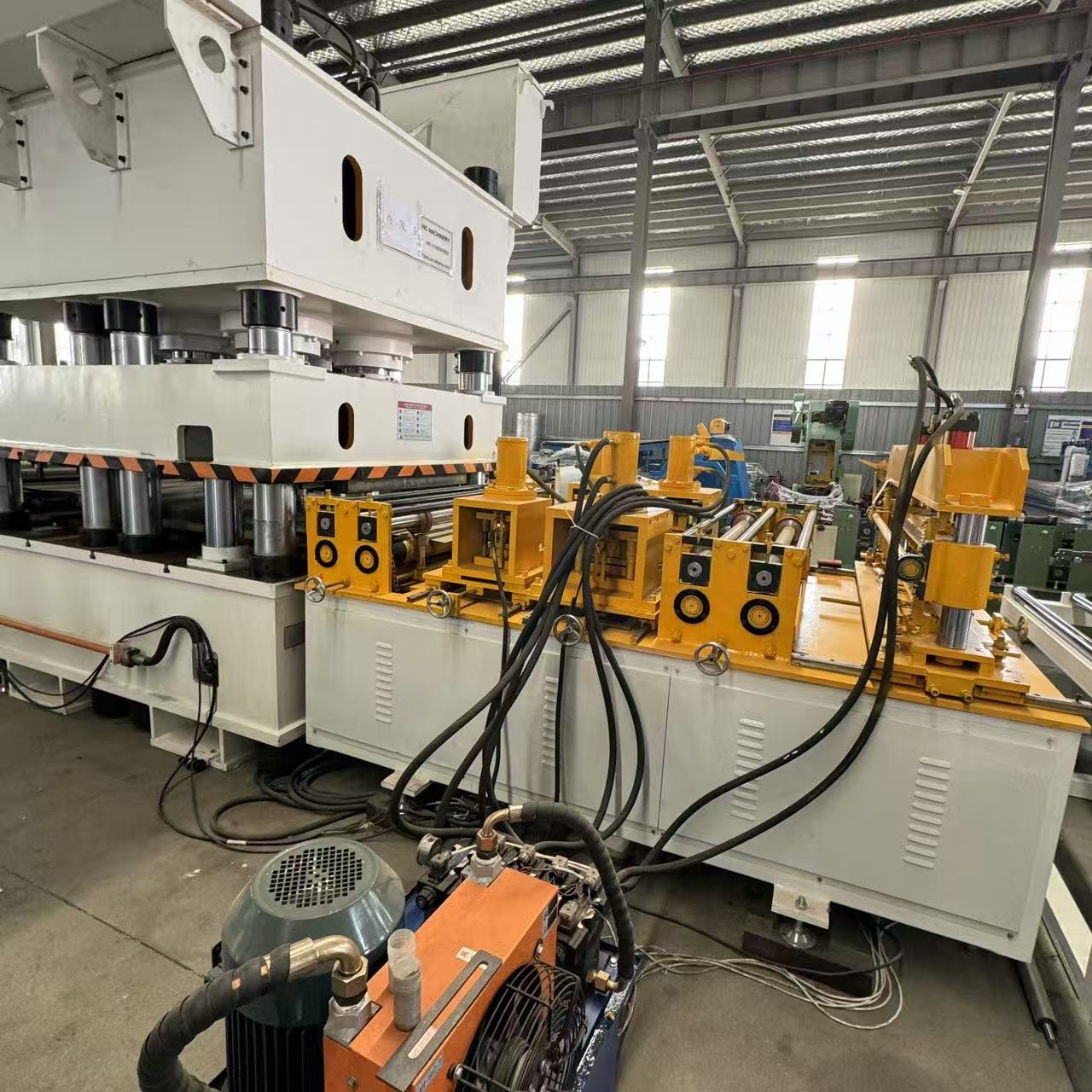
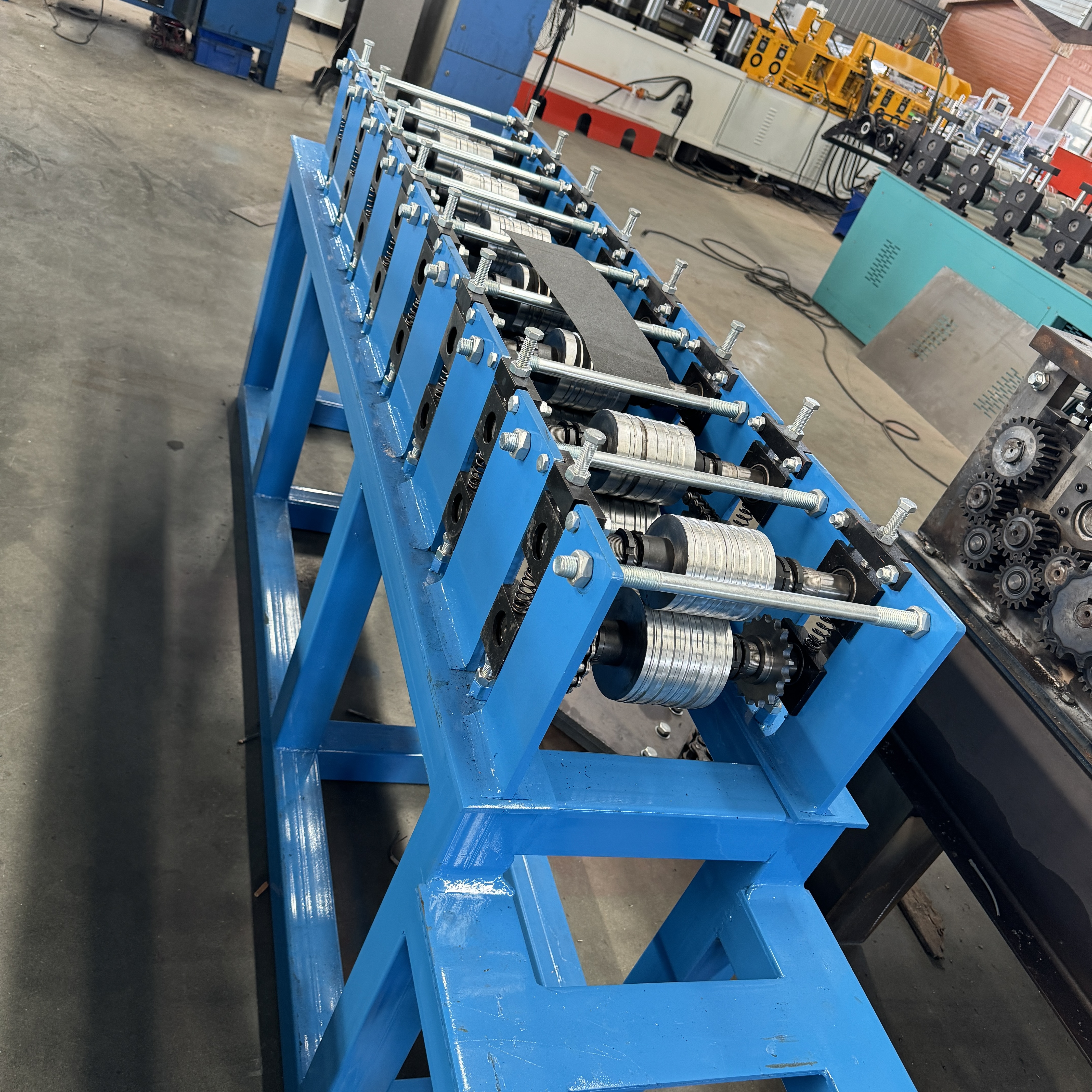
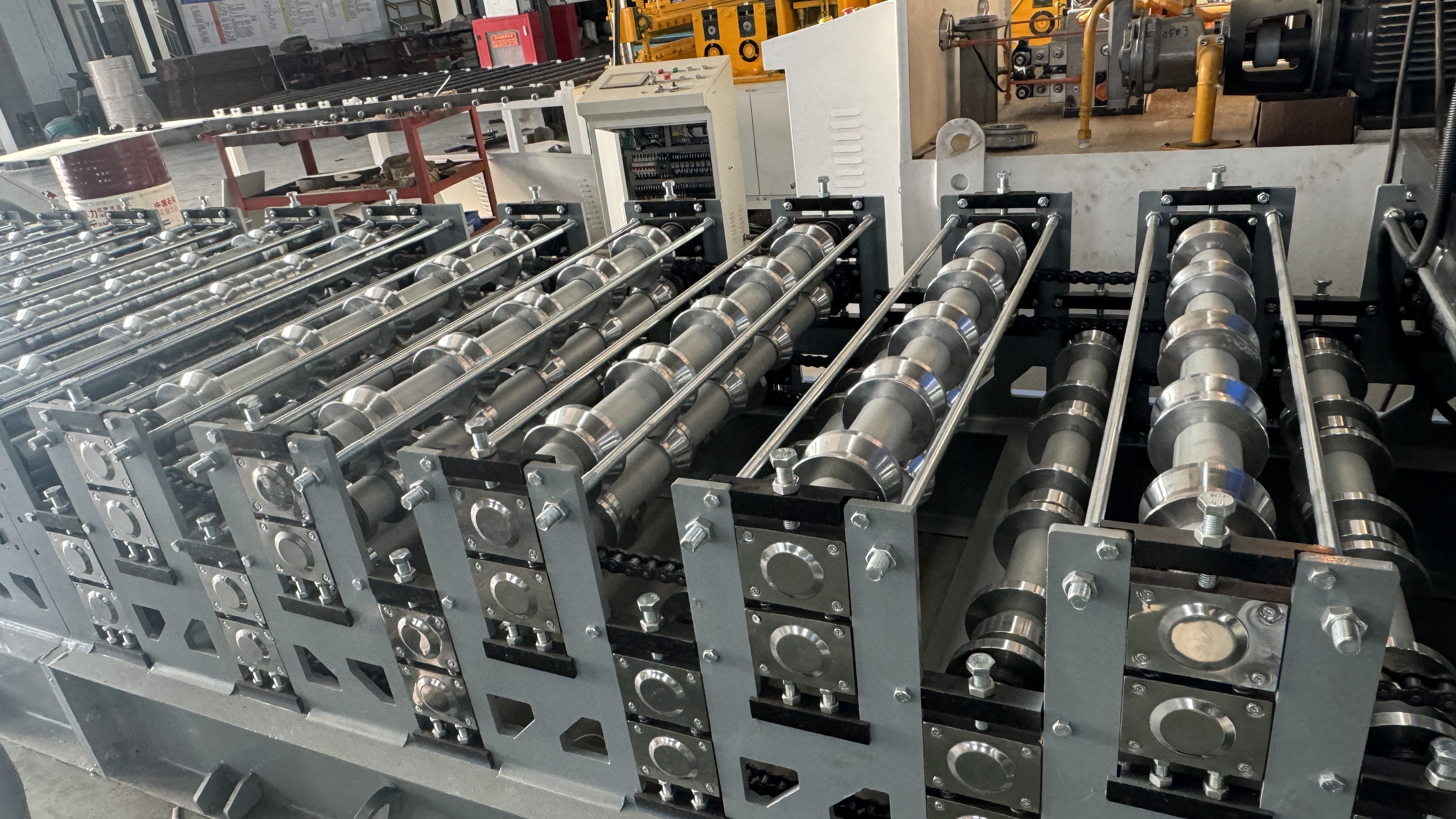
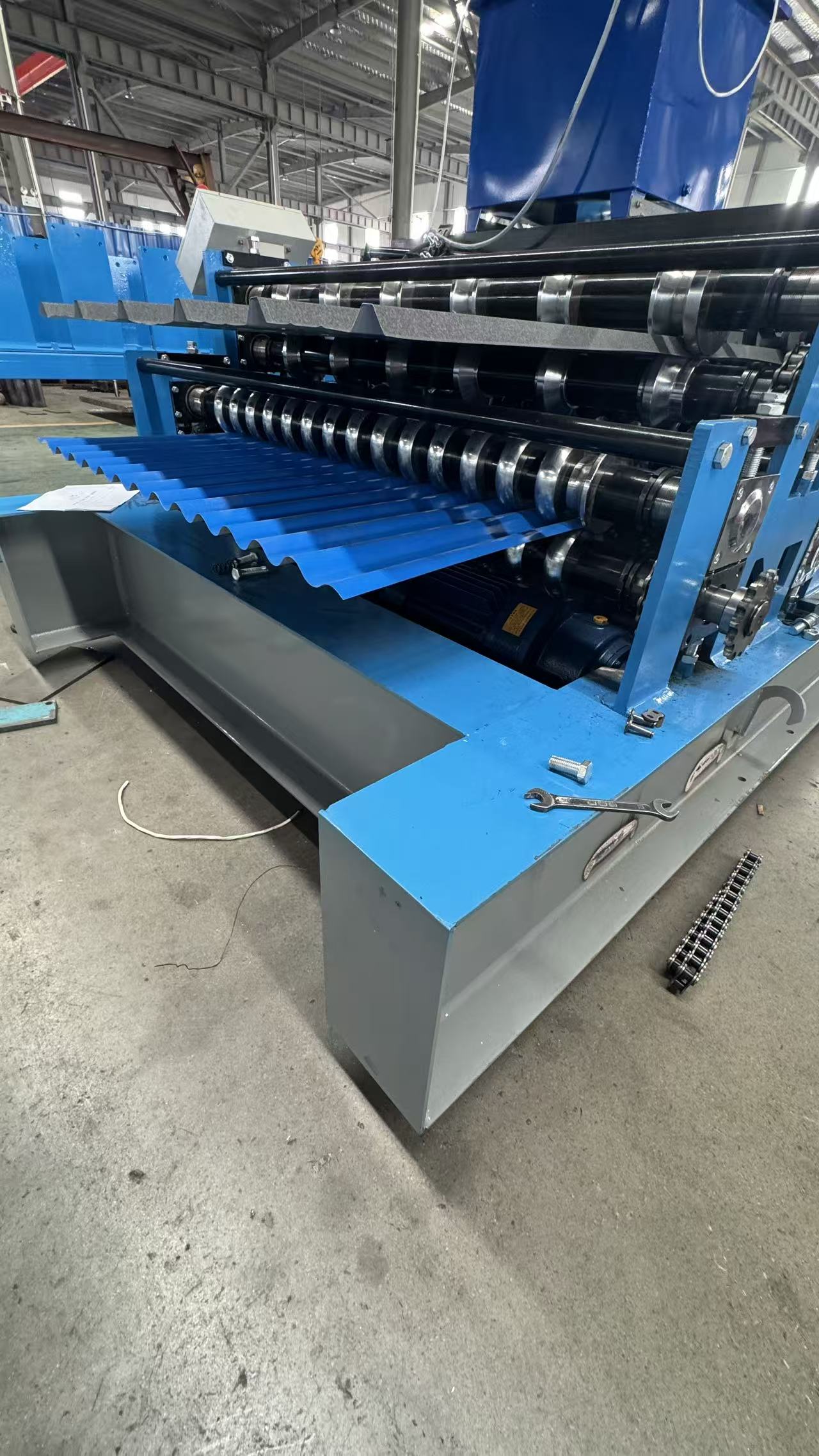
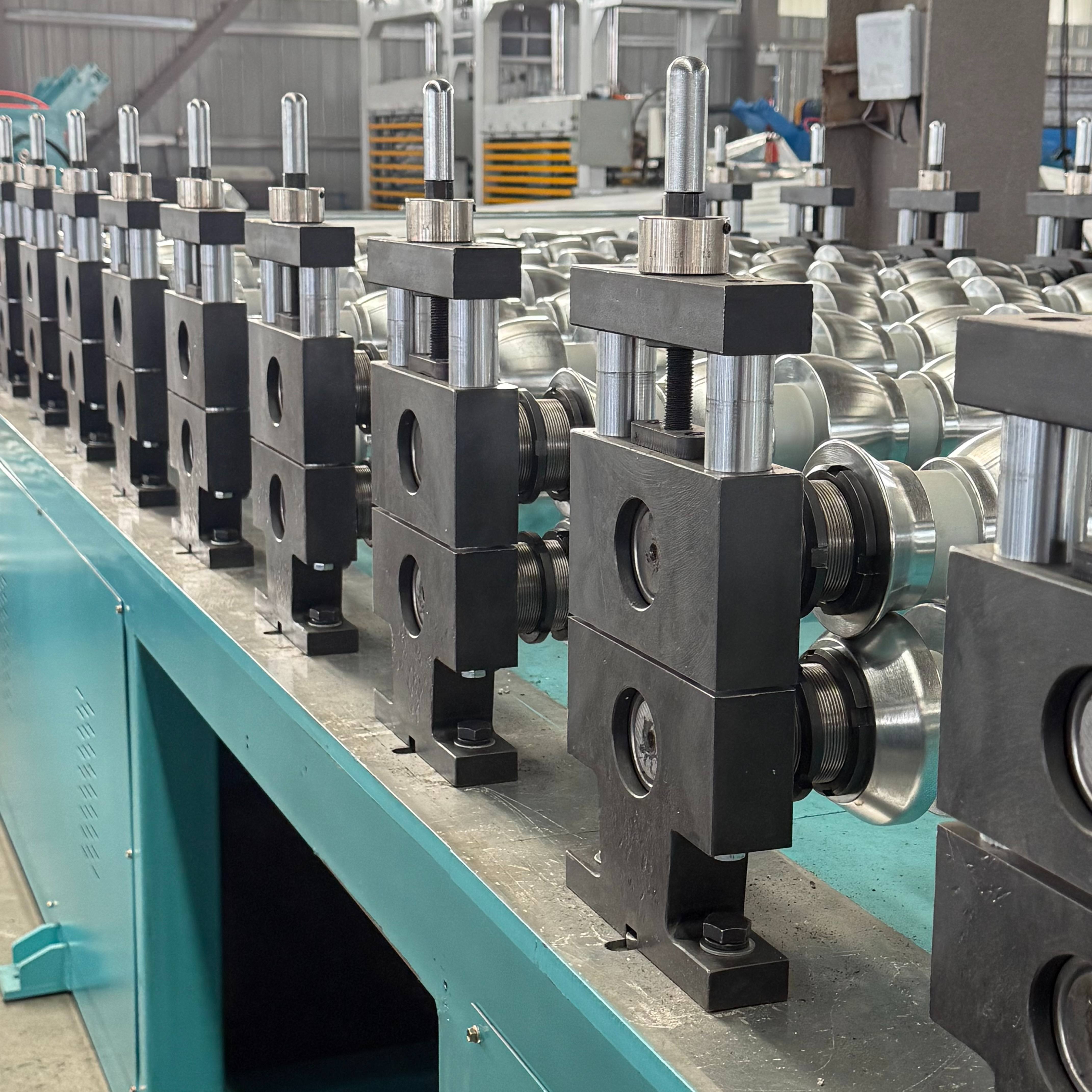
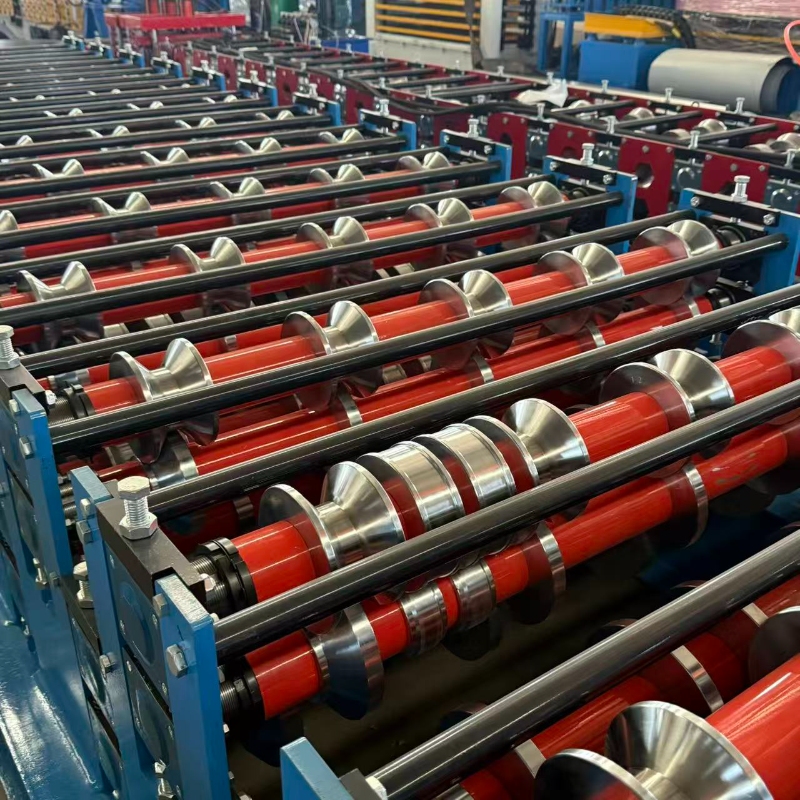
In modern metal fabrication industries, efficiency, consistency, and precision are critical to staying competitive. A Pipe Roll Forming Machine is a specialized industrial system designed to continuously shape metal strips into round, square, or rectangular pipes through a series of precision-engineered rollers. Compared with traditional pipe-making methods, roll forming delivers higher productivity, better dimensional accuracy, and lower material waste, making it the preferred choice for large-scale pipe production.
From construction scaffolding and structural tubing to automotive components and furniture frames, pipe roll forming technology plays a vital role across multiple industries. Understanding how this equipment works and what parameters truly matter can help manufacturers make smarter investment decisions and achieve long-term operational stability.
A Pipe Roll Forming Machine operates on a continuous production principle. Instead of shaping metal in a single step, the material is gradually formed through multiple roller stations. This ensures minimal stress on the metal and a smooth, uniform pipe profile.
The standard workflow includes:
Decoiling – Metal coils (steel, galvanized steel, stainless steel, or aluminum) are loaded and unwound.
Leveling & Feeding – The strip is straightened and fed into the forming section at a constant speed.
Roll Forming – Progressive roller stations bend the strip into a tubular shape.
Welding – High-frequency welding joins the edges to form a closed pipe.
Sizing & Straightening – Precision rollers ensure accurate dimensions and straightness.
Cutting – Pipes are cut to preset lengths automatically.
This continuous process allows a Pipe Roll Forming Machine to produce hundreds of meters of pipe per hour with stable quality and repeatability.
When comparing roll forming to traditional press bending or extrusion methods, the advantages are clear.
Key benefits include:
Higher Production Efficiency – Continuous operation dramatically reduces cycle time.
Consistent Quality – Uniform wall thickness and precise diameters across batches.
Lower Material Waste – Optimized forming reduces scrap rates.
Automation-Friendly – Easily integrated with PLC control systems and automatic cutting units.
Cost-Effective for Mass Production – Lower labor costs and long-term operational savings.
For manufacturers targeting large-volume output with strict dimensional tolerances, a Pipe Roll Forming Machine provides unmatched reliability.
Selecting the right machine requires careful evaluation of technical specifications. Below is a simplified overview of common parameters that define a professional-grade Pipe Roll Forming Machine.
| Parameter | Specification Range |
|---|---|
| Pipe Diameter | 20–165 mm (customizable) |
| Pipe Shape | Round, square, rectangular |
| Material Thickness | 0.8–6.0 mm |
| Forming Speed | 15–60 m/min |
| Roller Stations | 12–24 stations |
| Drive System | Gearbox or chain drive |
| Control System | PLC with touch screen |
| Cutting Method | Flying saw or cold cutting |
| Power Supply | 380V / 50Hz (customizable) |
These parameters can be tailored to meet specific production requirements, ensuring flexibility for different markets and applications.
A modern Pipe Roll Forming Machine is designed to handle a wide range of metal materials, including:
Carbon steel
Galvanized steel
Stainless steel
Aluminum alloys
Pre-painted steel coils
The ability to process different materials makes this equipment suitable for diverse industries such as construction, energy, transportation, and industrial manufacturing.
Automation plays a critical role in maximizing the value of a Pipe Roll Forming Machine. With PLC-based control systems, operators can easily adjust parameters such as forming speed, pipe length, and cutting precision.
Automation advantages include:
Reduced human error
Faster setup and changeover
Real-time monitoring of production status
Stable operation with minimal downtime
Advanced automation ensures consistent output quality while reducing dependence on skilled manual labor.
The versatility of pipe roll forming technology makes it essential in many sectors:
Construction – Structural pipes, scaffolding, handrails
Automotive – Exhaust systems, chassis components
Furniture – Metal frames and supports
Energy & Utilities – Transmission pipelines, support structures
Agriculture – Greenhouse frames and irrigation pipes
Each application benefits from the machine's precision, strength, and production efficiency.
What is a Pipe Roll Forming Machine used for?
A Pipe Roll Forming Machine is used to continuously produce metal pipes with consistent dimensions by shaping metal strips through multiple roller stations and welding them into closed profiles.
How do I choose the right Pipe Roll Forming Machine for my factory?
Selection depends on pipe diameter range, material thickness, production speed requirements, automation level, and the types of materials you plan to process.
Can one Pipe Roll Forming Machine produce different pipe sizes?
Yes, by changing roller sets and adjusting machine parameters, a single Pipe Roll Forming Machine can produce multiple pipe sizes and shapes.
What maintenance does a Pipe Roll Forming Machine require?
Routine lubrication, roller inspection, welding unit calibration, and electrical system checks are essential to ensure long-term stable performance.
Pricing varies based on several technical and customization factors:
Pipe size range and thickness capacity
Number of roller stations
Automation level and control system
Cutting method and welding configuration
Custom tooling and material compatibility
Investing in a high-quality Pipe Roll Forming Machine often results in lower long-term costs due to durability, reduced downtime, and stable output quality.
Precision machining, high-grade rollers, and robust structural frames significantly influence machine lifespan. A well-engineered Pipe Roll Forming Machine delivers stable forming accuracy even under continuous operation, helping manufacturers meet strict industry standards and customer expectations.
Choosing the right supplier is as important as selecting the right machine. Professional manufacturers offer not only reliable equipment but also technical support, installation guidance, and after-sales service.
Cangzhou Parfu International Trade Co., Ltd. specializes in providing high-performance pipe roll forming solutions tailored to global markets. With a focus on quality, customization, and long-term cooperation, the company supports clients from initial consultation to full production deployment.
For detailed specifications, customized configurations, or technical consultation, please contact Cangzhou Parfu International Trade Co., Ltd. to explore professional Pipe Roll Forming Machine solutions designed to enhance your manufacturing capabilities.
Address:No.5 Road, Botou Economic Development Zone, Cangzhou City, Hebei Province, China
Copyright © 2025 Cangzhou Parfu International Trade Co., Ltd. All Rights Reserved.
Main Markets: UAE | Russia | Africa | Kazakhstan | Mexico | China


Decking Equipment/C/Z Purlin Machines/Standing Seam Roofing System Production Lines/Sandwich Panel Production Lines/Roof Panel Forming Machines/Colored Steel Tile Machines/Ceiling Stringer Machines/Light Steel Stringer Partition System Equipment/Various Special-Shaped Panel Cold Bending Equipment and Customized Solutions
We specialize in the design and manufacture of cold bending equipment for export, provide on-site commissioning services abroad, and can tailor-make specialized equipment and production solutions to meet customer needs.