Roll Forming Machine vs Press Brake: How Do Manufacturers Choose the Right Technology?
In today’s competitive metal fabrication market, selecting the right forming technology is no longer a simple equipment decision—it is a strategic manufacturing choice. From the perspective of experienced manufacturers, understanding the real difference between a Roll Forming Machine vs Press Brake is essential for improving efficiency, controlling costs, and ensuring long-term production stability.
With years of experience in supplying roll forming equipment to global markets, Parfu has observed that many buyers initially focus on price, while overlooking how forming technology impacts scalability and product consistency.
Forming Technology from a Manufacturer’s Perspective
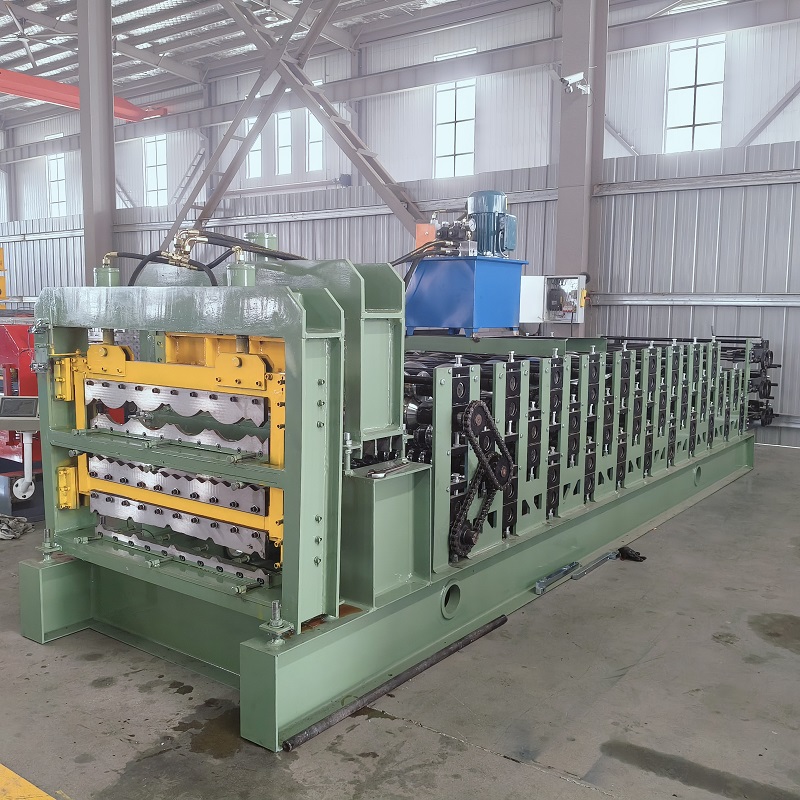
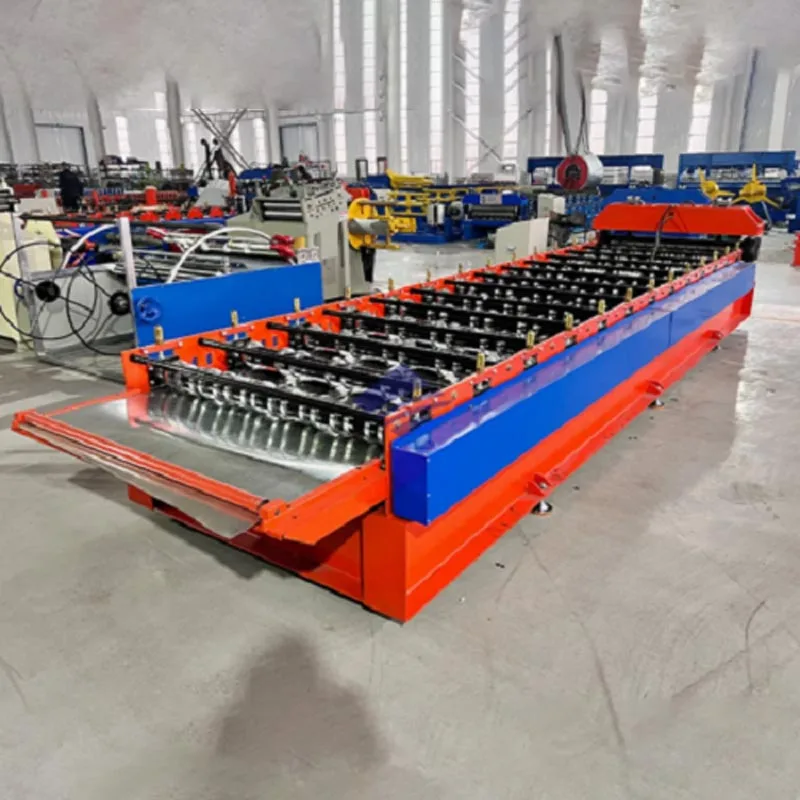
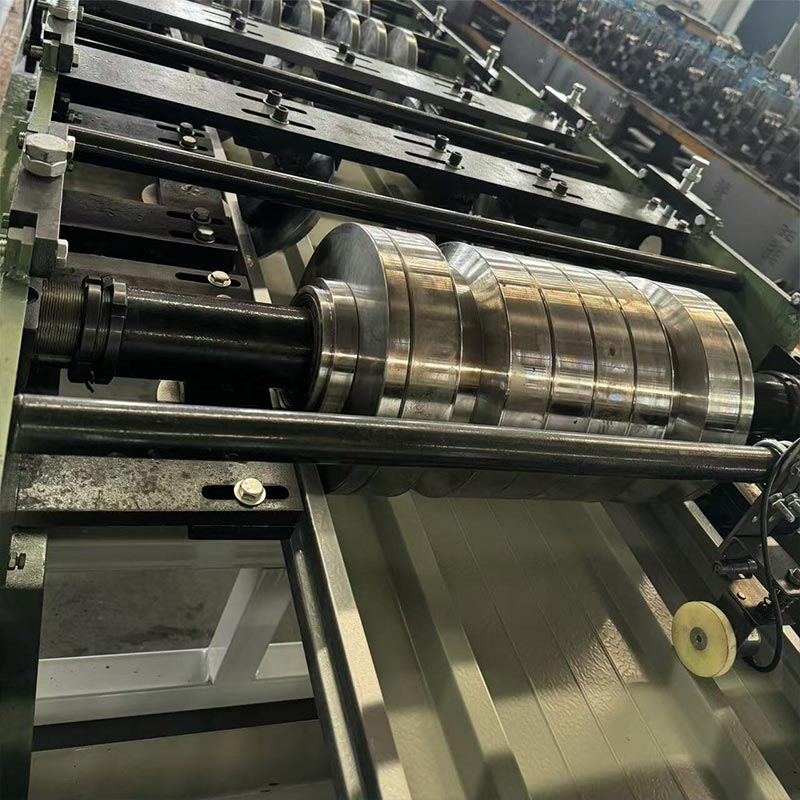
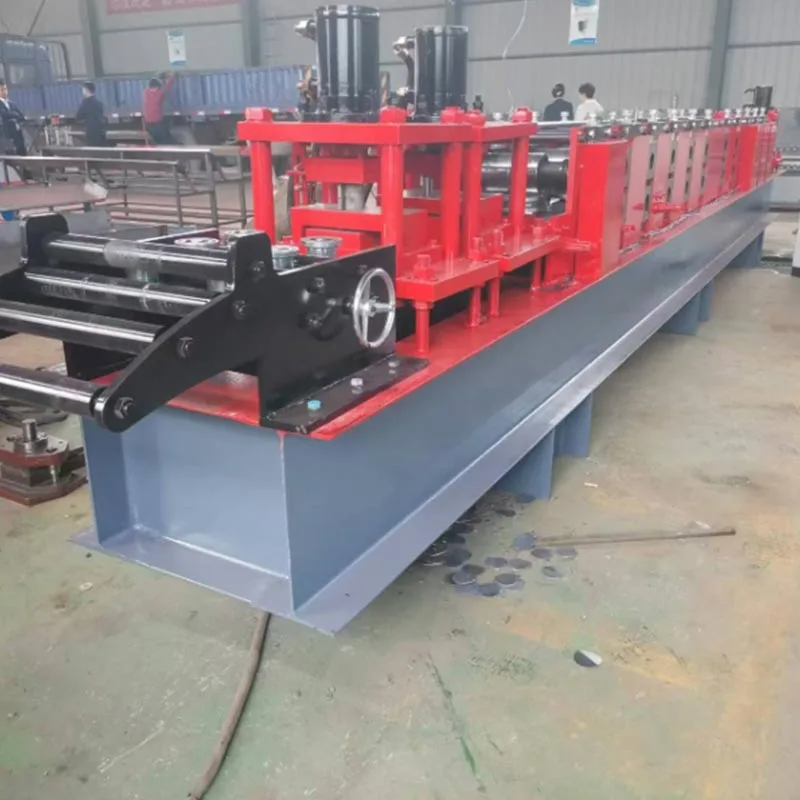
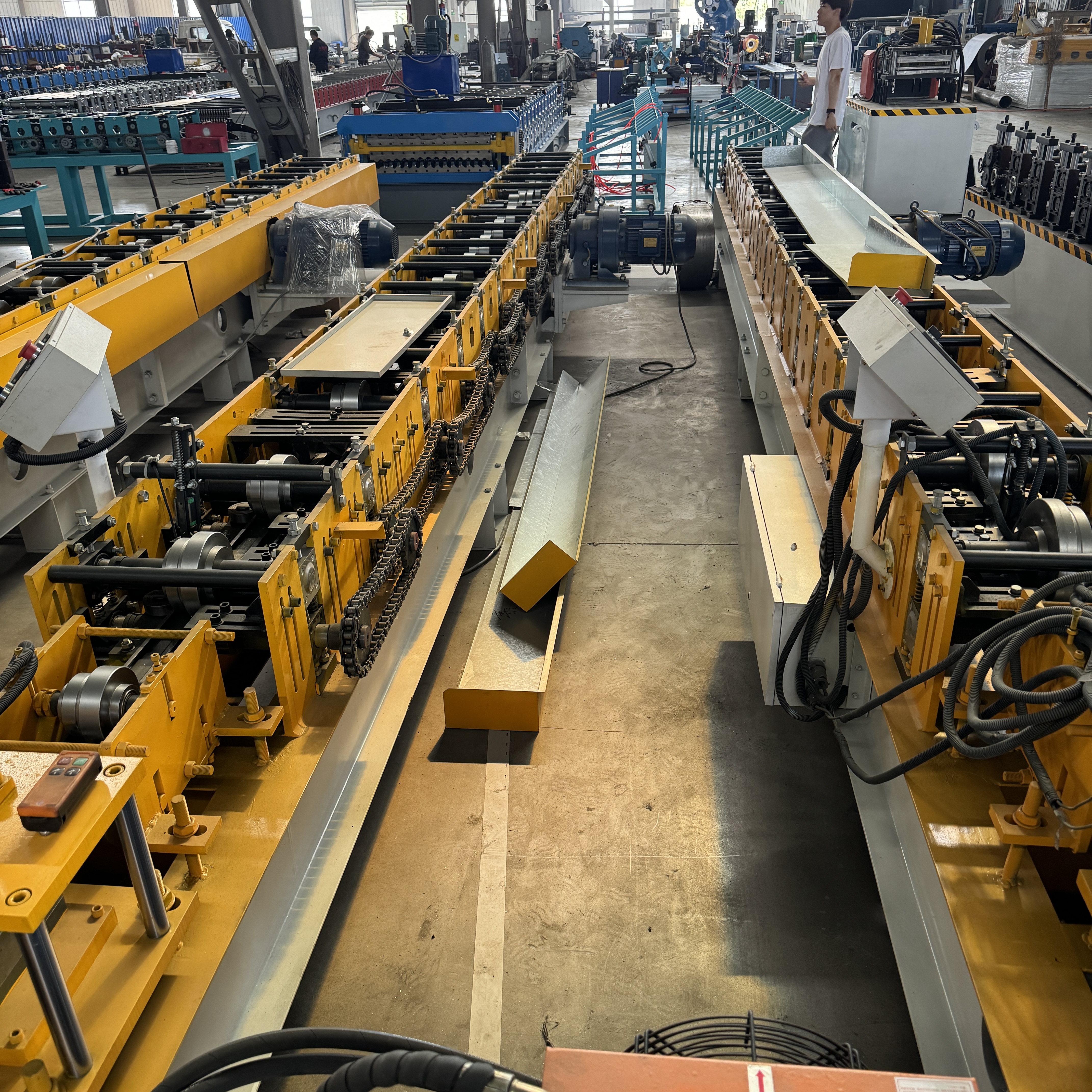
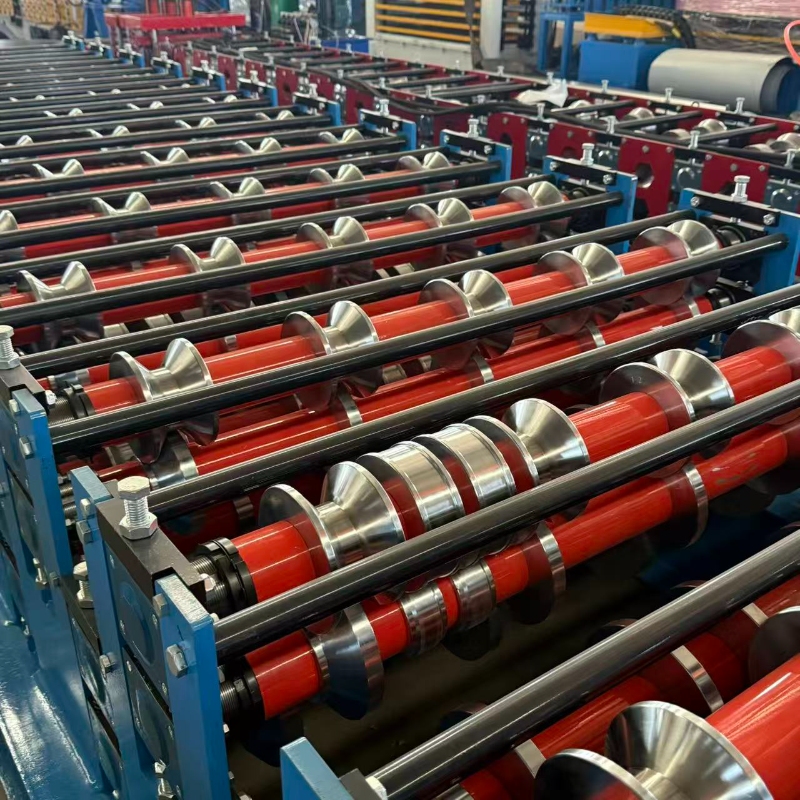
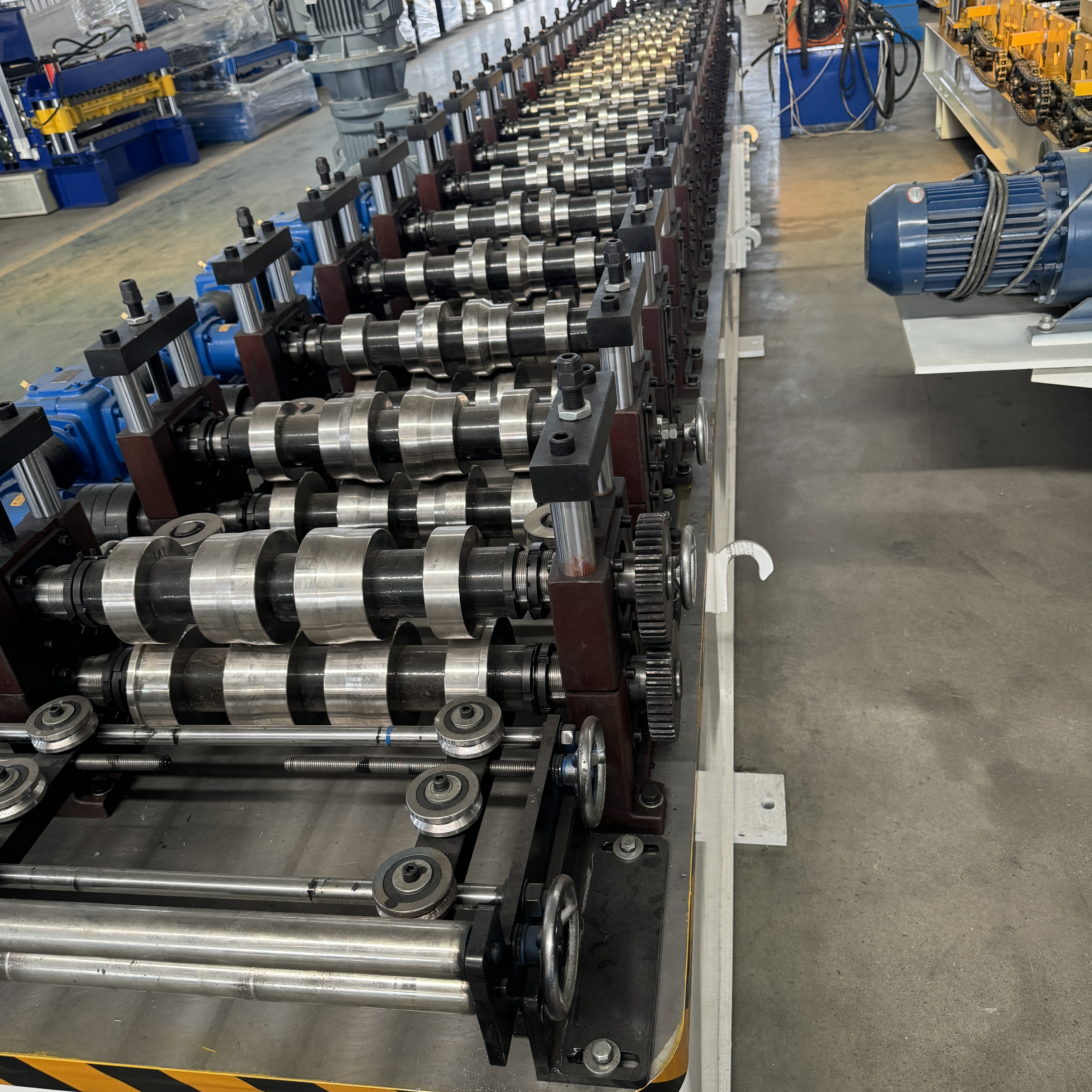
A roll forming machine operates on a continuous forming principle. Metal coils pass through multiple roller stations, gradually shaping the profile without interrupting material flow. This process ensures high dimensional accuracy, excellent surface quality, and repeatable results.
Press brakes, in contrast, rely on step-by-step bending using punches and dies. While flexible, this method introduces variability depending on operator skill, tooling wear, and setup accuracy.
From Parfu’s manufacturing experience, the comparison of
Roll Forming Machine vs Press Brake
is essentially a comparison between industrial-level automation and workshop-level flexibility.
Efficiency, Labor Cost, and Production Stability
Manufacturers focused on standardized profiles and long production runs consistently benefit from roll forming technology. Once tooling is installed, a roll forming line can operate continuously with minimal downtime and reduced labor dependency.
Press brakes, however, require frequent adjustments and manual handling, which increases labor costs and slows output. For this reason, Parfu typically recommends roll forming solutions to clients planning mass production or export-oriented manufacturing.
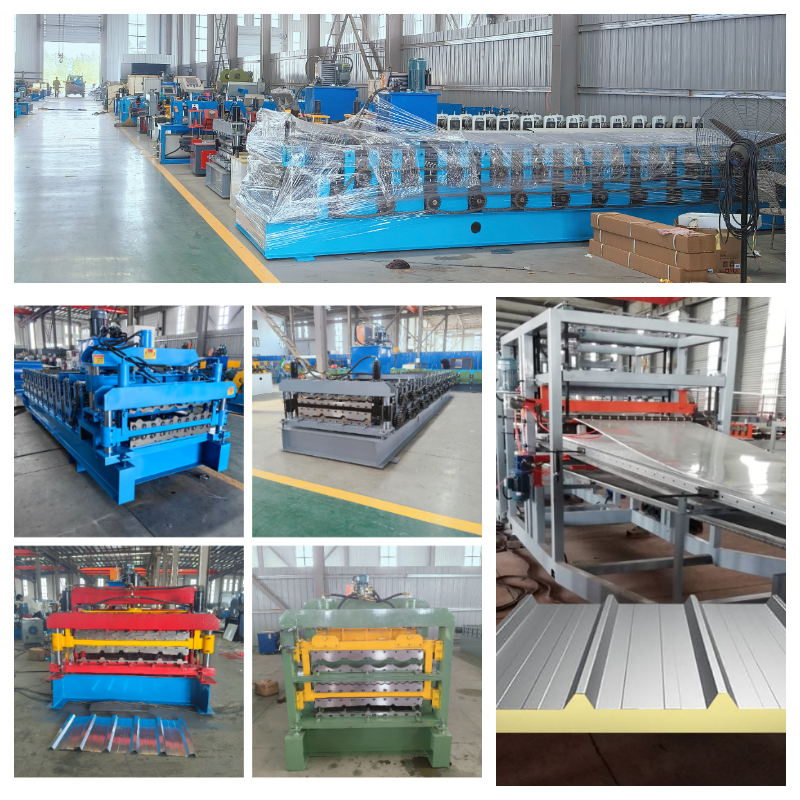
Based on our project cases, roll forming machines are widely applied in roofing systems, structural profiles, solar mounting structures, cable trays, and steel framing components. These products require long lengths, tight tolerances, and high repeatability—conditions where roll forming clearly excels.
Press brakes remain suitable for custom workshops, prototype development, or low-volume orders with frequent design changes.
When manufacturers evaluate Parfu advises matching the machine to the product lifecycle, not just the initial order.
Scalability and Long-Term Manufacturing Strategy
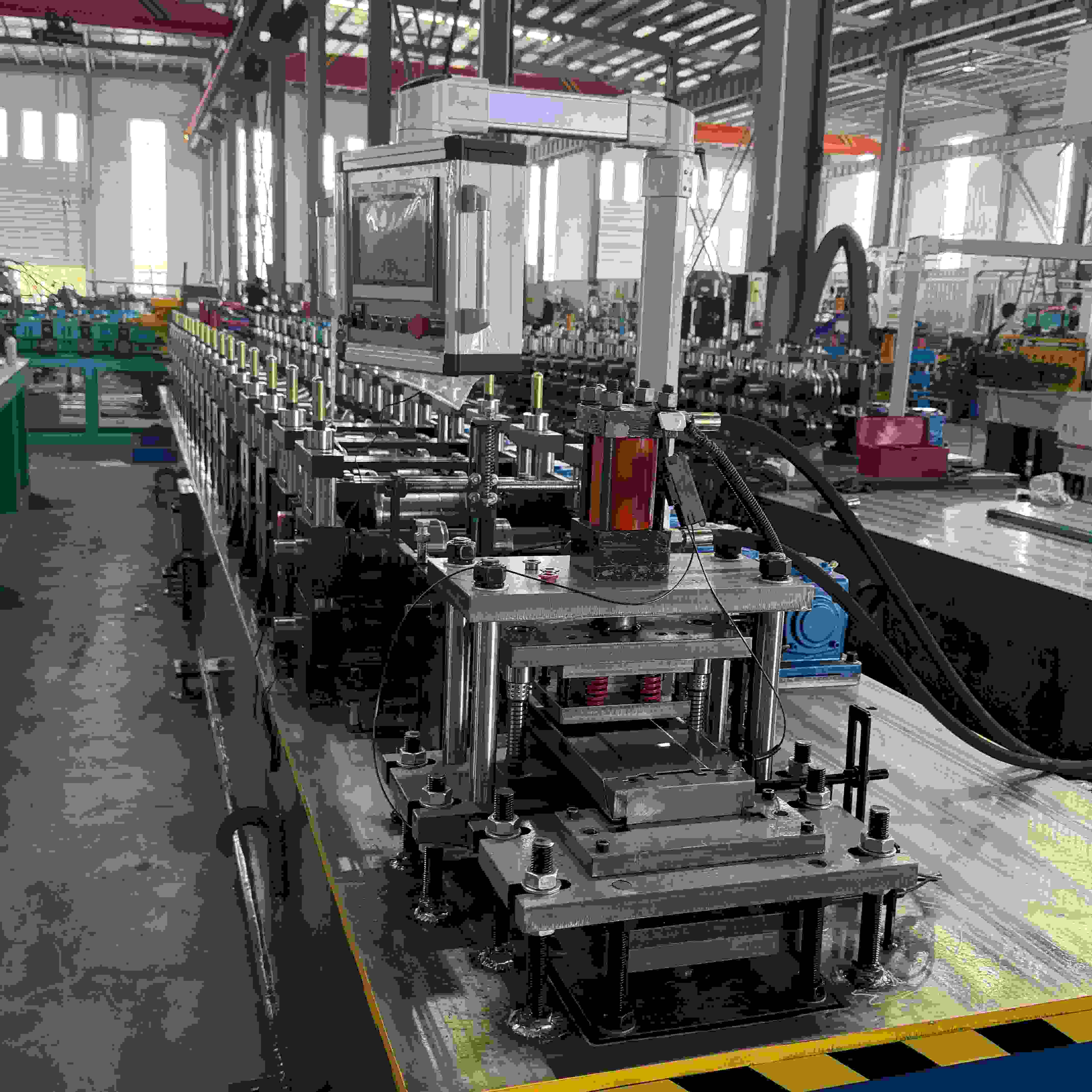
One key advantage of roll forming systems is scalability. Parfu designs roll forming lines that integrate automatic punching, hydraulic cutting, servo tracking, stacking systems, and even inline welding. These integrations allow manufacturers to build complete production lines capable of running 24/7 with consistent output.
Press brake operations, by nature, face limitations in scaling due to manual involvement and slower cycle times. As production demand increases, these constraints become more apparent.
Conclusion: Manufacturer Insight Matters
From professional manufacturing standpoint, the debate around Roll Forming Machine vs Press Brake is not about replacing one technology with another, but about choosing the right solution for sustainable production.
Press brakes offer flexibility for limited quantities, while roll forming machines provide efficiency, consistency, and scalability for industrial manufacturing. Understanding this distinction enables manufacturers to invest with confidence and remain competitive in global markets.
We use cookies to offer you a better browsing experience, analyze site traffic and personalize content. By using this site, you agree to our use of cookies. Privacy Policy