News

News

Fully Automatic vs Semi Automatic Roll Forming Machine: Which Is Better for Your Factory?

2026-01-27 0 Leave me a message

Fully Automatic vs Semi Automatic Roll Forming Machine

A Practical Solution Guide for Factory Production

Choosing between a fully automatic roll forming machine and a semi automatic roll forming machine is not just a technical decision. It directly affects production efficiency, labor cost, product consistency, and long-term factory stability.

Based on our experience supplying roll forming equipment to factories in the Middle East, Africa, Eastern Europe, and Southeast Asia, this guide focuses on how these two solutions perform in real production environments.

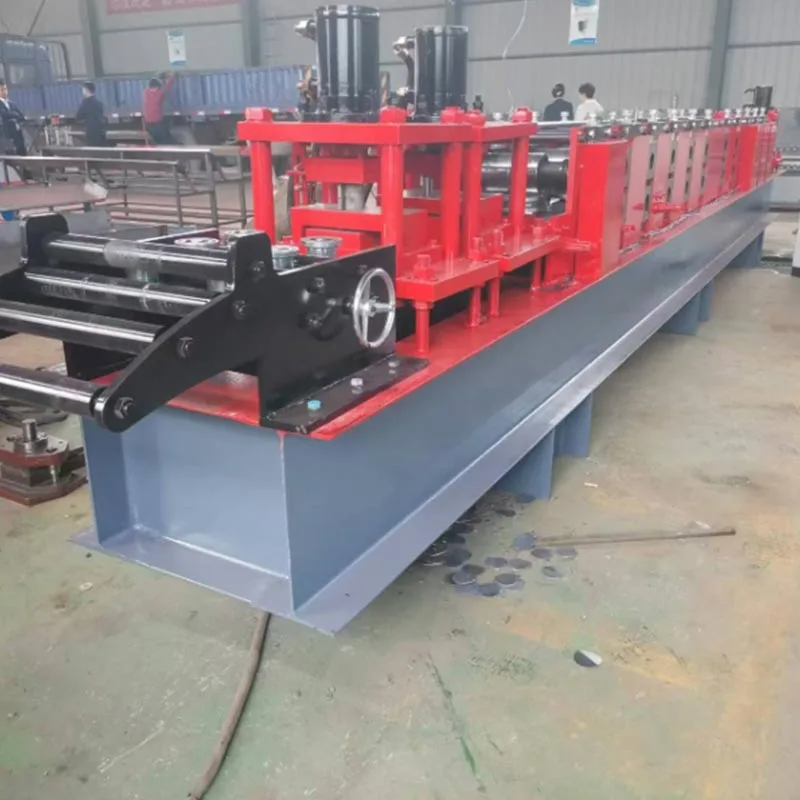
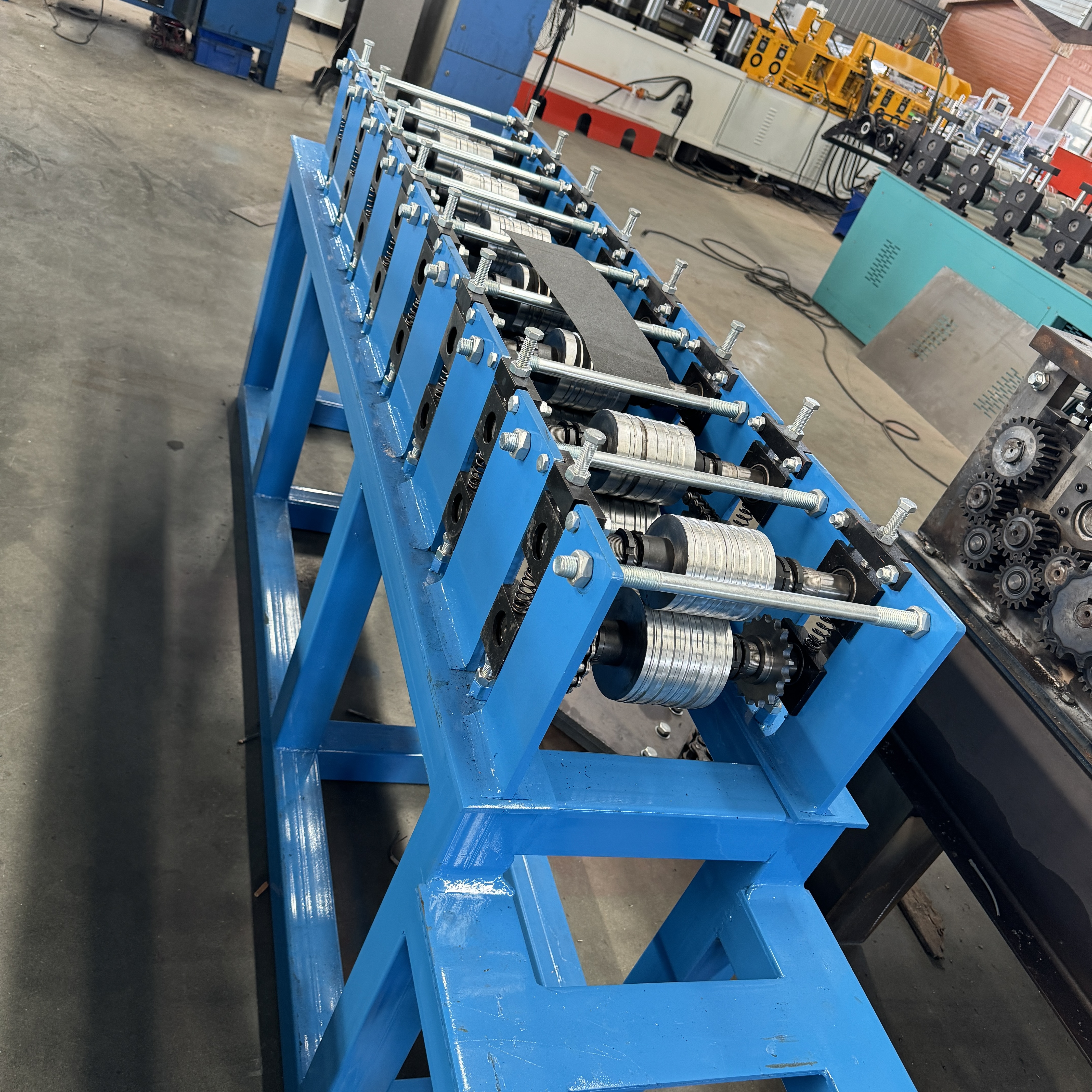
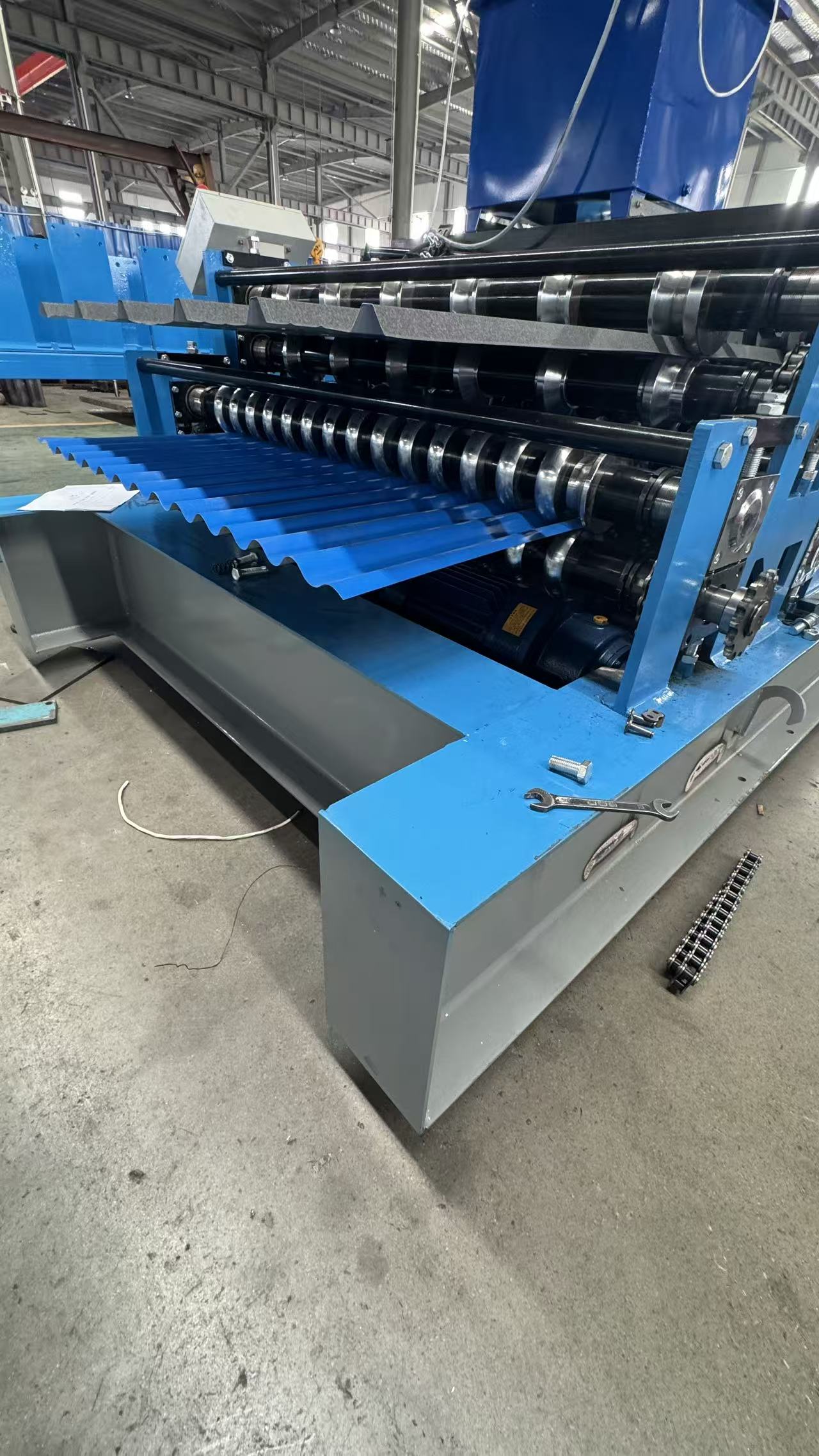
A semi automatic roll forming machine automates the forming and cutting process, while material loading and finished product stacking are handled manually. This solution is commonly used by small and medium-sized factories, especially during early production stages or when multiple profiles are required on one line.

Its main advantages include lower initial investment, simple structure, and high flexibility for short production runs or profile changes. However, production stability and output consistency rely more heavily on operator experience.

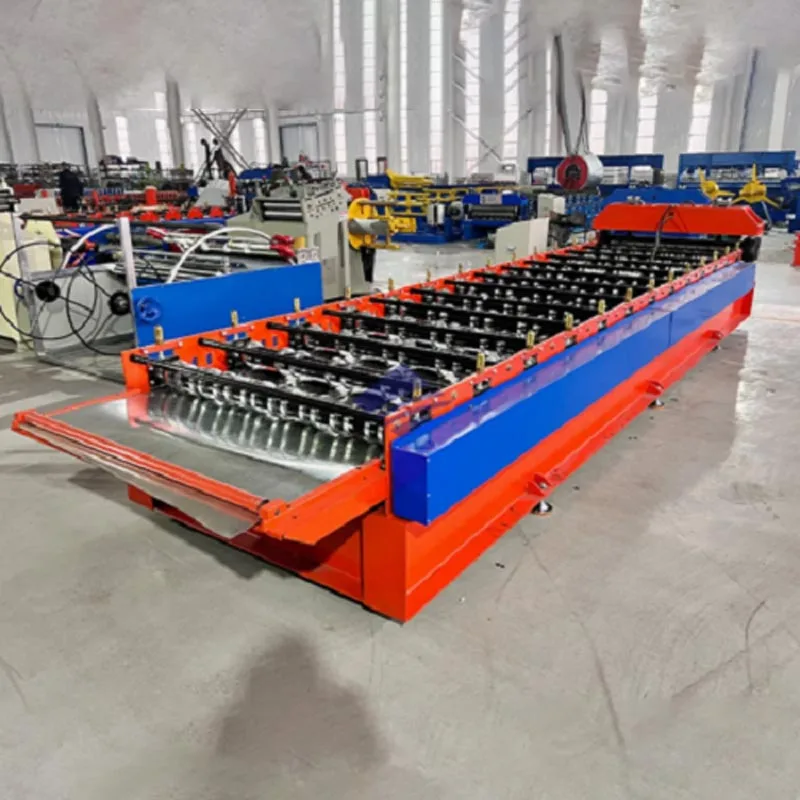
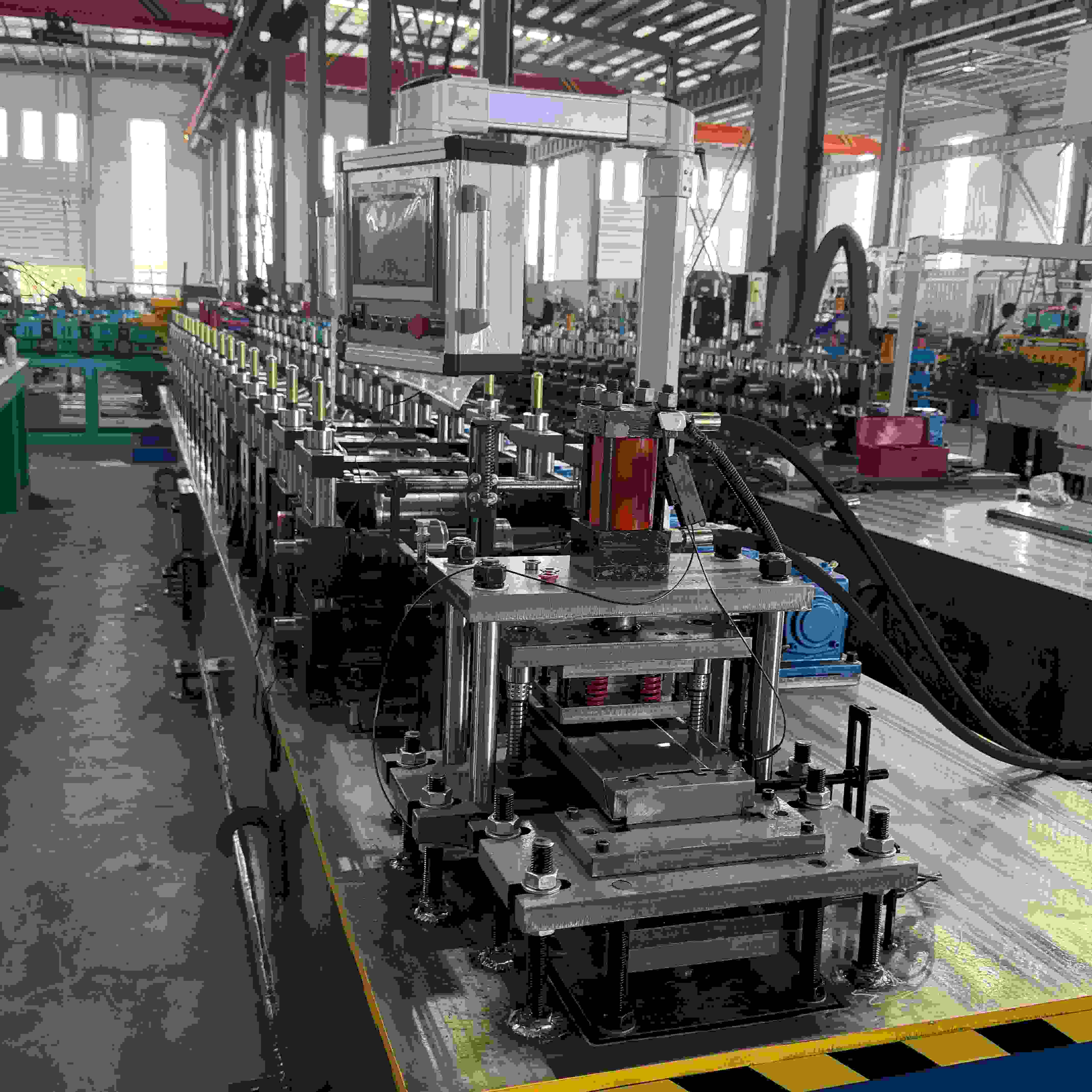
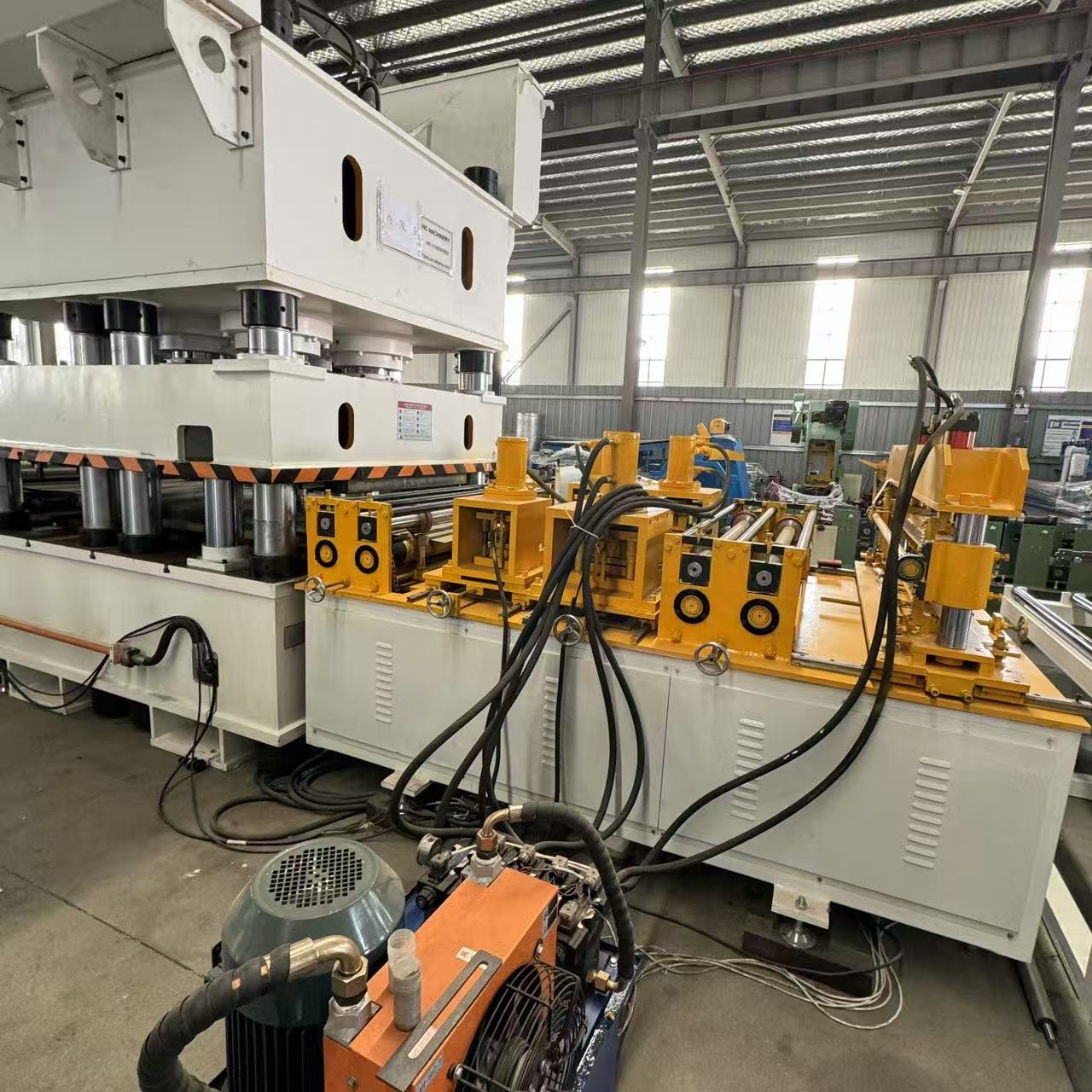
In contrast, a fully automatic roll forming machine integrates decoiling, feeding, forming, cutting, and stacking into a synchronized roll forming line controlled by a PLC system. This solution is widely adopted by factories serving large construction projects or export markets.

Fully automatic systems offer continuous production, precise length control, reduced labor dependency, and stable product quality over long shifts. Although the initial investment is higher, they often deliver better long-term efficiency in high-volume production.

From real factory cases, semi automatic roll forming machines are suitable when production volume is limited, labor is available, and investment needs to be controlled. Fully automatic roll forming machines are recommended when output demand is high, labor costs are rising, and future expansion is planned.

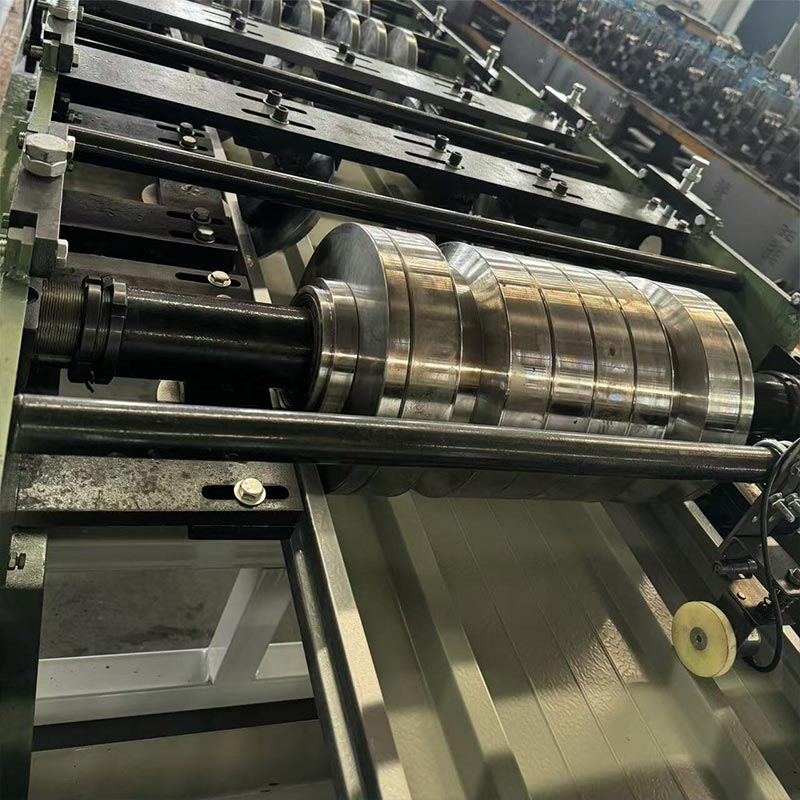
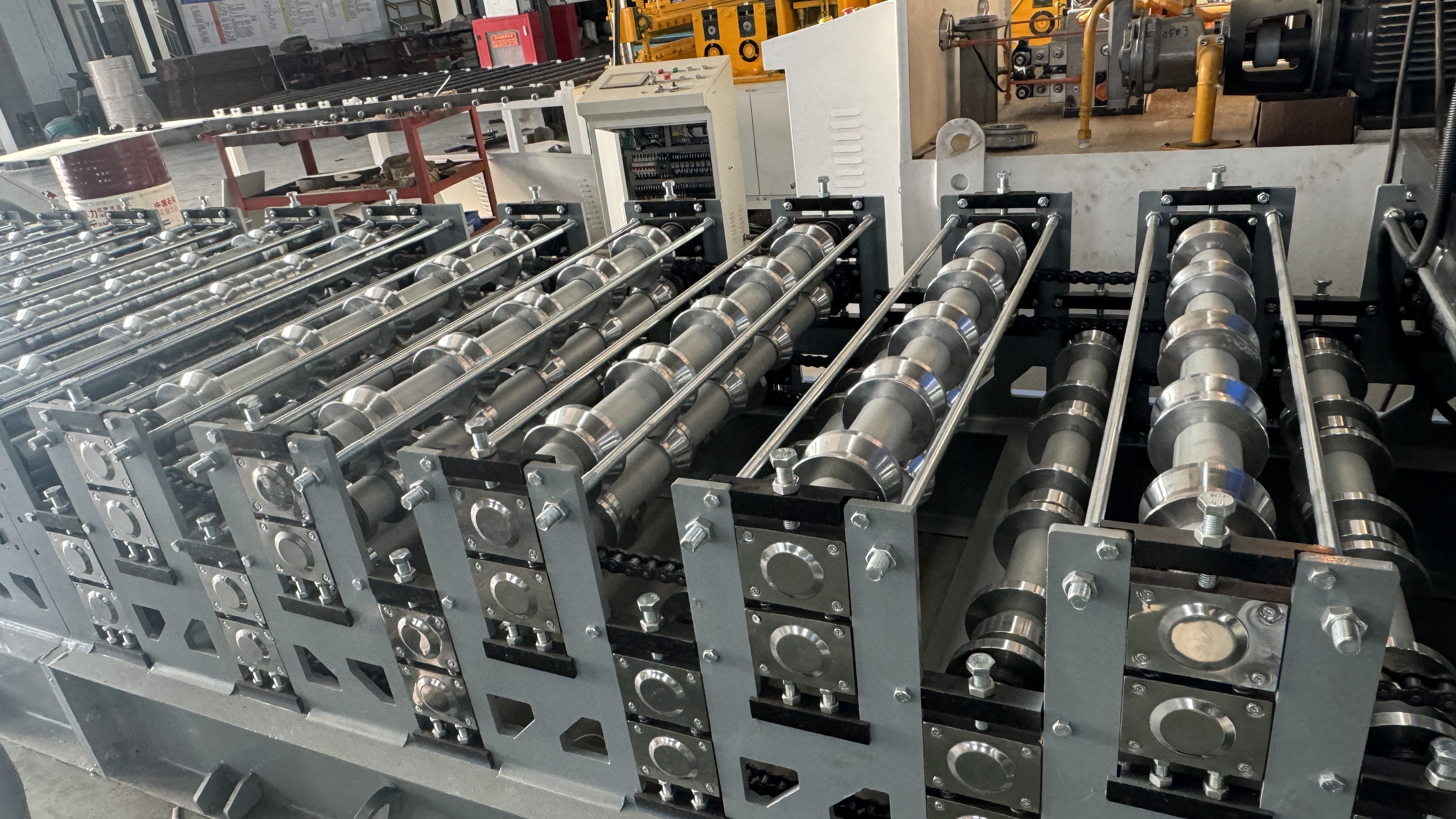
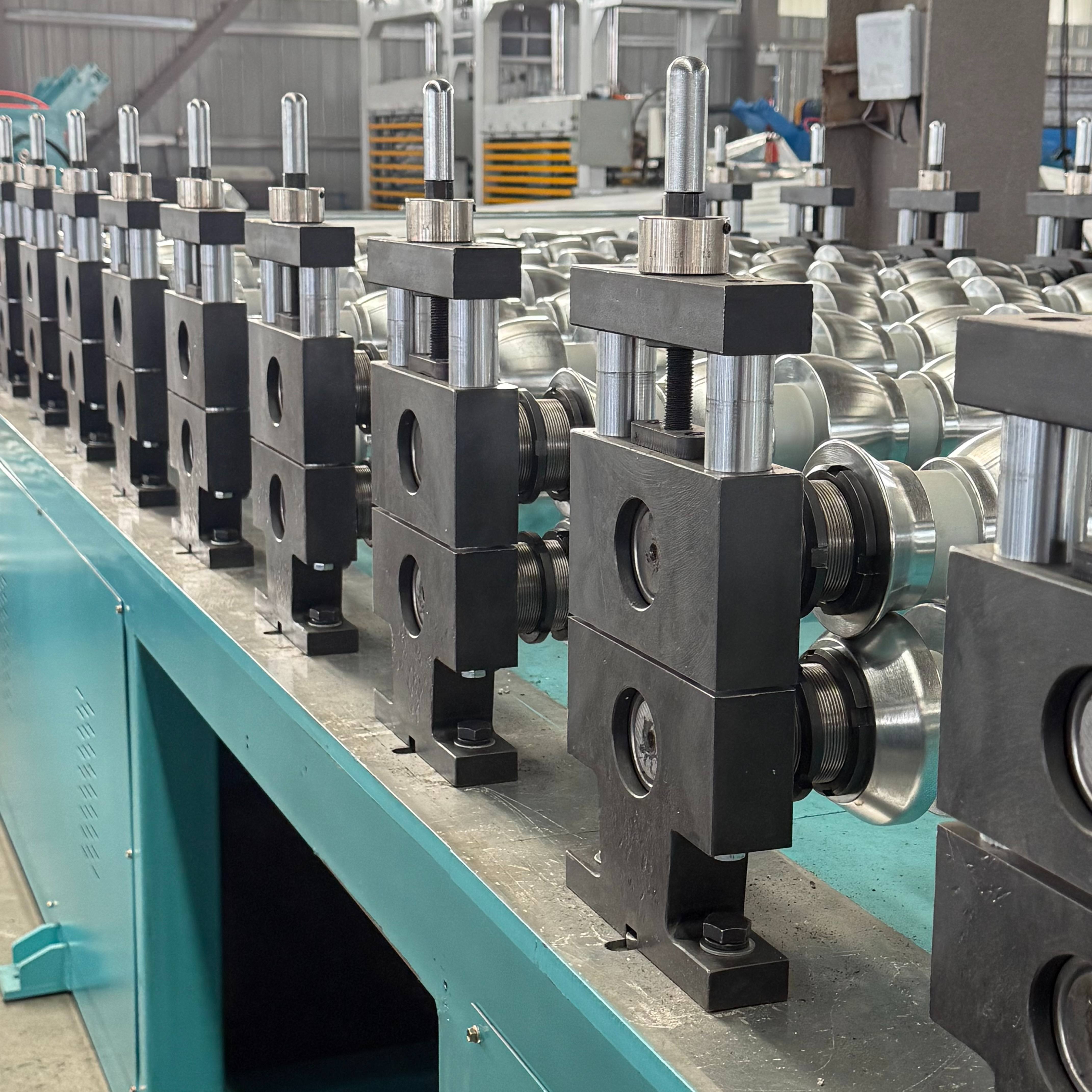
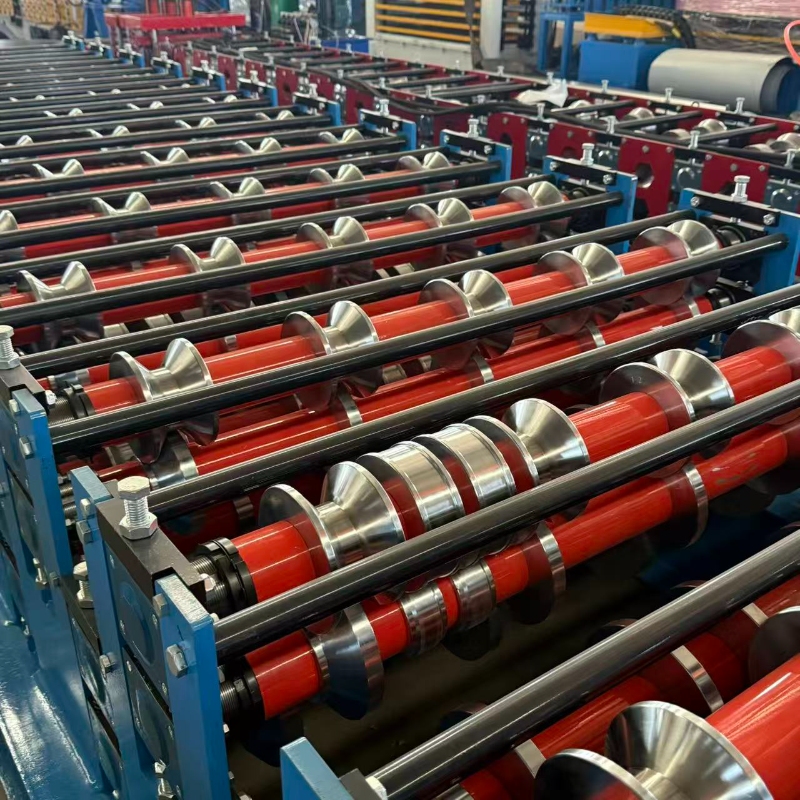
Regardless of automation level, machine performance depends on roll design accuracy, roller material and heat treatment, machine frame rigidity, and control system reliability. An experienced roll forming machine manufacturer should evaluate your production goals and factory conditions before recommending a solution.

There is no one-size-fits-all answer. The right roll forming solution comes from understanding your actual production needs and choosing equipment that supports stable output and long-term growth.

Related News
Leave me a message
X
We use cookies to offer you a better browsing experience, analyze site traffic and personalize content. By using this site, you agree to our use of cookies. Privacy Policy
RejectAccept