Common Problems and Solutions in Roll Forming Production
Roll forming is a highly efficient manufacturing process, but operators frequently encounter technical challenges that disrupt production continuity. Addressing these issues promptly ensures a high-quality roll forming line and minimizes material waste. Below are the most common roll forming defects and how to fix them.
1. Profile Deformation and Twisting
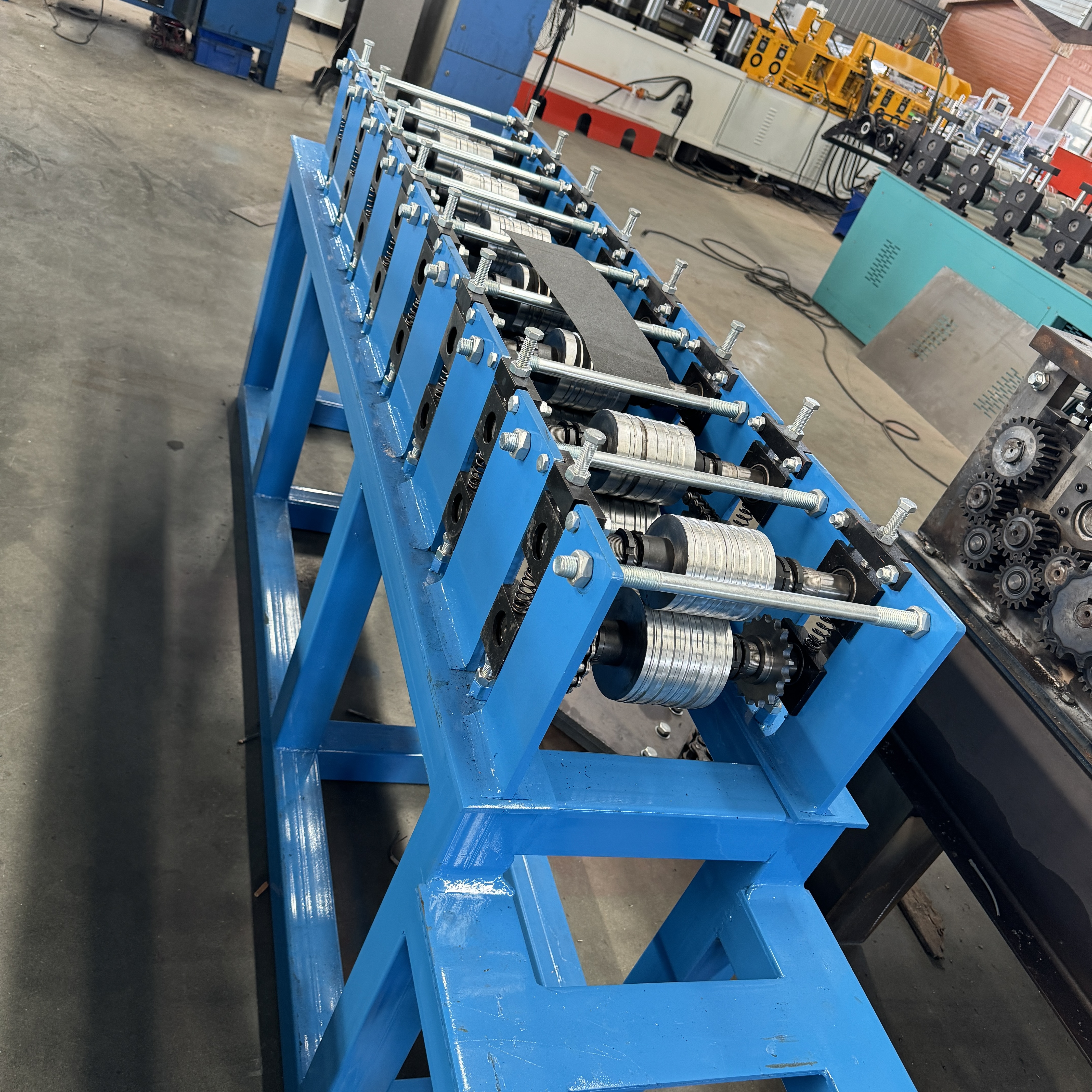
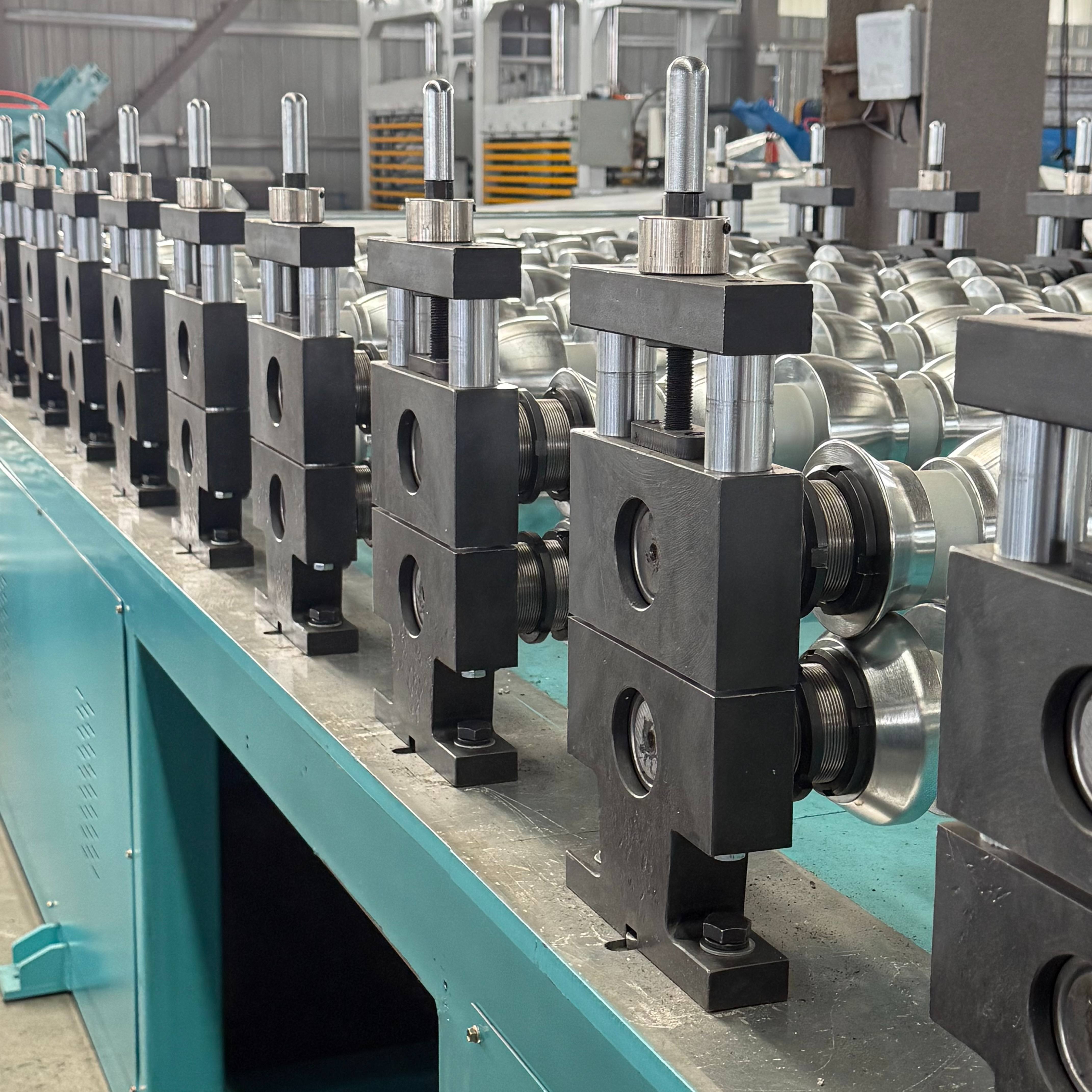
One of the most prevalent roll forming production problems is profile deformation, including twisting, cambering, or bowing of the final product. This is usually caused by uneven pressure distribution across the forming rollers or incorrect alignment of the machine stations.
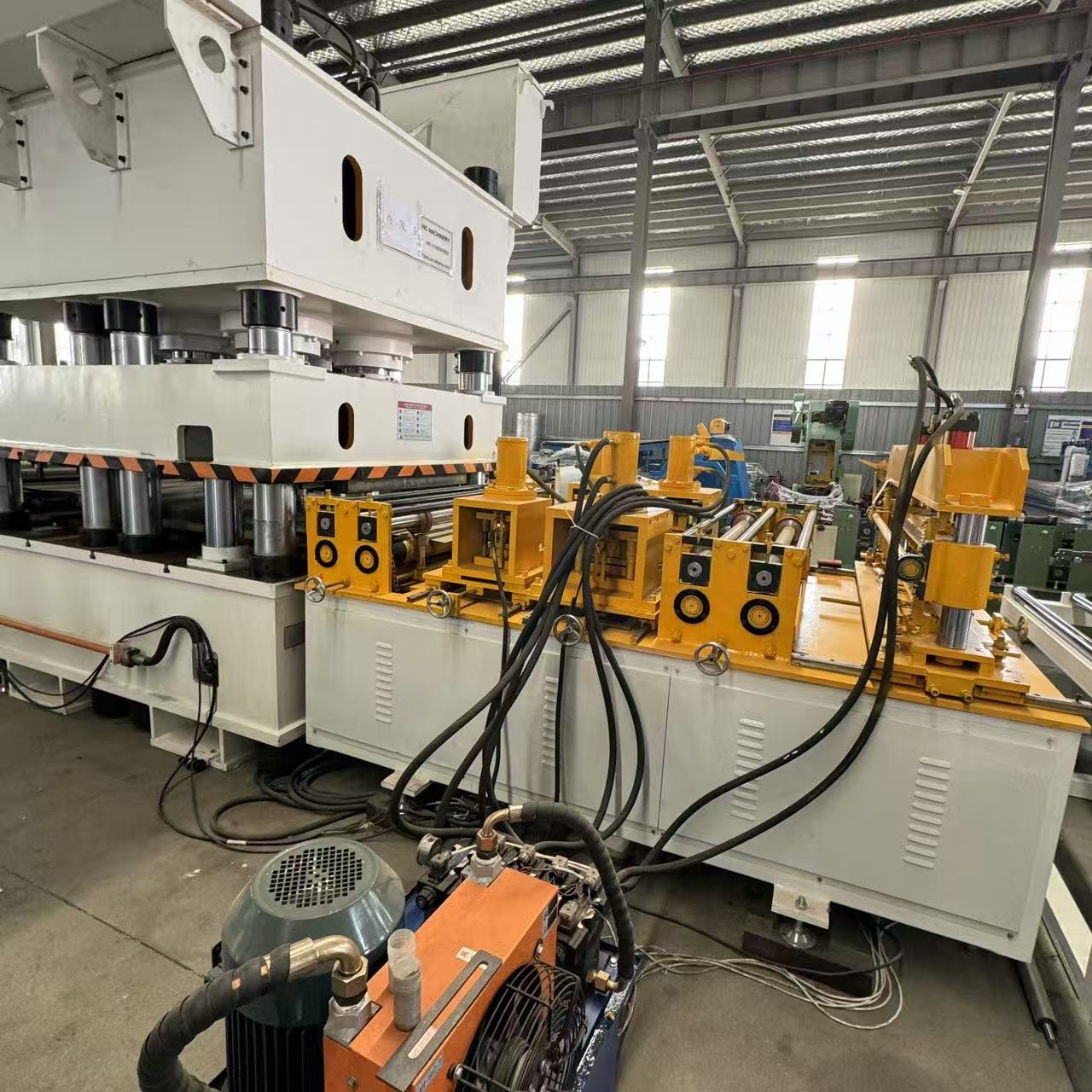
The Solution: Regularly calibrate your industrial roll forming mill. Ensure that the centerline of all roller stations is perfectly aligned. Implementing a heavy-dutystraightening deviceat the exit of the machine can also effectively counteract residual stress in the sheet metal.
2. Surface Scratching and Scuffing
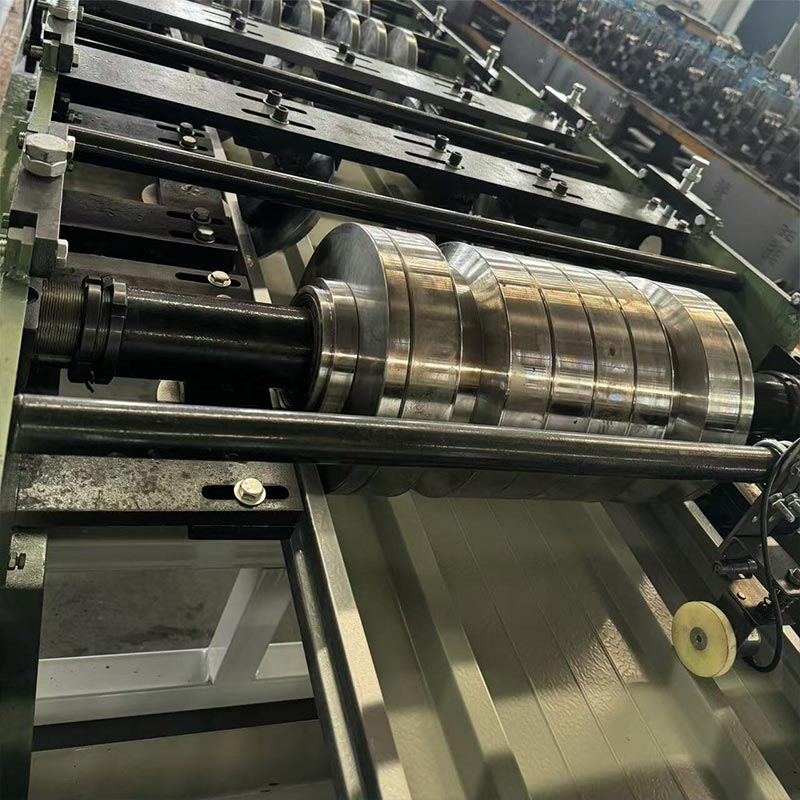
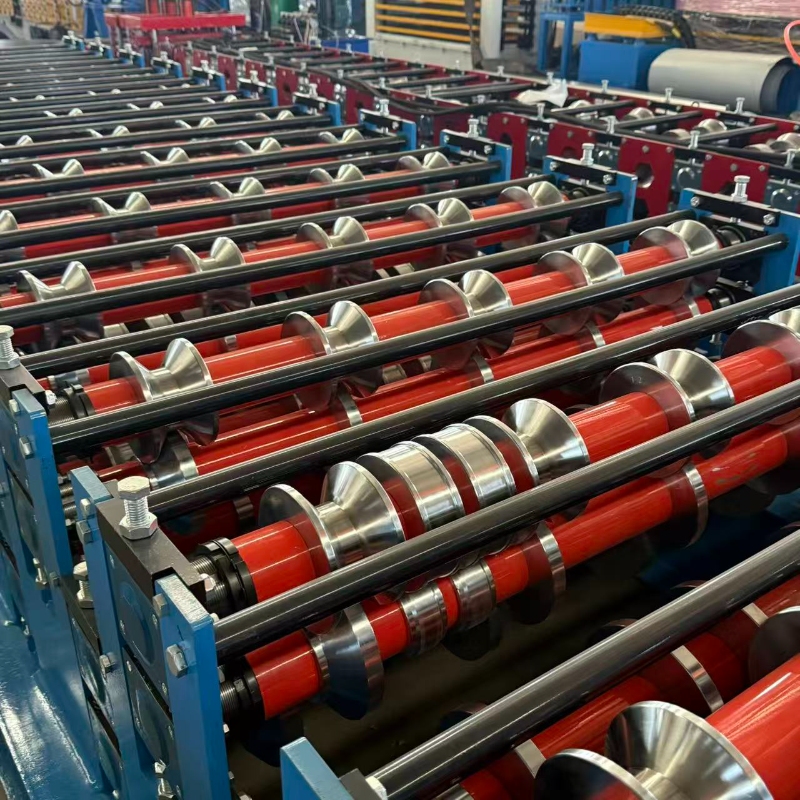
Scratches on the formed profiles not only ruin the aesthetic appeal but also compromise the corrosion resistance of coated steel sheets. This issue often stems from friction between the metal sheet and mismatched roller speeds, or debris accumulated on the rollers.
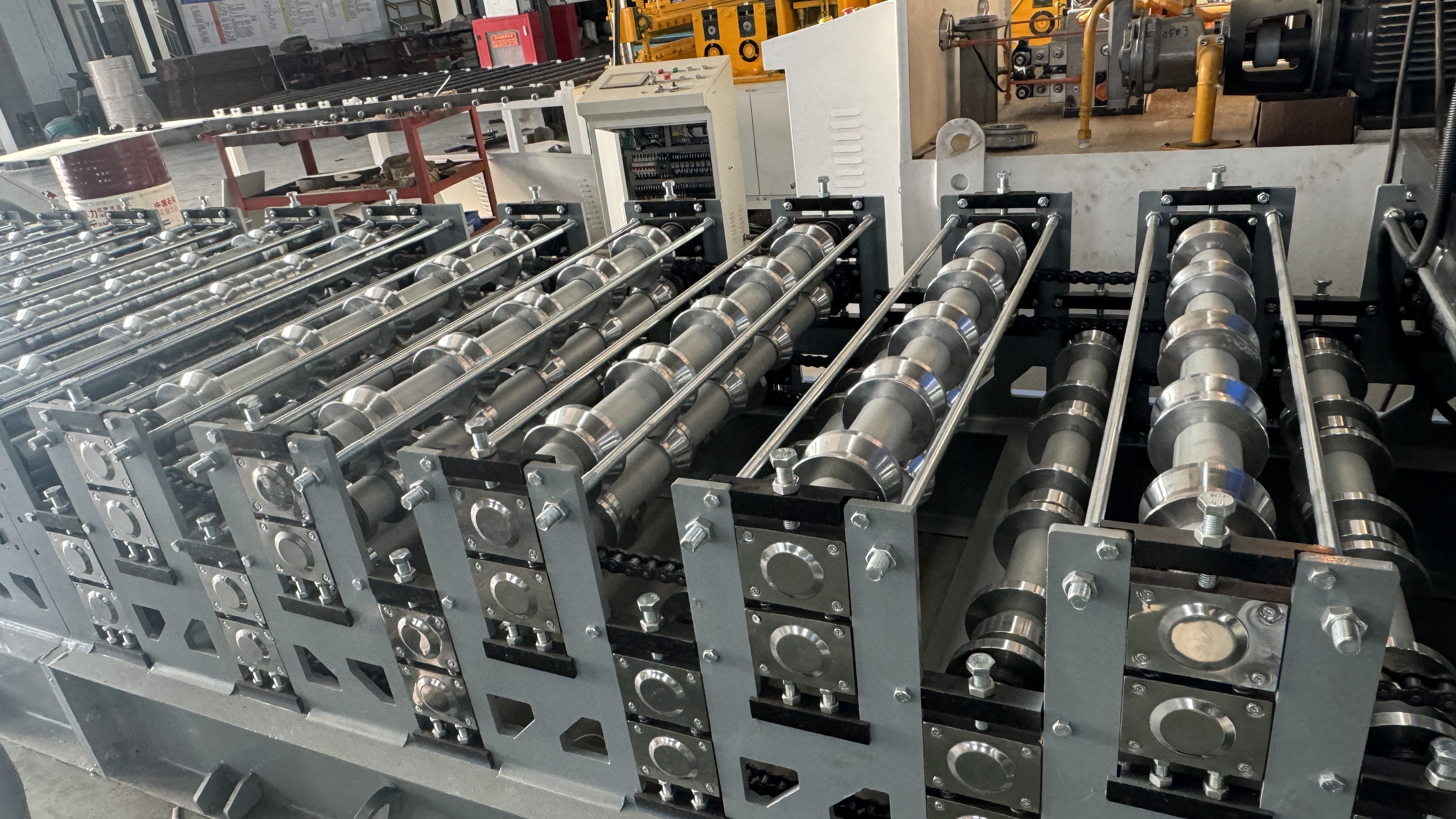
The Solution: Standard roll forming machine maintenance requires frequent cleaning of the roller surfaces. Additionally, integrating an automated lubrication system or utilizing rollers coated with specialized materials (such as Cr12MoV chrome plating) significantly reduces friction.
Need an upgrade? Explore theParfu High-Precision Roll Forming Seriesengineered with premium-grade rollers to guarantee scratch-free production.
3. Edge Wave and Wrinkling
Edge waves occur when the edges of the metal strip travel a longer distance than the center during the sheet metal forming process. This uneven stretching leads to visible wrinkling, which rejects the product from strict quality control standards.
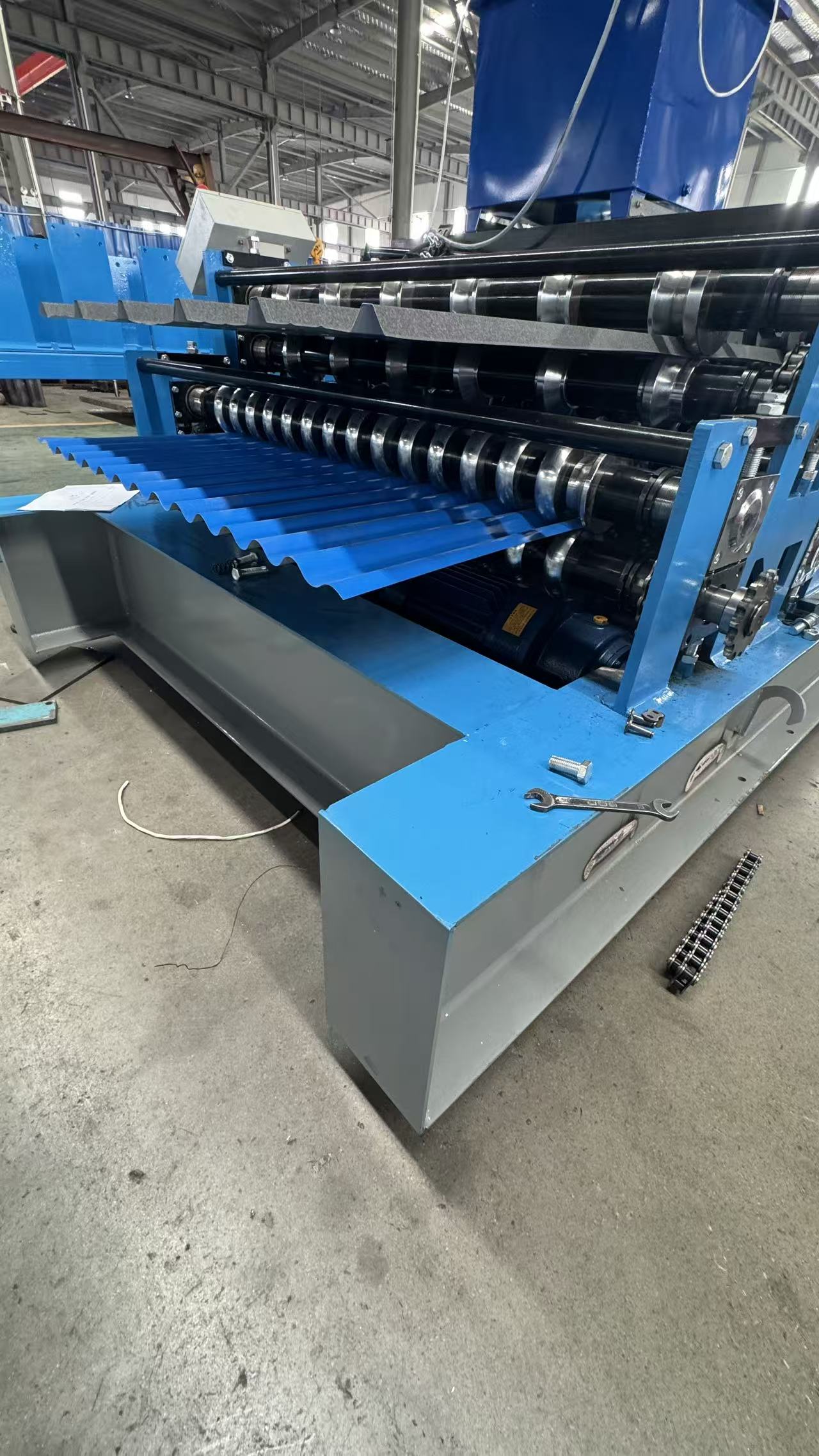
The Solution: Optimize the flower design (forming steps) to ensure the material undergoes gradual deformation. If you are experiencing persistent issues, it might be time to invest in a more robust system. You canbuy roll forming machinesolutions from Parfu that feature precision-engineered multi-stage forming passes to distribute stress evenly.
Technical Troubleshooting Checklist
Common Defect
Primary Root Cause
Quick Fix / Corrective Action
Twisting/Bowing
Misaligned roll stations
Re-align centerlines and adjust the straightening block.
Surface Scratches
Debris or incorrect roller speed
Clean rollers and apply proper lubrication.
Edge Waves
Excessive forming pressure per pass
Redesign the forming steps or adjust roller clearance.
Inaccurate Cutting
Encoder slippage or hydraulic lag
Calibrate the PLC system and check hydraulic valves.
We use cookies to offer you a better browsing experience, analyze site traffic and personalize content. By using this site, you agree to our use of cookies. Privacy Policy