Products

Products

Advertising Steel Gusset Plate Cold Roll Forming Machine
  • Advertising Steel Gusset Plate Cold Roll Forming MachineAdvertising Steel Gusset Plate Cold Roll Forming Machine
  • Advertising Steel Gusset Plate Cold Roll Forming MachineAdvertising Steel Gusset Plate Cold Roll Forming Machine
  • Advertising Steel Gusset Plate Cold Roll Forming MachineAdvertising Steel Gusset Plate Cold Roll Forming Machine
  • Advertising Steel Gusset Plate Cold Roll Forming MachineAdvertising Steel Gusset Plate Cold Roll Forming Machine
IMG
VIDEO

Advertising Steel Gusset Plate Cold Roll Forming Machine

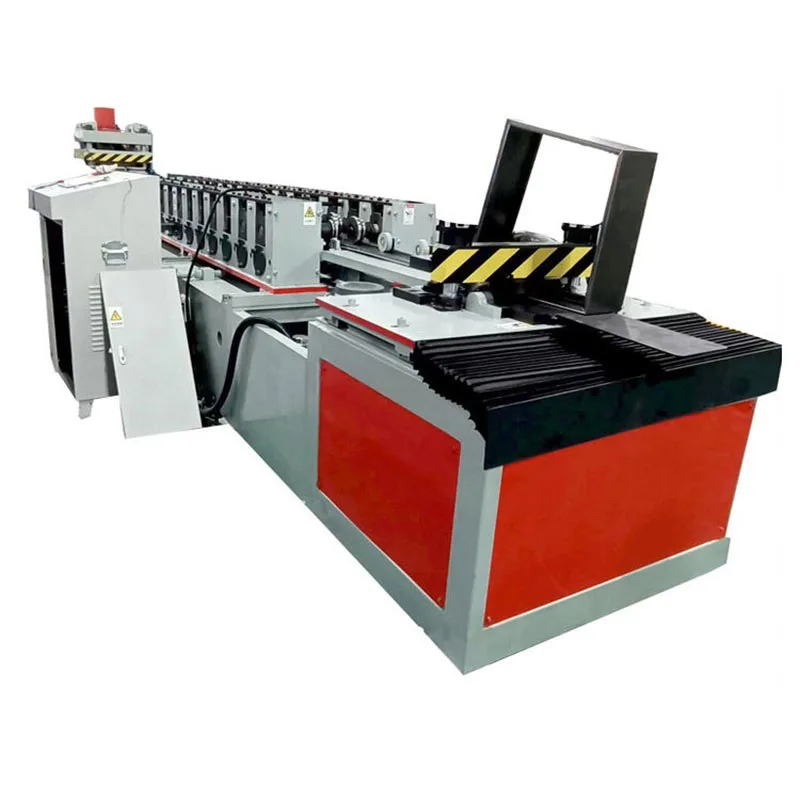
This Advertising Steel Gusset Plate Cold Roll Forming Machine is designed for cold roll forming. It is a specialized piece of industrial equipment. Its purpose is to mass-produce steel gusset plates. These plates are also known as connector plates or nail plates. They are essential components in the construction industry. They are used primarily to join timber elements. This creates strong, stable structures.

The Advertising Steel Gusset Plate Cold Roll Forming Machine transforms flat, coiled steel strip into finished gusset plates. It does this through a cold-forming process. This is a highly efficient and precise process. It is the backbone of modern truss and frame manufacturing. With this Machine , production achieves consistency. It also gains speed and high quality.

Primary Use Cases and Applications

The Advertising Steel Gusset Plate Cold Roll Forming Machine's output is critical in several sectors.

Roof and Floor Truss Manufacturing: This is the primary application. Here, gusset plates join the individual wood members. Together, they create a strong triangular framework. This framework effectively distributes weight, providing critical support for roofs and floors. They reinforce floors. They are a key component in all types of buildings.

Timber Frame Construction: Large timber frames for buildings and bridges use heavy-duty gusset plates. These plates connect beams and posts. They create robust, often aesthetically exposed, structures.

Prefabricated Wooden Structures: The rise of prefab and modular homes relies on this technology. Gusset plates allow for the fast and accurate assembly of wall panels, floor cassettes, and roof sections in a factory setting.

Pallet Manufacturing: Heavy-duty pallets sometimes use gusset plates. They reinforce corners and joints. This increases the pallet's load-bearing capacity and lifespan.

Furniture and Joinery: High-strength furniture, like commercial shelving or workbenches, may use smaller gusset plates for reinforcement.

Conventional Technical Parameters

Advertising Steel Gusset Plate Cold Roll Forming Machine specifications can vary by manufacturer and customer needs. However, standard parameters provide a clear picture of its capabilities.

Processing Material:

Type: Low-carbon, cold-rolled steel strip (SPCC, Q235) or galvanized steel.

Common Thickness: 0.8 mm to 2.0 mm. Some heavy-duty models handle up to 3.0 mm.

Coil Width: Typically from 100 mm to 400 mm. This depends on the final plate size.

Production Capacity

Forming Speed: 15 to 40 meters per minute. This translates to a high number of plates per minute.

Production Output: Can produce thousands of plates per shift. This depends on plate size and speed.

Forming Station

Number of Rolls: Usually between 10 and 20 sets of forming rolls. The number depends on the plate's design complexity.

Roll Material: High-carbon chromium steel (GCr15) or alloy tool steel. These are hardened and ground to a mirror finish. This ensures durability and a smooth surface on the product.

Drive System

Power: The main motor is typically 7.5 kW to 15 kW. This provides the necessary torque.

Transmission: Hardened gearboxes connected by a heavy-duty drive shaft. This ensures all stations rotate in perfect synchronization.

Control System

Type: Programmable Logic Controller (PLC) with a Human-Machine Interface (HMI) touchscreen.

Functions: Speed control, production counting, fault diagnostics, and system monitoring.

Punching System

Method: A high-precision hydraulic or mechanical punching unit. It is integrated into the roll forming line.

Function: It creates the nail teeth and any necessary holes in the plate. The pattern is customized using a punch and die set.

Cutting System

Type: Hydraulic or servo flying cut-off system.

Function: It cuts the continuously formed profile into precise individual lengths. The cutting length is programmable on the HMI.

What are the advantages and features of this machine?

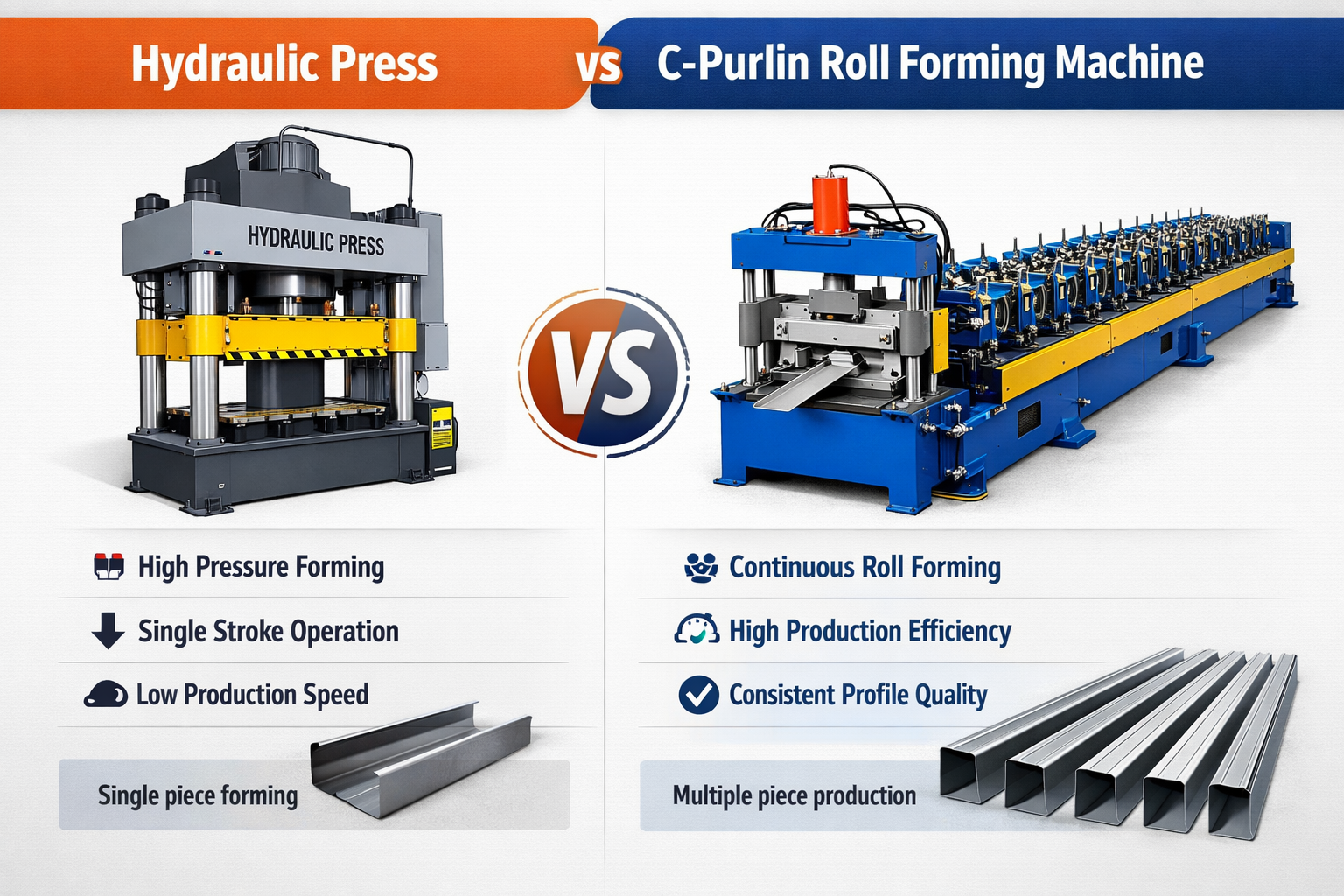
This machine offers significant advantages over outdated manufacturing methods like manual punching or single-station press braking.

High Production Efficiency: It is a continuous process. The machine uncoils, forms, punches, and cuts non-stop. This results in a massive output. It dramatically outpaces any manual or semi-automatic method.

Superior Consistency and Quality: This process guarantees consistency in every gusset plate. It ensures precise shape, tooth height, and dimensions. Human error is eliminated. Ultimately, this builds stronger and more reliable structures.

Fully Automated Operation: Once set up and fed with coil material, the machine runs automatically. It requires minimal operator intervention. Typically, one operator can manage multiple machines. This saves on labor costs.

Material Savings: Using coiled steel strip is highly efficient. It generates very little scrap compared to cutting from sheet metal. The process is optimized to minimize waste. This reduces raw material costs.

Low Operational Cost: The Advertising Steel Gusset Plate Cold Roll Forming Machine is electrically powered. It has few consumable parts besides occasional lubrication. Its high durability means a long service life and low maintenance costs per unit produced.

Flexibility and Customization: The machine is designed for a specific plate profile. However, it can be adapted. By changing the forming rolls, different shapes can be made. By switching the punch and die sets, new designs are possible. This gives manufacturers flexibility to serve diverse markets.

Enhanced Workplace Safety: The process is fully enclosed and automated. The high-speed forming and punching are fully automated. Operators are physically separated from these hazardous stages. By design, this physical separation drastically lowers the risk of accidents and injuries.

Detailed Machine Description and Components

The Machine is an integrated system. It combines several key components.

1. Decoiler and Feeding Unit

This is the starting point. It holds the heavy coil of steel strip. The machine uses a mandrel to securely hold the coil. A pay-off mechanism then unwinds the metal strip. The process is smooth and consistent. A tensioning device is also used. This ensures the coil never unspools uncontrollably.

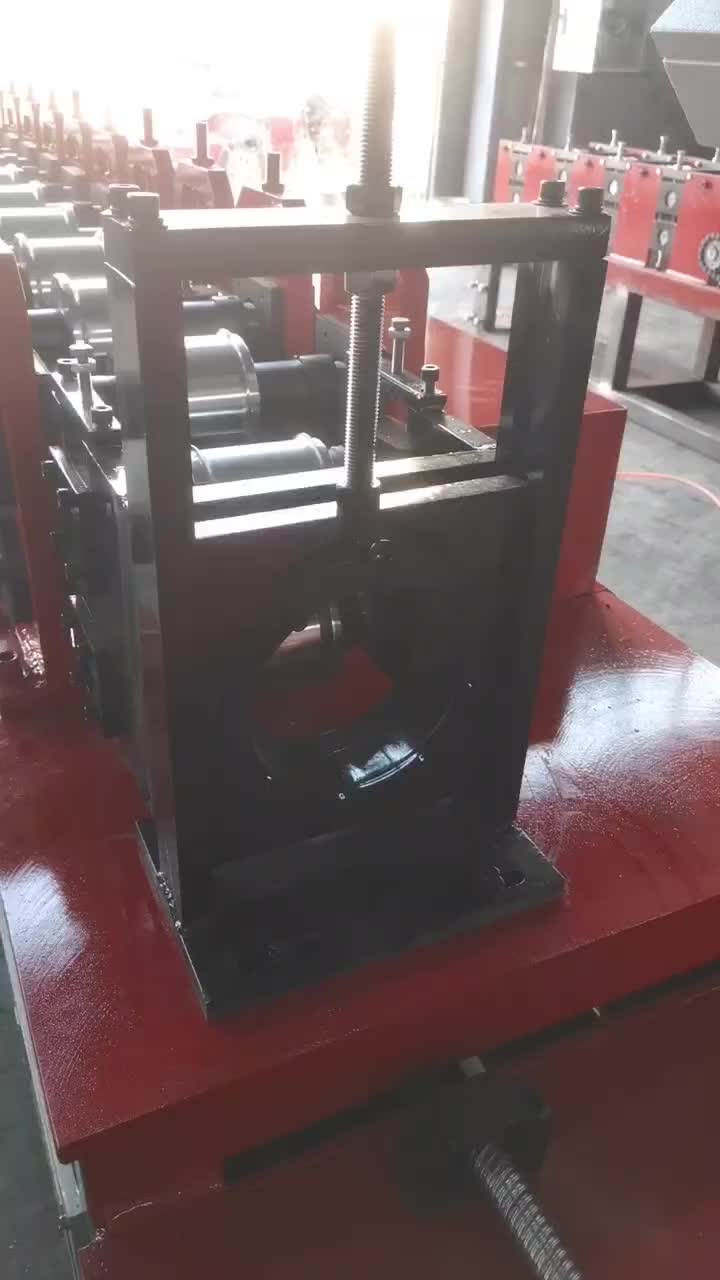
2. Entry Guide and Leveling Device

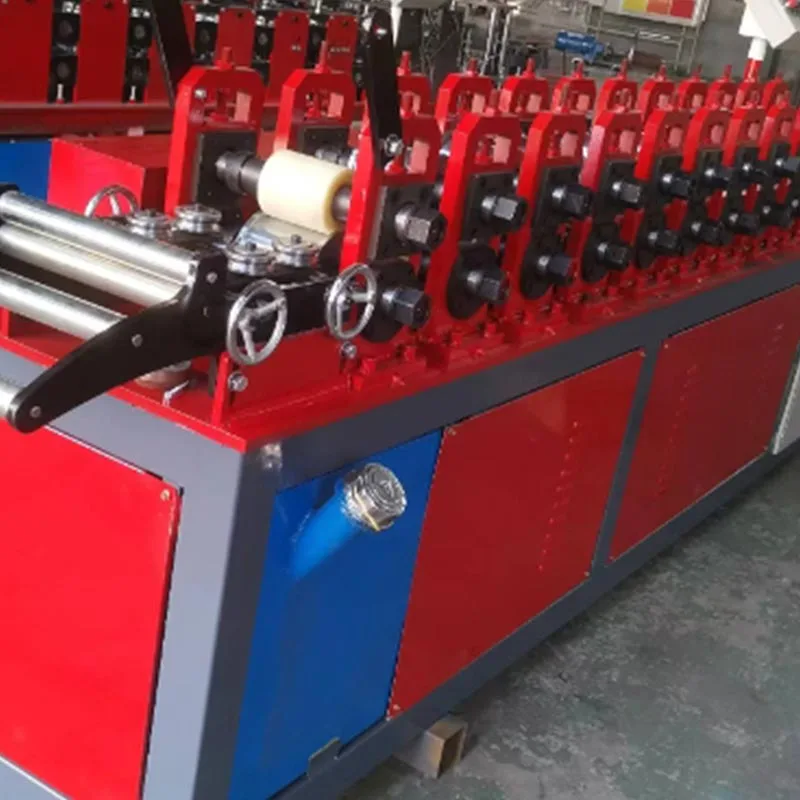
The steel strip from the coil may have slight curls or bends. This section guides the strip into the machine. It often has a set of leveling rollers. These rollers flatten the strip. This ensures a perfectly flat material enters the forming section. This is critical for final product quality.

3. Main Roll Forming Station

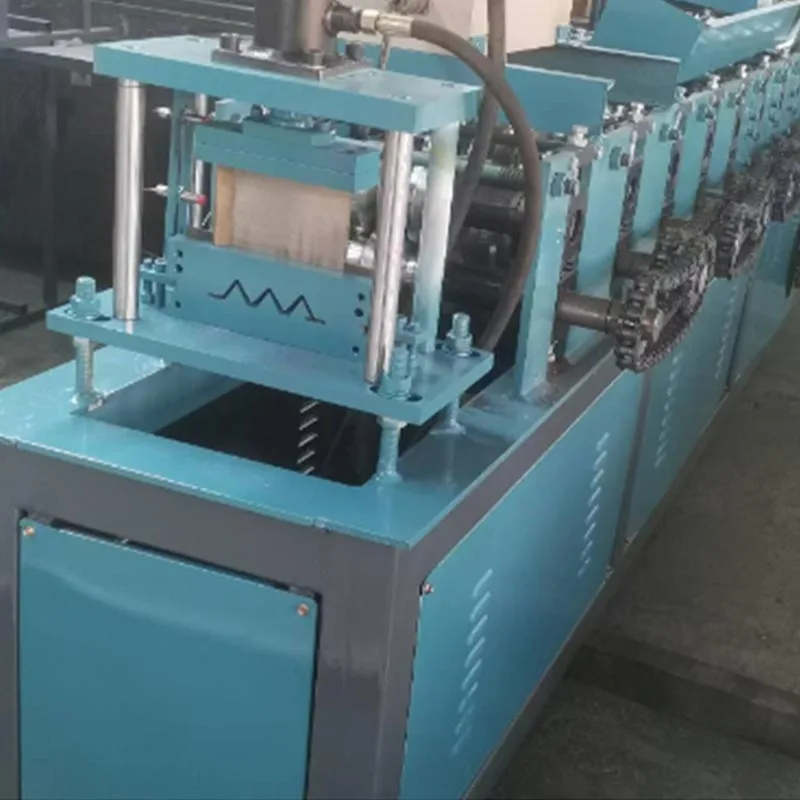
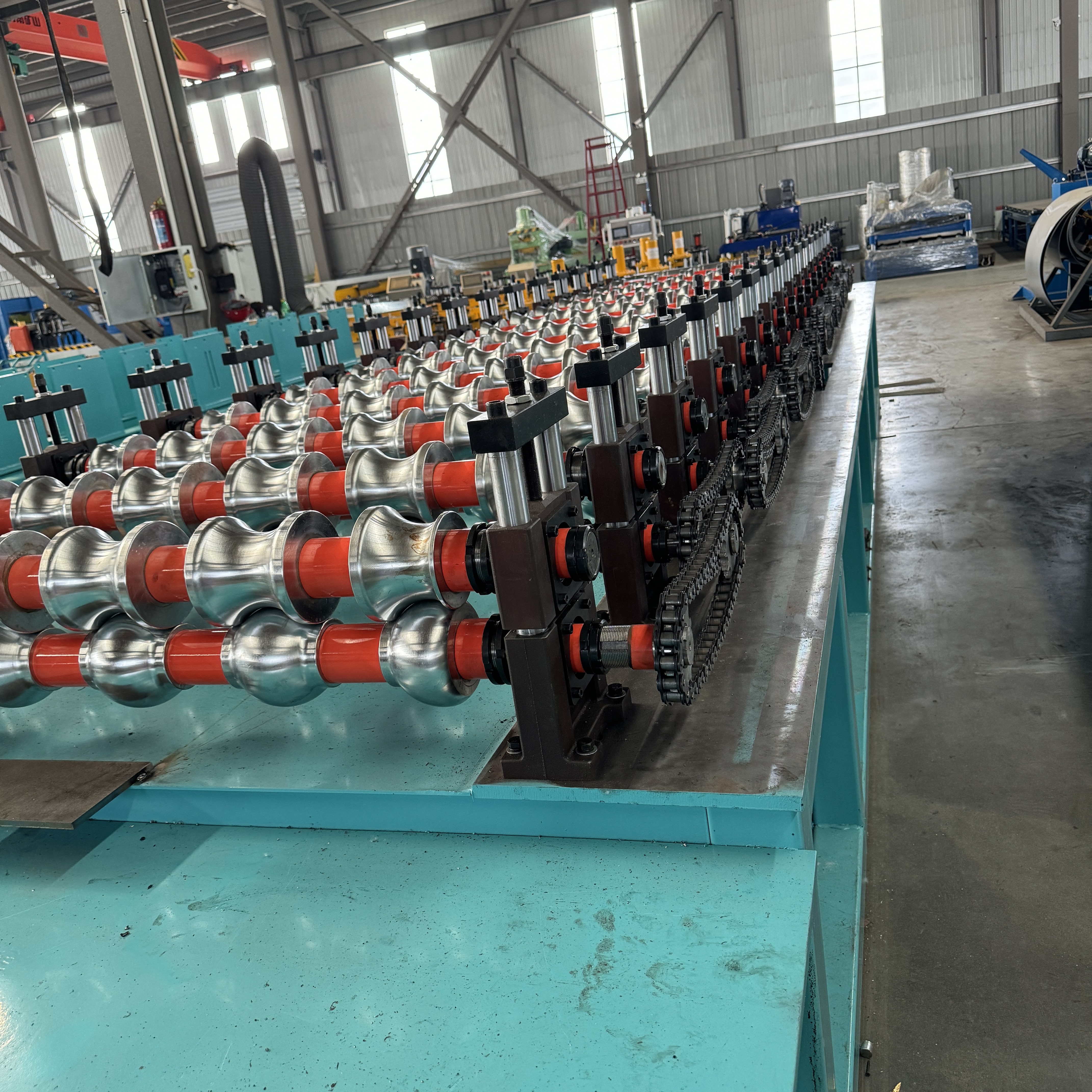
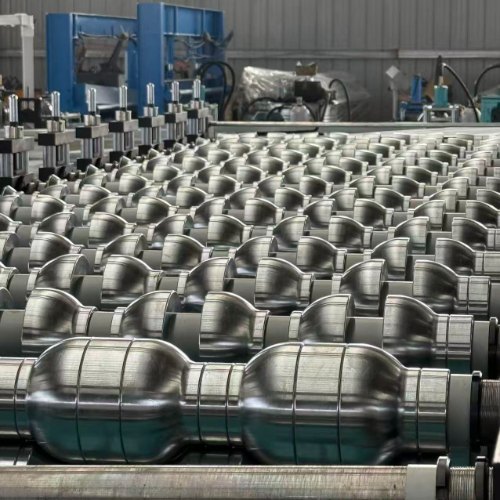
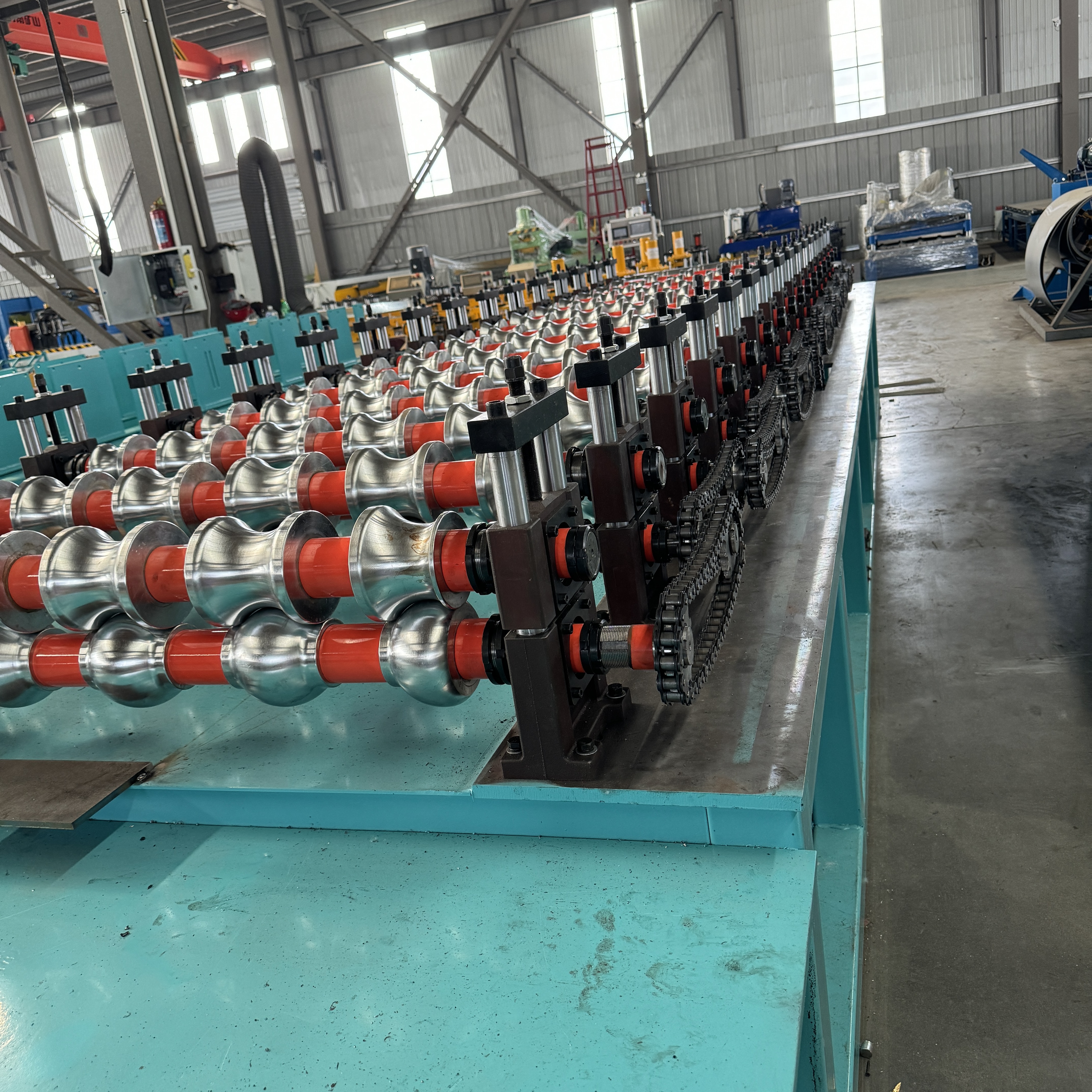
This section is the machine's heart. It is a series of stands. Each stand has precision top and bottom rollers. The roller profile changes at each station. The metal strip is progressively bent into its final, complex shape.

4. Integrated Punching Unit

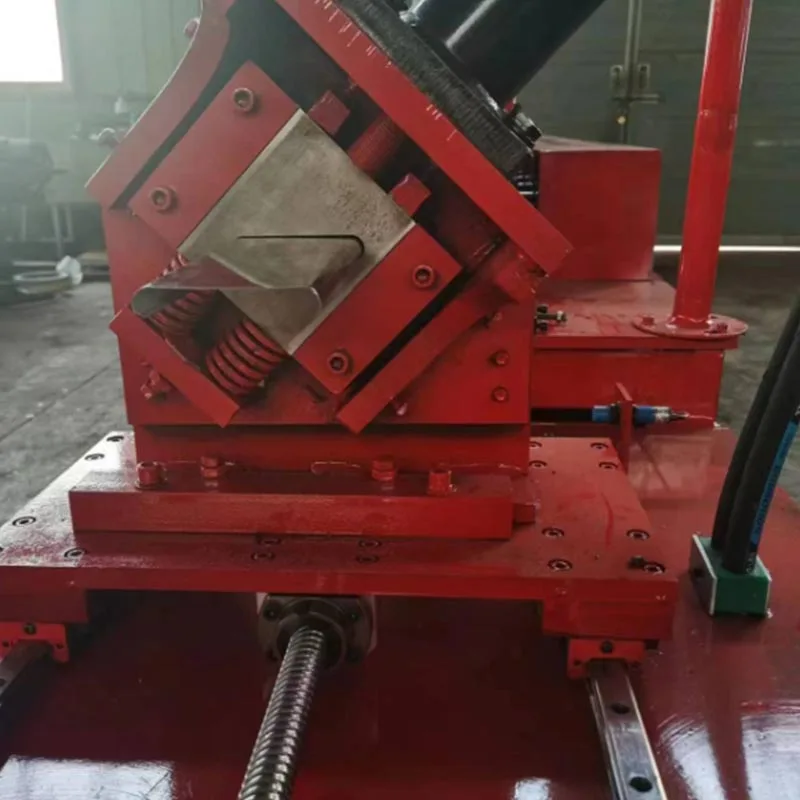
Located within or just after the forming stations, this unit creates the plate's defining features. A hydraulic power pack drives a punching head. A custom-designed punch and die set is used. In one or more strokes, it punches out the pattern of sharp, projecting nail teeth and any large service holes. The synchronization with the moving strip is precise.

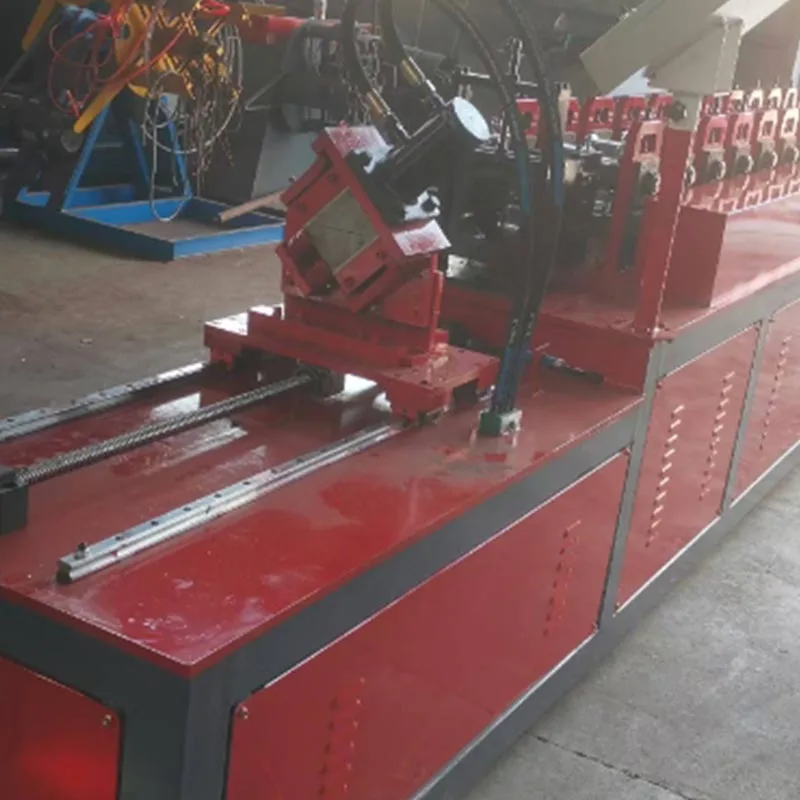
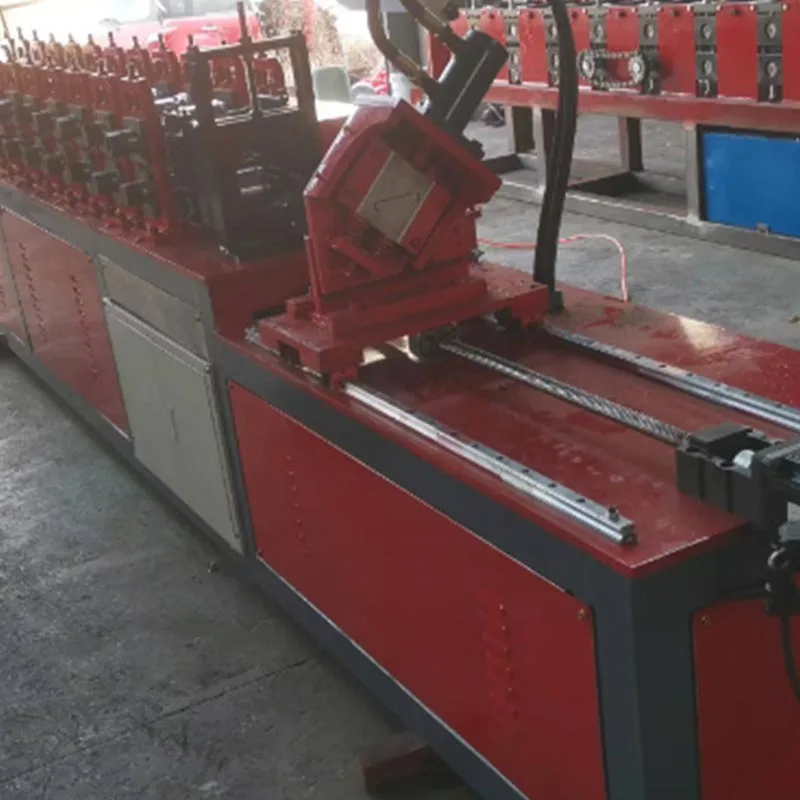
5. Servo Flying Cut-Off System:

The formed and punched profile is now a continuous ribbon. The cut-off system clamps onto this moving profile. It moves synchronously with the profile. A hydraulic or servo-driven blade then makes the cut. It is clean and burr-free. The length is pre-set. After this, the clamp releases. The cutting unit then returns to its start position. This "flying" cut action ensures production never slows down.

6. Control Cabinet and HMI Panel

The PLC acts as the machine's brain. It coordinates every movement. The drive motor, punching unit, and cut-off system all work in perfect sync. They follow its commands precisely.

The HMI touchscreen serves as the central control interface. Through it, operators input all production settings, start or stop the machine, and monitor the system for any potential faults.

7. Output Conveyor

A short conveyor or stacking table receives the finished plates. This allows for neat collection. It prevents piles from forming. It also protects the finished products from damage at the exit.

The Production Workflow Process

The entire operation is a continuous cycle. It is streamlined for maximum efficiency.

Step 1: Loading

An operator loads a new steel coil onto the decoiler. The leading end of the strip is then threaded. It is fed through the entry guide. It enters the first set of forming rolls.

Step 2: Setup and Programming

The operator enters the job details on the HMI screen. This includes the production quantity. It also includes the required cut length for the plates.

Step 3: The Forming Process Initiation

The main drive motor starts. It pulls the steel strip from the coil. The strip passes through the entry guide. It is flattened and prepared for forming.

Step 4: Progressive Shape Formation

The strip enters the first forming stand. The rolls make an initial, gentle bend. It then moves to the second stand. The rolls refine the shape further. This process repeats at each station. The flat metal is gradually transformed. It takes the final gusset plate profile. The material does not stretch or thin.

Step 5: Simultaneous Punching

The partially formed profile reaches the punching unit. The machine synchronizes a powerful punch stroke. Hundreds of nail teeth are punched out in a single action. This happens while the material is moving.

Step 6: Precision Cutting

The fully formed and punched profile moves into the cut-off area. The flying cut-off system clamps onto it. It matches the profile's speed exactly. It then makes a precise, square cut. A finished gusset plate drops onto the output conveyor.

Step 7: Repetition and Collection

The machine keeps running. It makes one identical plate after another. The finished plates move to the end of the line. They are ready for collection.The plates are then ready for packaging. They are shipped directly to truss manufacturers.


The Advertising Steel Gusset Plate Cold Roll Forming Machine is a masterwork of industrial engineering. It transforms a simple coil of steel. It becomes a critical construction component. This is achieved with unmatched speed. It delivers superior accuracy. It operates with remarkable efficiency.

For any truss or timber framing manufacturer, this machine is more than just an asset. It is a fundamental requirement for staying competitive. It guarantees the production of safe and reliable structural connectors. It also ensures they are cost-effective. These connectors are essential—they quite literally help build our world.

Advertising Steel Gusset Plate Cold Roll Forming MachineAdvertising Steel Gusset Plate Cold Roll Forming MachineAdvertising Steel Gusset Plate Cold Roll Forming MachineAdvertising Steel Gusset Plate Cold Roll Forming Machine

Hot Tags: Advertising Steel Gusset Plate Cold Roll Forming Machine
Send Inquiry
Contact Info
Send an inquiry to Parfu to obtain pricing and project information for Roll Forming Machines, Sandwich Panel Machines, Roll Forming Machine Accessories. We guarantee a response within 24 hours.
X
We use cookies to offer you a better browsing experience, analyze site traffic and personalize content. By using this site, you agree to our use of cookies. Privacy Policy
RejectAccept