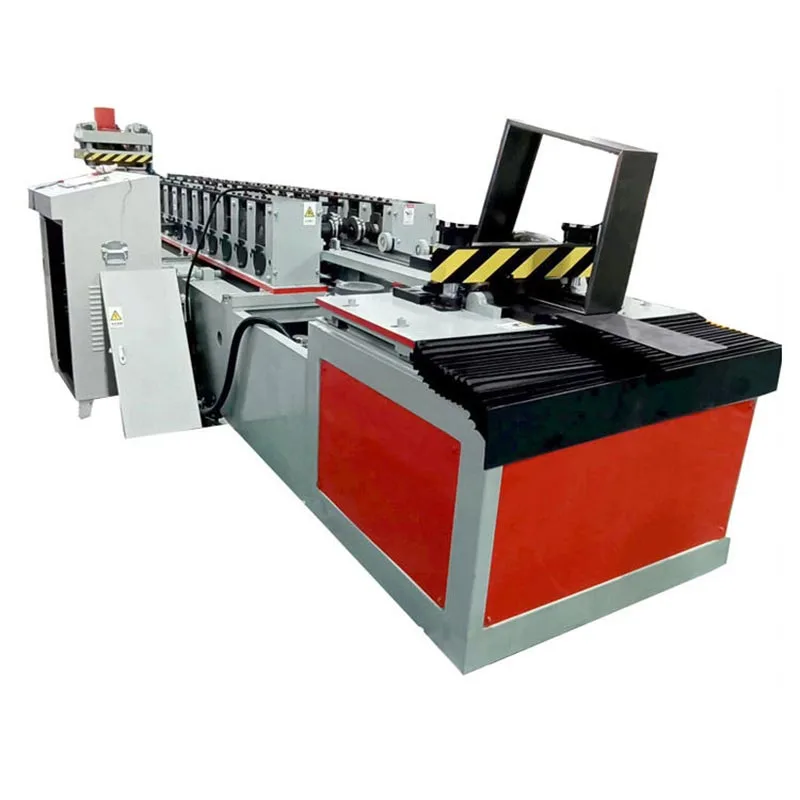
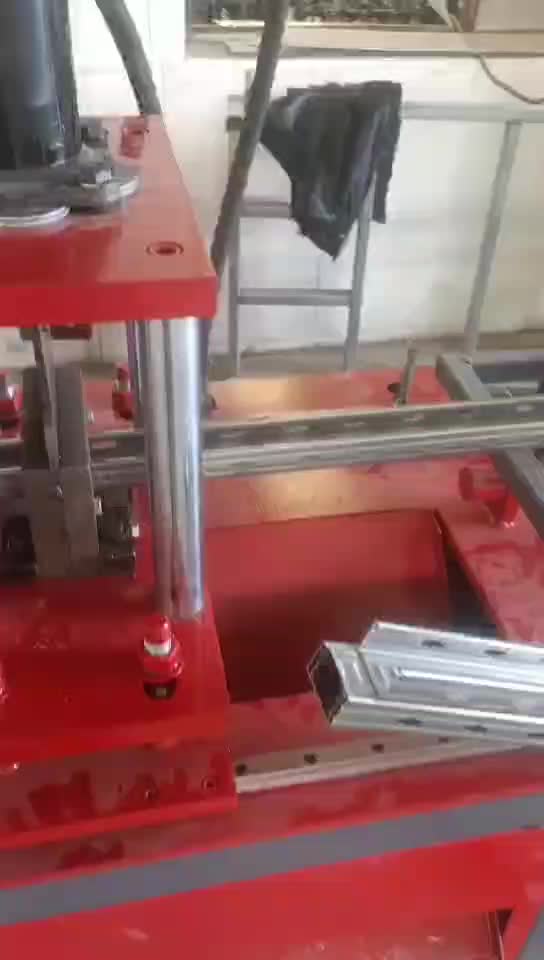
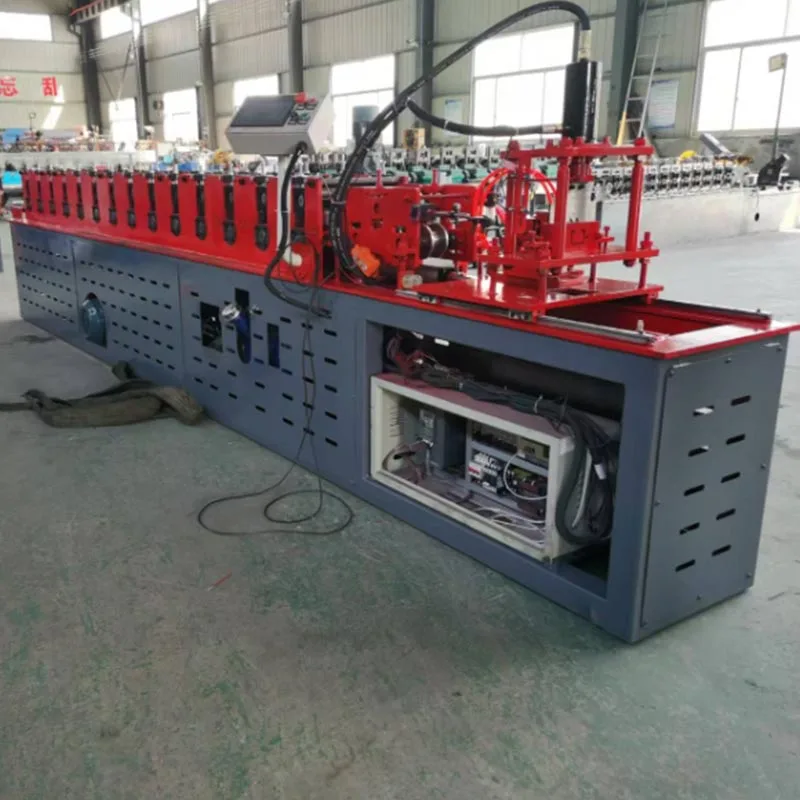
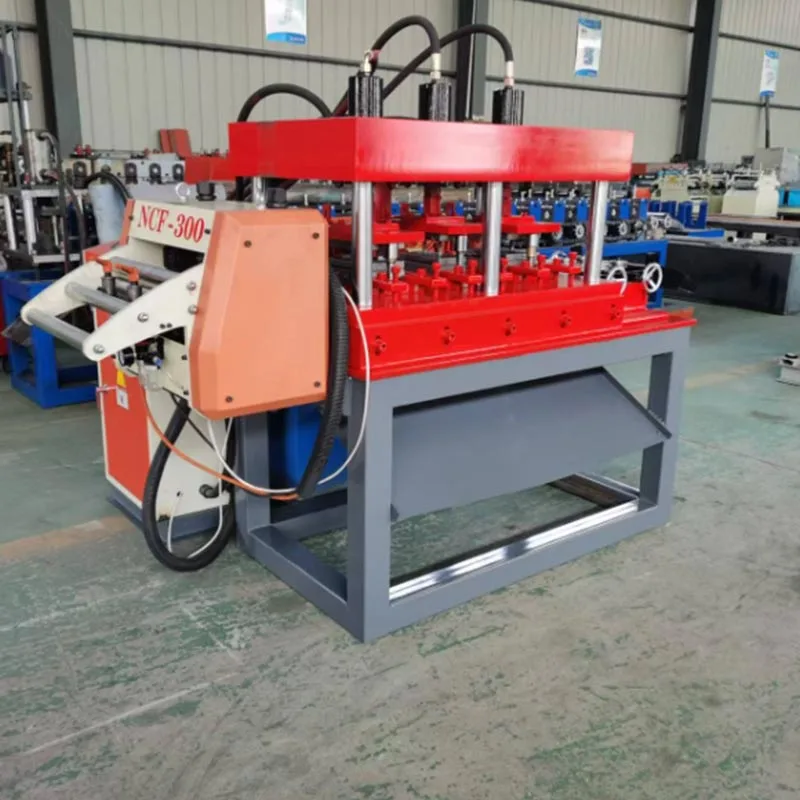
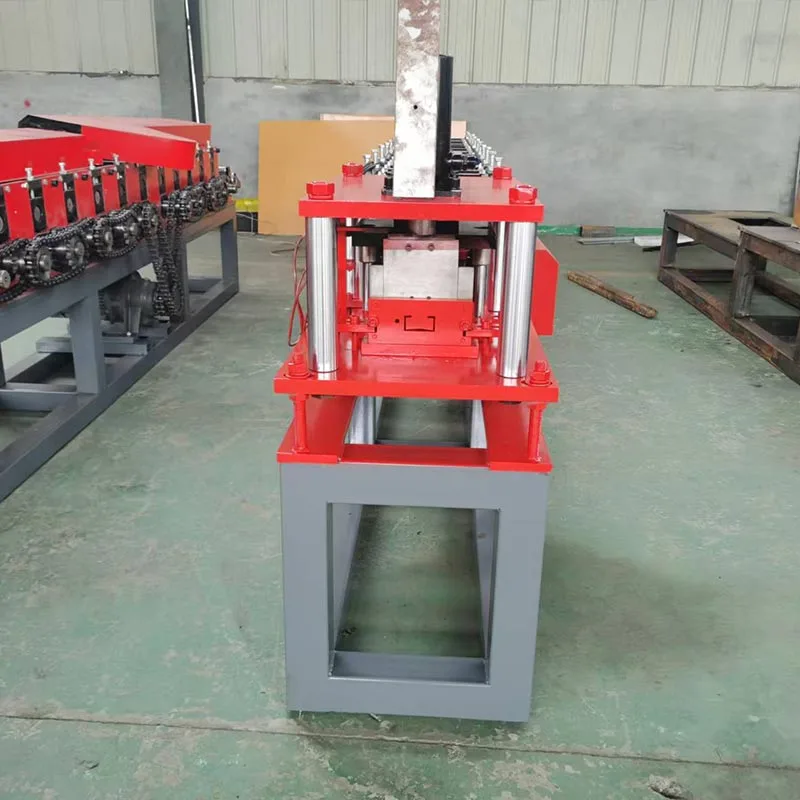
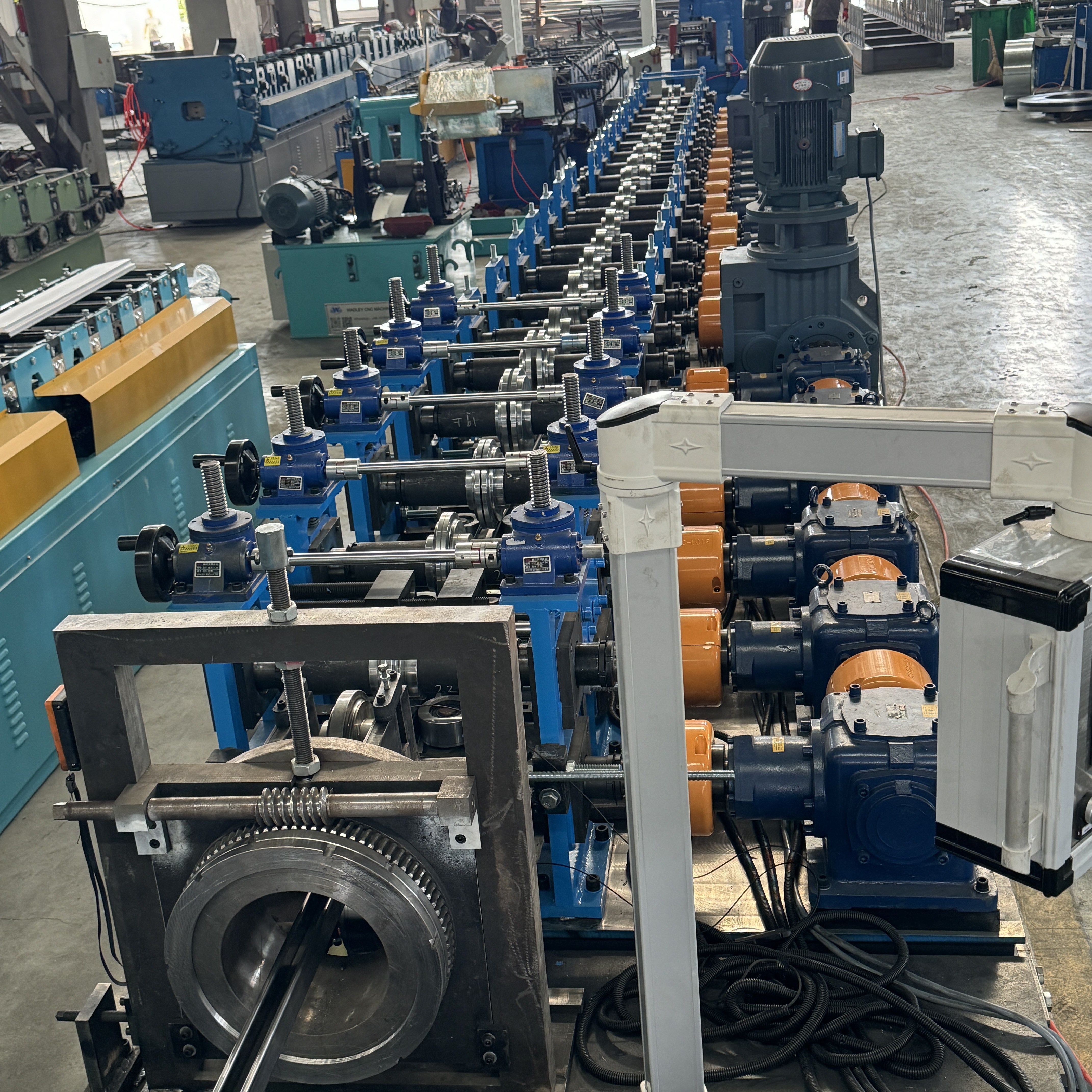
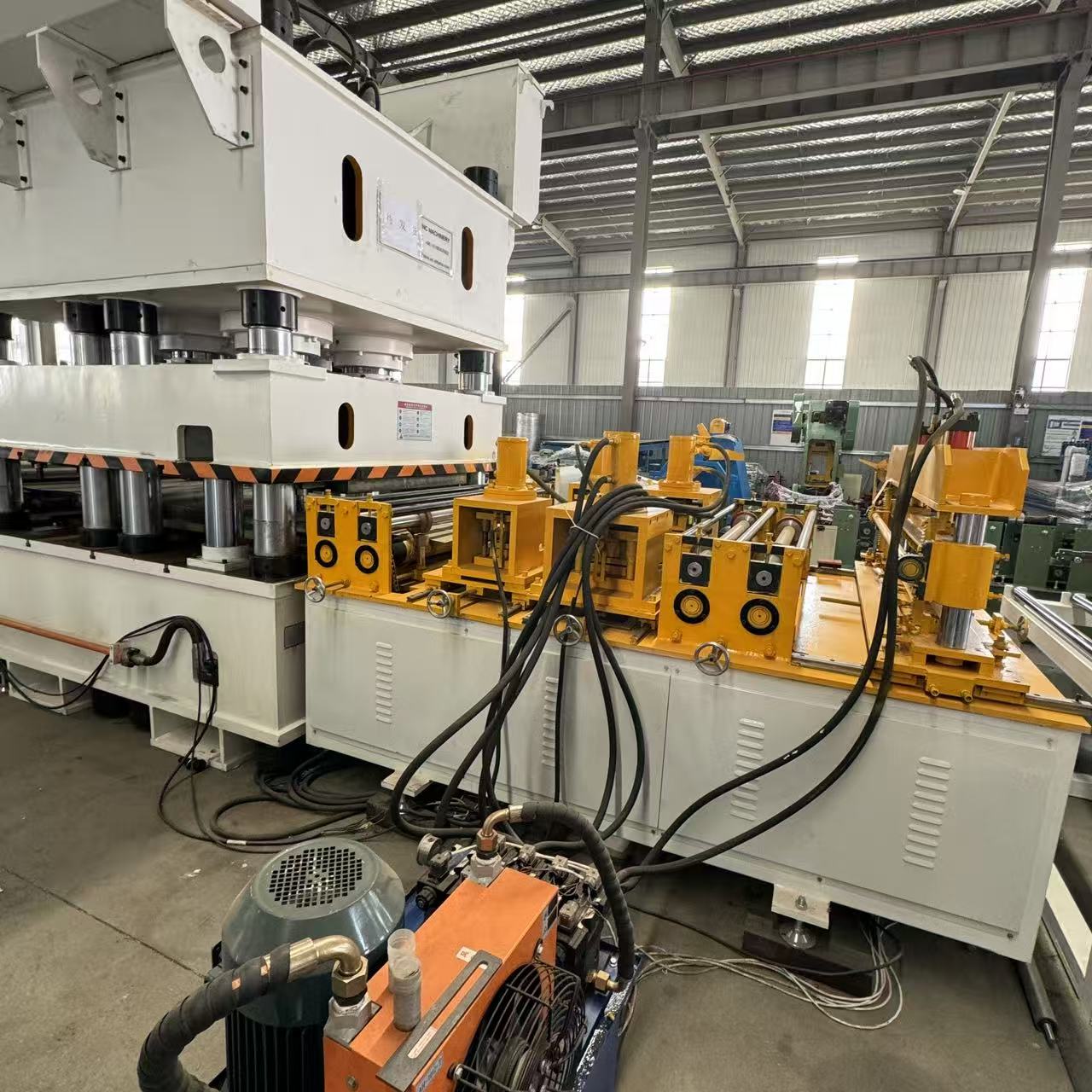
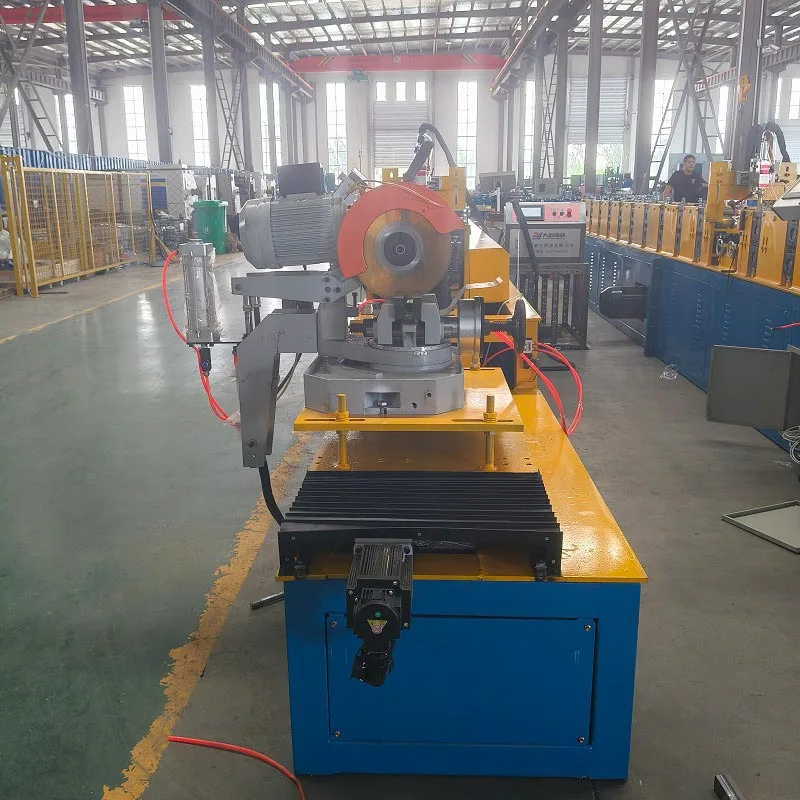
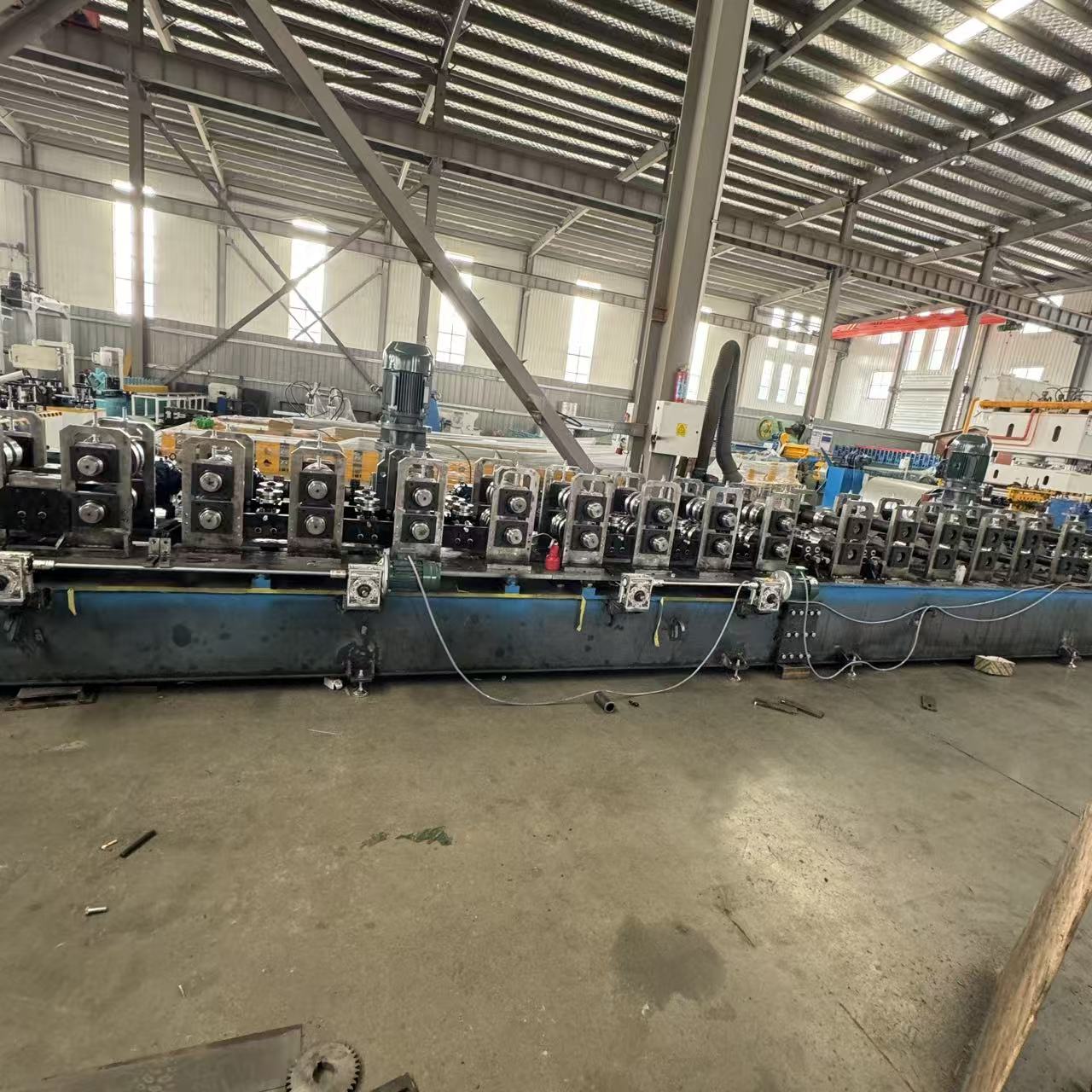
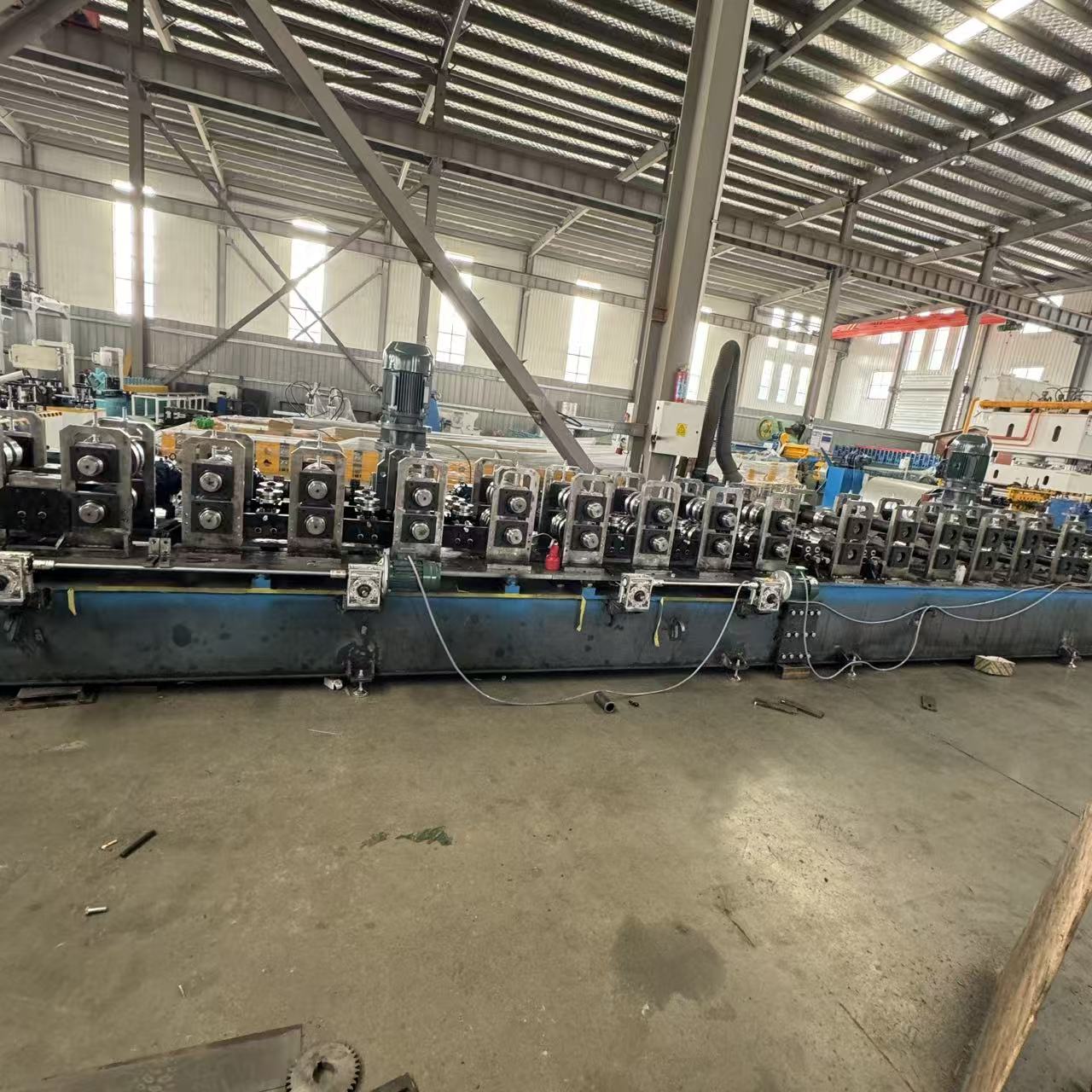
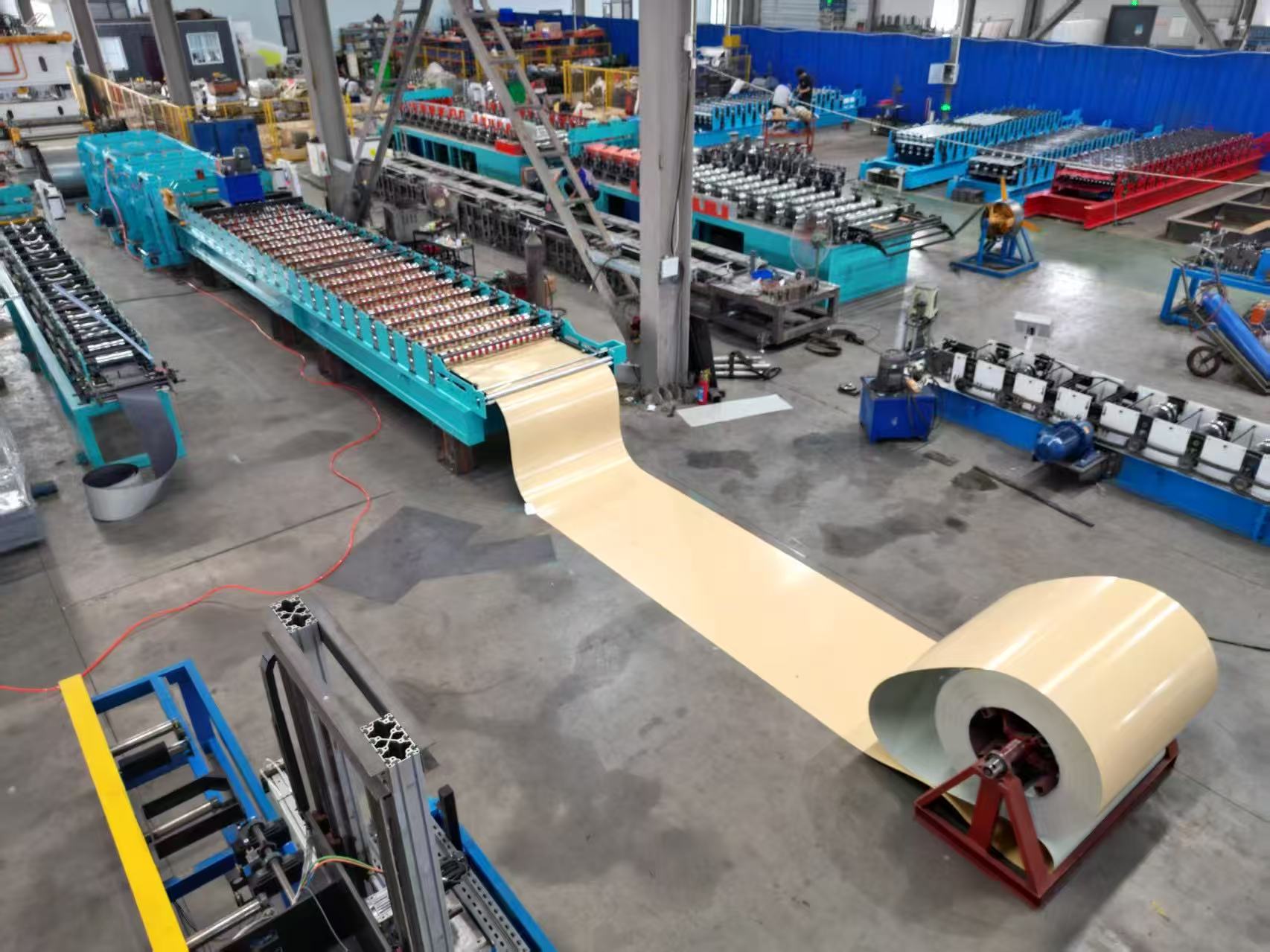
File cabinet column equipment produced by Parfu International Trading Co., Ltd. is specialized industrial machinery. It is designed for metal forming. Tequipment produces the vertical columns for file cabinets. These columns are the main structural components. They provide strength and rigidity to the cabinet.
The production of these columns is a precise process. It requires high levels of automation and accuracy. This File
cabinet column equipment transforms flat metal sheets into strong, uniform profiles. This guide explains the equipment
in detail. It covers its uses, parameters, advantages, and the complete manufacturing process.
Detailed Description
File cabinet column equipmentt is a complete production system. It is not a single machine. It is an integrated line
of machines. They work together in a sequence. The system automates the entire forming process. This starts from a
coil of steel and ends with a finished column.
This machine shapes the metal. Other
essential units support the roll former. These include decoilers, feeding systems, punching stations, and cutting
tools. The entire line is controlled by a central Programmable Logic Controller (PLC). This ensures synchronization
and precision.
Key Components of the System:
Decoiler / Uncoiler: This unit's function is to hold a large coil of sheet metal. It also feeds the material into
the production line. Many of these units include a tension control device.This ensures smooth and consistent
material flow.
Feeding and Leveling Unit: The metal from the coil is curved. This unit flattens the metal. It removes any curls or
imperfections. This prepares the metal for the next stages. Accurate feeding is critical for precision.
Pre-Punching and Notching Station: A hydraulic or servo punching station creates the necessary holes and notches for
screws, locks, or rails. It does this with high speed and accuracy, punching the required patterns into the sheet
metal.
The Roll Forming Machine: This is the heart of the equipment. It uses a series of paired rolls. These are called
roll forming stands. Each stand progressively bends the metal a little more. The metal passes through each stand. It
gradually takes the final U-shaped or complex channel profile of the cabinet column. The rolls are made from
high-grade tool steel. They are durable and precise.
Cutting System (Post-Cut or Pre-Cut): Once the metal is fully formed, it is cut to length. This is typically done
with a flying cut-off system.It moves with the formed profile. It makes a clean cut while the production line runs
non-stop. This guarantees high efficiency.
Output Conveyor and Stacker:Once the columns reach the end of the line, an automatic stacker collects them.It
organizes them into neat piles. This makes them ready for the next assembly stage.
Application and Usage Scenarios
This File cabinet column equipment is designed for manufacturing. It produces components specifically for office and
storage furniture.
Primary Scenarios:
Office Furniture Manufacturing: This is the most common use. It produces columns for
lateral file cabinets, storage cabinets, and lockers. These are standard products in offices worldwide.
Industrial Storage Solutions: Factories and warehouses use heavy-duty storage cabinets. These cabinets also require
strong metal columns. The same equipment can produce them. It can handle thicker gauge metal for increased strength.
Metal Fabrication Shops: Some specialized shops serve multiple industries. They use this versatile equipment. They
can produce custom profiles for various clients. This is beyond just file cabinets.
The equipment is essential for mass production. It is also suitable for batch production runs. It allows
manufacturers to respond quickly to market demand.
Conventional Parameters
The specifications of this File cabinet column equipment can vary. These can vary by manufacturer and product needs.
However, most systems typically work within standard parameters.
Key Technical Parameters:
Material Type: The materials typically used are cold-rolled steel (SPCC), galvanized steel (SGCC), or aluminum.
Material Thickness: Commonly handles metal from 1.0 mm to 2.0 mm. Some heavy-duty models can process up to 3.0 mm.
Column Profile Width: The final formed width of the column. Usually between 50 mm and 150 mm.
Production Line Speed: This is measured in meters per minute. Standard speeds range from 10 to 25 meters per
minute.Production time is determined by the profile's complexity and the number of punching operations.
Forming Stations: The number of roll forming stands. A typical file cabinet column requires 10 to 16 stations. More
complex profiles need more stations.
Main Motor Power: The power driving the roll forming machine. It typically ranges from 7.5 kW to 15 kW.
Control System: A PLC with a Human-Machine Interface (HMI) touchscreen. This allows for easy setup and monitoring.
Punching Force: The capacity of the punching station. It is usually between 20 and 50 tons.
Key Advantages
The advantages are significant. This is compared to using manual work or generic fabrication methods.
Major Advantages:
High Production Efficiency: The system is fully automated. It operates continuously. It produces a finished column
every few seconds. This speed far surpasses manual labor.
Exceptional Consistency and Quality: Every column produced is identical. The roll forming process guarantees perfect
shape and dimensional uniformity, ensuring a higher quality final product.
Reduced Labor Costs: One or two operators can manage the entire production line. The system automates the heavy and
repetitive tasks. This significantly reduces the required workforce.
Minimal Material Waste: The process is highly optimized. The punching and cutting are programmed for maximum
material usage. This reduces scrap and saves money.
Great Flexibility: It can be quickly adjusted. Different column profiles are produced by simply changing the roll
forming tools and the PLC program. This enables manufacturers to offer a variety of products.
Enhanced Worker Safety: Automation reduces the need for workers to handle punching and cutting. This greatly
enhances safety.
Superior Strength of Product: The roll forming process work-hardens the metal along the bends. This results in a
part that is stronger than a simple folded bracket.
Detailed Process Flow
The process transforms a metal coil into a finished column. It is fully automated and seamless.
Step 1: Loading the Material
A large metal coil is loaded onto the decoiler before its free end is fed into the leveler.
Step 2: Flattening and Feeding
The leveling machine flattens the metal. It uses a series of rollers. A feeding mechanism then grips the sheet. It
pushes the metal forward at a steady speed into the next station.
Step 3: Precision Punching
In the punching station, a hydraulic press with custom dies punches all required holes and notches. Every position
is guaranteed by the PLC system.
Step 4: The Roll Forming Process
A flat sheet of metal enters the roll forming machine and passes through multiple stands of rolls. With each stand,
the metal is bent a little more.This progressive shaping gradually forms the 3D column profile.
Step 5: Cutting to Length
The long profile exits the final stand. First, a sensor triggers the flying cut-off system. The cutter clamps onto
the profile. Moving in sync with the material, the cutter executes a clean square cut. It then resets to its
original position.
Step 6: Output and Stacking
The finished column moves down the output conveyor. An automatic stacker collects the columns. It counts them and
forms neat piles. The operator then removes the stacks. They are ready for the next stage, typically welding or
final assembly.
The File cabinet column equipment showcases modern industrial engineering. It perfectly combines mechanical design with
electronic control. This equipment is the backbone of efficient furniture production. It delivers high speed,
extreme precision, and excellent cost-effectiveness.
Investing in this technology is a strategic decision for manufacturers. It directly boosts production capacity and
product quality. It strengthens market competitiveness. This automation allows businesses to scale efficiently. It
helps them reliably meet global market demand.
Send an inquiry to Parfu to obtain pricing and project information for Roll Forming Machines, Sandwich Panel Machines, Roll Forming Machine Accessories. We guarantee a response within 24 hours.
We use cookies to offer you a better browsing experience, analyze site traffic and personalize content. By using this site, you agree to our use of cookies. Privacy Policy