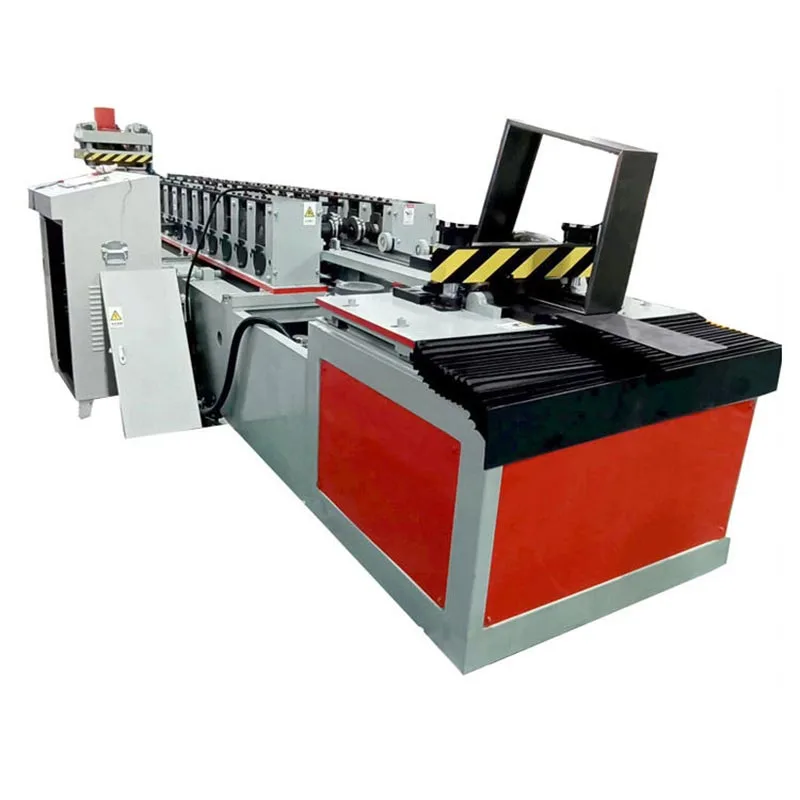
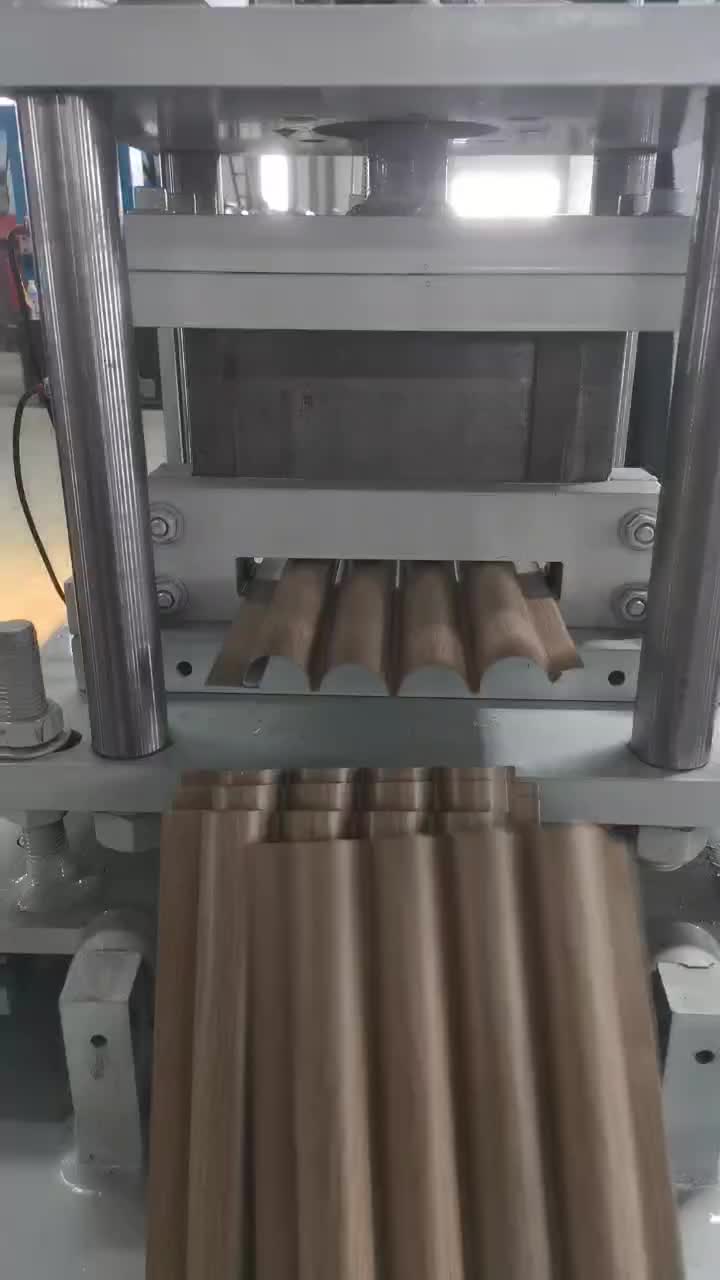
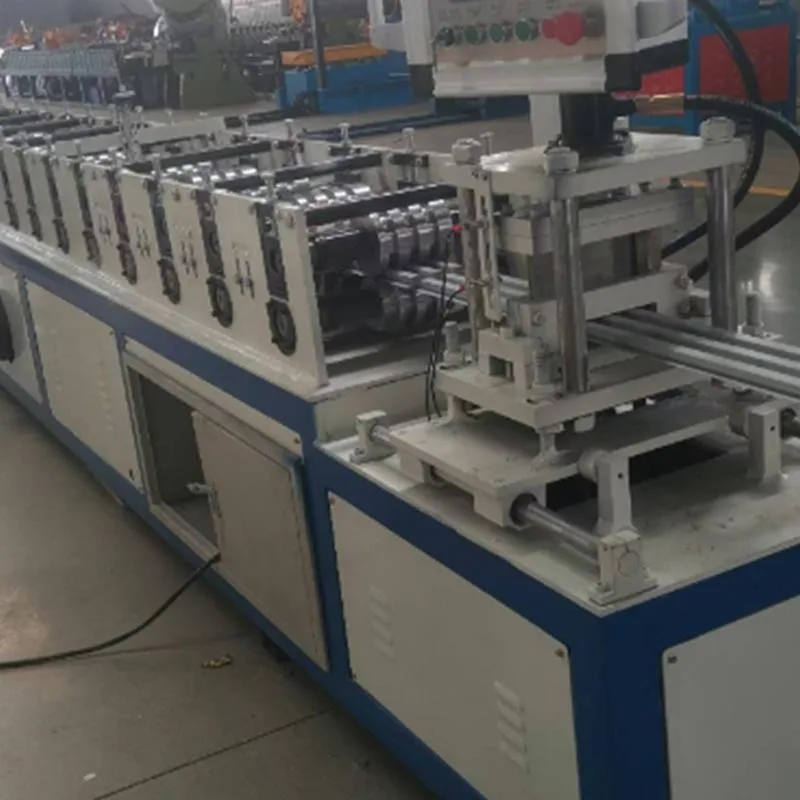
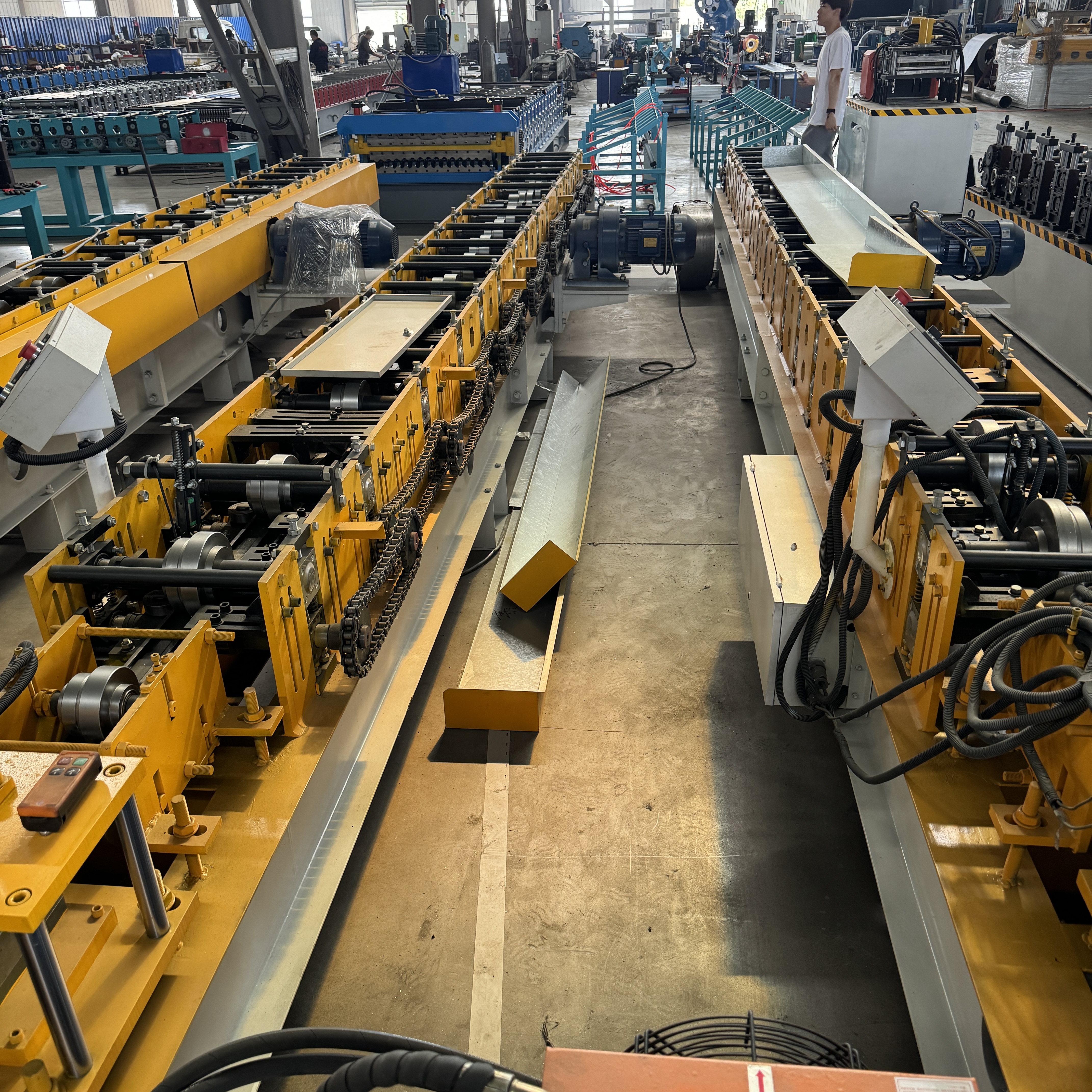
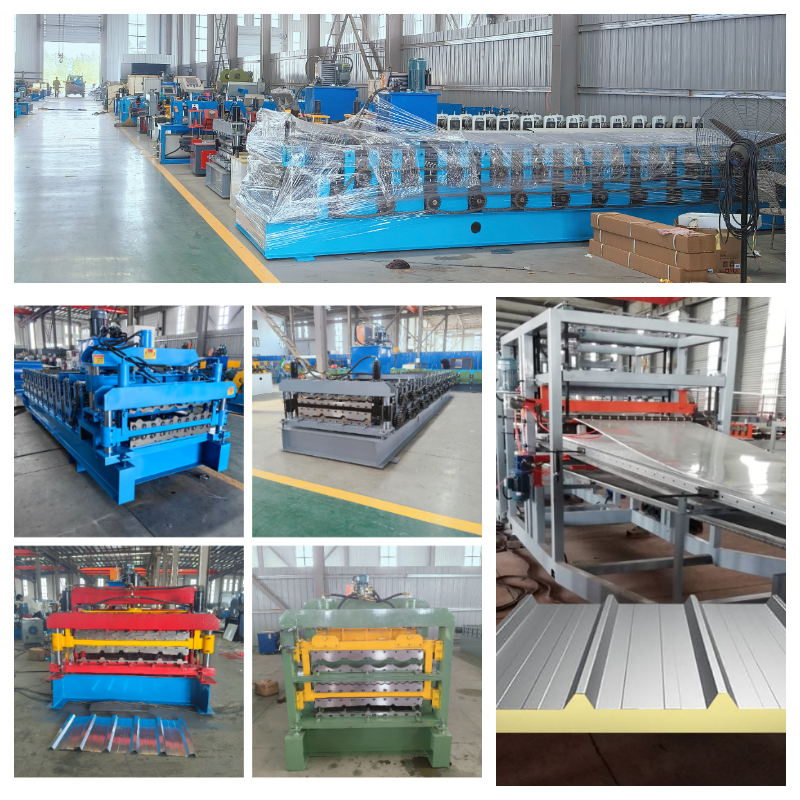
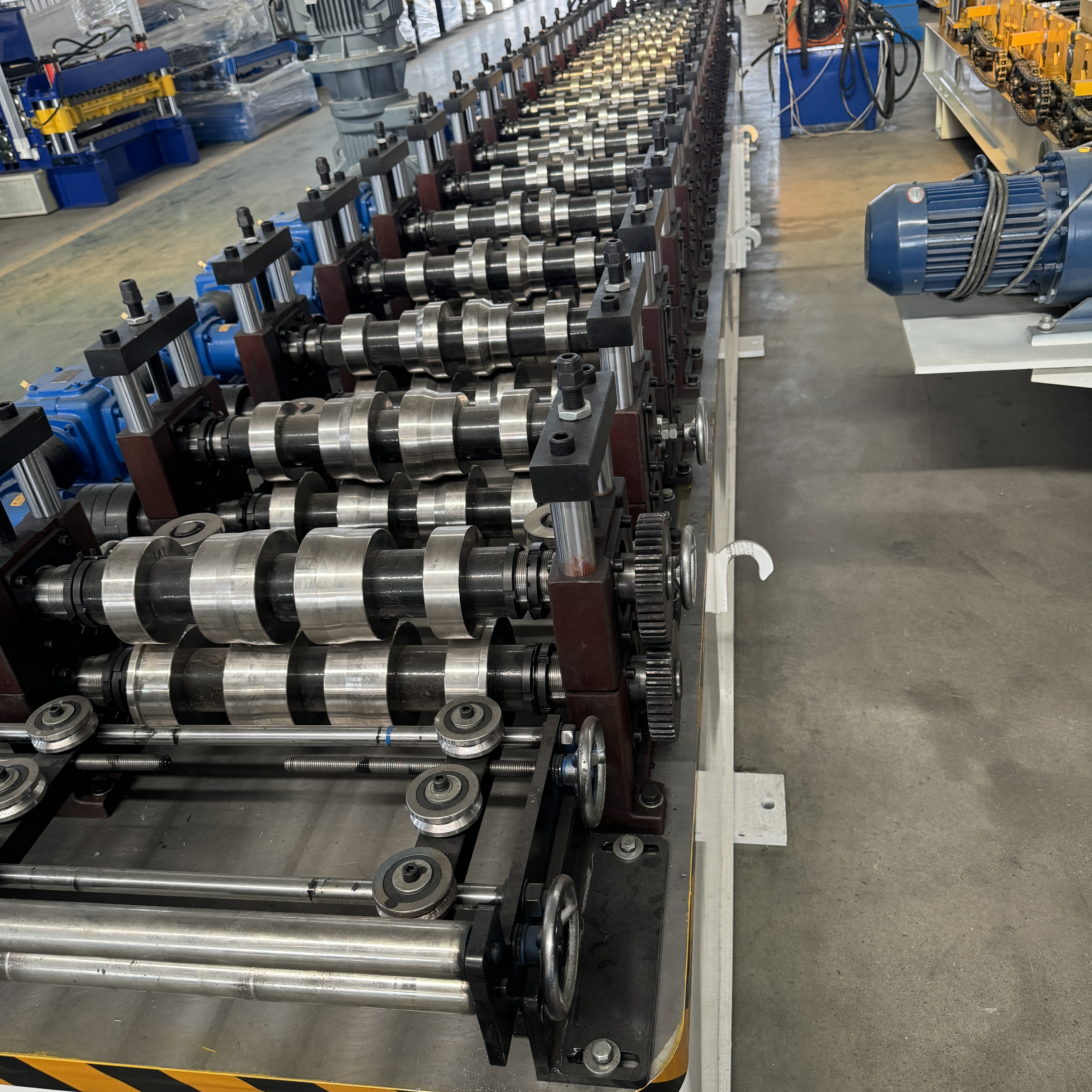
A Slow Gusset Plate Cold Roll Forming Machine produced by Parfu International Trading Co., Ltd. is a specialized piece of industrial equipment. It is designed to produce building components. These components are known as gusset plates. They are also called "Great Wall Panels." This name comes from their interlocking profile. It resembles the battlements of the Great Wall of China.
This Slow Gusset Plate Cold Roll Forming Machine transforms flat steel coils or sheets. It forms them into precise,
continuous profiles. This is done through a cold-forming process. The "slow" in its name refers to its operational
speed. It is engineered for precision and control. It is not for high-volume, mass production. It is perfect for custom
projects, complex profiles, and on-site manufacturing.
The process of Machine is methodical. A strip of metal passes through a series of
rolling stations. Each station incrementally bends the metal. No heat is applied. This makes it a cold-rolling process.
The final product is a strong, durable panel. It is ready for use in construction.
Key Advantages
The Slow Gusset Plate Cold Roll Forming Machine offers many benefits. These make it a valuable asset in modern
construction and manufacturing.
High Precision and Consistency: The slow speed allows for meticulous control. Each roll station makes a small,
accurate bend. This results in a final product with very tight tolerances. Every panel is identical. This ensures
perfect fit and alignment during installation.
Material Integrity: The cold roll forming process does not use heat. This method does not alter the steel's
metallurgical properties. The material retains its full strength. Its durability is also preserved. It will not
warp. It will not weaken, even under high temperatures.
Versatility in Production: These machines are highly adaptable, allowing operators to quickly switch between
profiles, sizes, and thicknesses by changing the roll sets—making them perfect for custom orders and short
production runs.
Strength and Structural Integrity: The formed profile is not just a shape. It is an engineered component. The
cold-working process can increase the yield strength of the material. This is called work hardening. The resulting
panel has excellent load-bearing capacity. It is resistant to bending and buckling.
Low Waste and Cost-Effective: The process is highly efficient. It uses a continuous coil of steel. Scrap material is
minimized. This reduces material costs. The slow operation also reduces the chance of errors. This prevents waste
from misfabricated panels.
Ease of Installation: The interlocking design of the gusset plates is key. It allows for quick and simple assembly
on-site. Panels snap or slide together. This reduces labor time and costs. It also creates a seamless and robust
structure.
Operator Safety and Simplicity: Slow-speed machines are safer. This allows operators to watch the process closely
and address any issues immediately. All this is managed through simple, user-friendly controls.
Typical Applications and Use Cases
The Slow Gusset Plate Cold Roll Forming Machine is versatile. Its primary use is in the construction industry. It is
also used in other sectors.
Prefabricated Buildings: This is the most common application. The panels are used for walls and roofs. They are used
in warehouses, factories, workshops, and agricultural buildings. They offer a fast and strong enclosure solution.
Modular Construction: The precision of these machines is essential for modular construction. These units are built
in a factory and assembled on-site. Consistent panel dimensions are critical, ensuring all modules fit together
perfectly.
Clean Rooms and Controlled Environments: The panels create smooth, seamless surfaces. These surfaces are easy to
clean. They do not trap dust or contaminants. They are ideal for pharmaceutical labs, food processing plants, and
electronic manufacturing facilities.
Cold Storage Facilities: The panels provide excellent structural strength. They can be filled with insulation
materials. This creates highly efficient walls for freezers and cold storage warehouses.
Interior Partitions and Decoration: The aesthetic appeal of the Great Wall profile is also utilized. It is used for
interior walls, partitions, and decorative features in commercial buildings.
Shipping Container Modifications: The panels are used to modify or build shipping container structures. They are
used for adding sidewalls or extending roofs.
What is the operational process?
The working cycle of a Slow Gusset Plate Cold Roll Forming Machine is a straightforward, linear process. It consists
of several defined stages.
Step 1: Loading the Coil
The process starts by mounting a steel coil onto the uncoiler. This is the first step.This stand holds the heavy
coil. It allows it to unwind smoothly and consistently.
Step 2: Straightening and Feeding
The steel strip from the coil is often curved. It passes through a leveling unit. This unit has a series of rolls.
This step is critical: they straighten the coil to remove all curls and bends. The result is perfectly flat metal,
ready for the forming section.
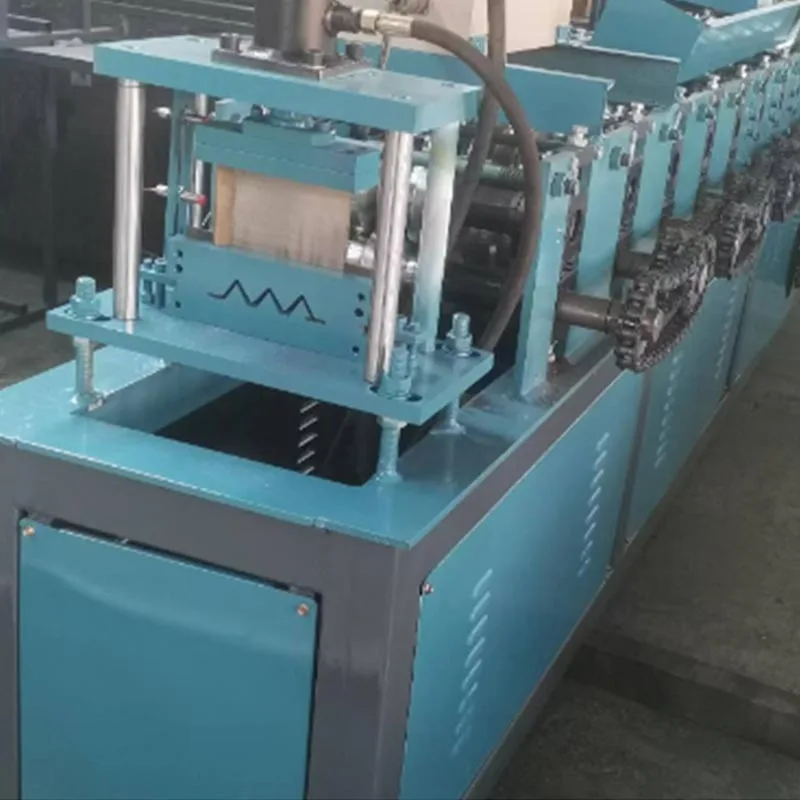
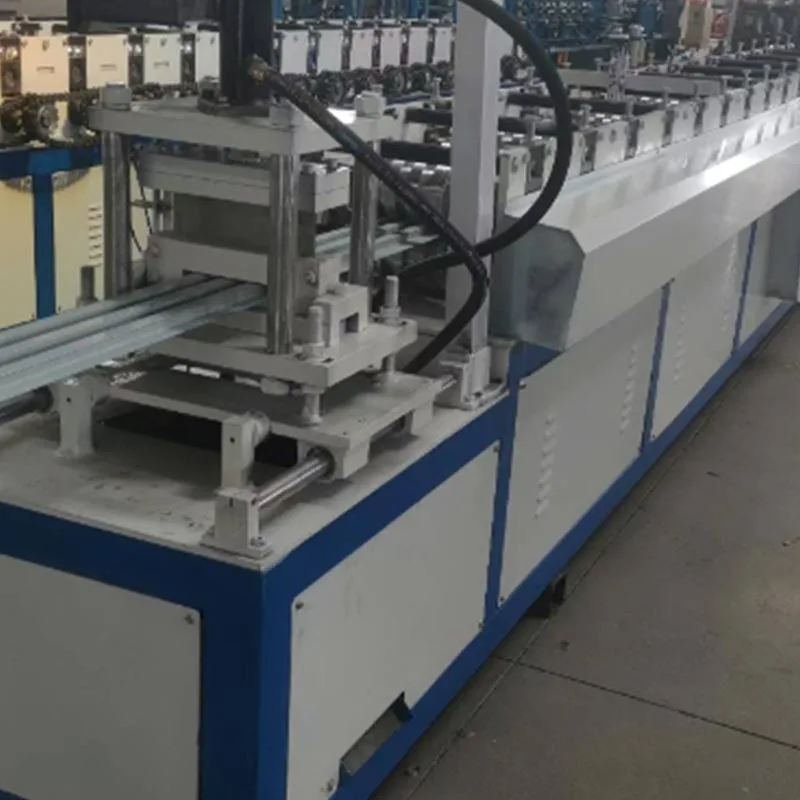
Step 3: The Roll Forming Station
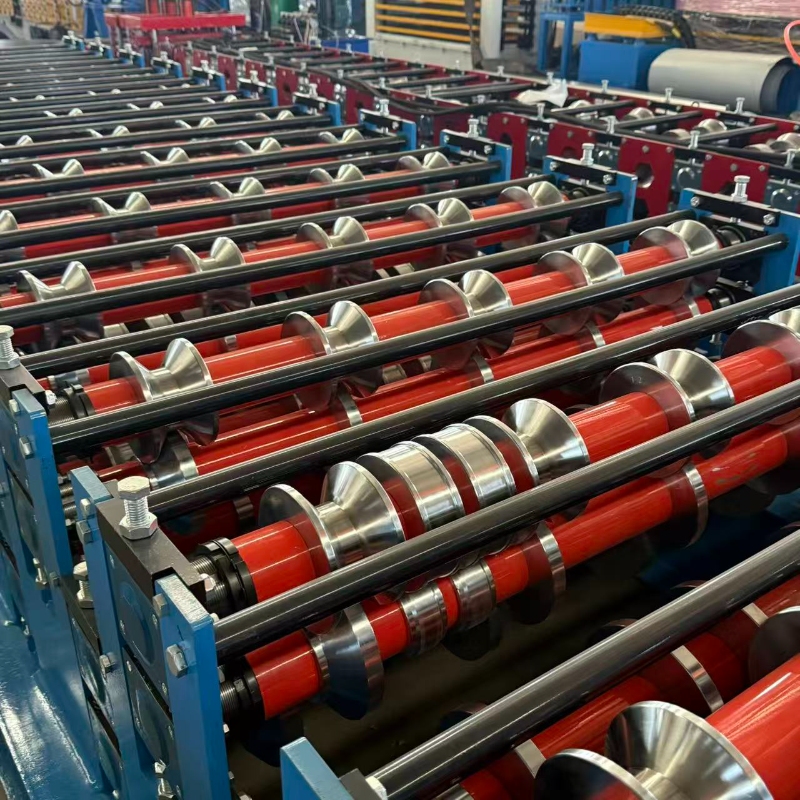
This is the heart of the machine. The flat strip enters a series of paired rolls. These are the forming rolls. Each
set of rolls is mounted on a station. Each station makes a small, precise bend in the metal. The profile is formed
gradually over multiple stations. This prevents material stress and ensures a perfect shape. The "slow" speed is
crucial here for accuracy.
Step 4: Punching and Cutting (Optional but Common)
Many gusset plates require holes for fasteners. This allows for secure assembly and connection. An in-line punching
unit is often integrated. It punches holes at precise intervals. After punching, the continuous formed profile moves
to the cutting unit. A flying cut-off system is used. It cuts the profile to the required length. The cutter moves
with the material. It makes a clean, square cut without stopping the production line.
Step 5: Output and Stacking
The finished, cut-to-length gusset panels exit the machine. The panels move to an output table. There, an automatic
stacker neatly stacks them. This final step prepares the entire batch for bundling and shipping.
Conventional Technical Parameters
The specifications of these Slow Gusset Plate Cold Roll Forming Machines can vary. They are customized based on customer
needs. The following are common, standard parameters.
Parameter Category
Description / Typical Range
Machine Type
Slow Speed, Cold Roll Forming
Forming Stations
18 to 28 stations (or more for complex profiles)
Driving Power
15 kW to 30 kW (depending on material thickness and machine size)
Roller Material
High-Carbon Chrome Steel (GCr15). Often hardened to HRC 58-62.
Shaft Material
High-Strength Alloy Steel (e.g., 40Cr). Heat-treated for durability.
Main Frame Structure
Robust welded steel plates. Designed for high stability and minimal vibration.
Control System
Programmable Logic Controller (PLC) with Human-Machine Interface (HMI) touch screen.
Thickness of Material
Can form steel from 1.5 mm to 3.0 mm (0.06 inches to 0.12 inches).
Material Width
Accepts coil widths from 200 mm to 1000 mm (8 inches to 40 inches).
Production Speed
5 to 15 meters per minute (16 to 49 feet per minute). This is the "slow" characteristic.
Cut-off Length
Programmable. Typically from 1 meter to 12 meters (3 feet to 40 feet).
Cut-off Accuracy
Very high. Usually within ±0.5 mm to ±1.0 mm.
Punching Capacity
Can be integrated for punching holes, notches, or embossing.
Core Components and Their Functions
It is important to understand the Slow Gusset Plate Cold Roll Forming Machine's main parts.
Uncoiler
This unit holds the coil of raw material. It feeds the strip steadily into the machine.
Entry Guide
Its job is to guide the flat metal strip. It positions the strip accurately into the first forming station.
Forming Rollers & Stands
These parts gradually shape the metal. They are built from hardened steel for a long service life.
Main Drive System
This system provides power. It includes an electric motor, a gearbox, and drive shafts. It supplies power to every
forming station.
Punching Unit
This is a hydraulic or mechanical press. It creates holes in the panel as needed.
Flying Cut-off System
This mechanism cuts the panels. It works in sync with the moving line. A hydraulic or servo motor allows it to cut
without stopping production.
PLC Control Cabinet
This is the machine's brain. It controls the operating speed, the cutting length, and the punching sequences.
Output Conveyor & Stacker
The conveyor moves the finished panels to the stacker for neat piling.
By transforming simple steel coils into high-strength, interlocking panels, the Slow Gusset Plate Cold Roll Forming
Machine embodies precision engineering excellence. Its controlled speed guarantees precision and uniformity in every
panel. This machine is essential for modern, efficient construction projects. It offers a solution that is durable,
reliable, and cost-effective. It serves a wide range of sectors, from warehouses to clean rooms, forming a critical
structural framework for diverse built environments.
Send an inquiry to Parfu to obtain pricing and project information for Roll Forming Machines, Sandwich Panel Machines, Roll Forming Machine Accessories. We guarantee a response within 24 hours.
We use cookies to offer you a better browsing experience, analyze site traffic and personalize content. By using this site, you agree to our use of cookies. Privacy Policy